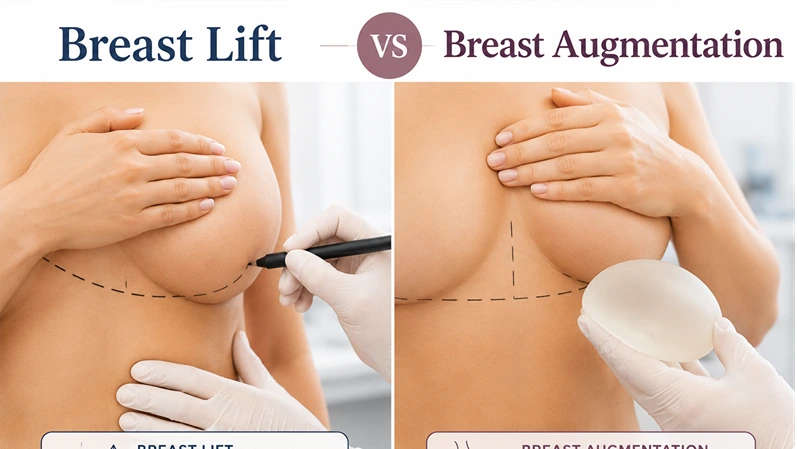
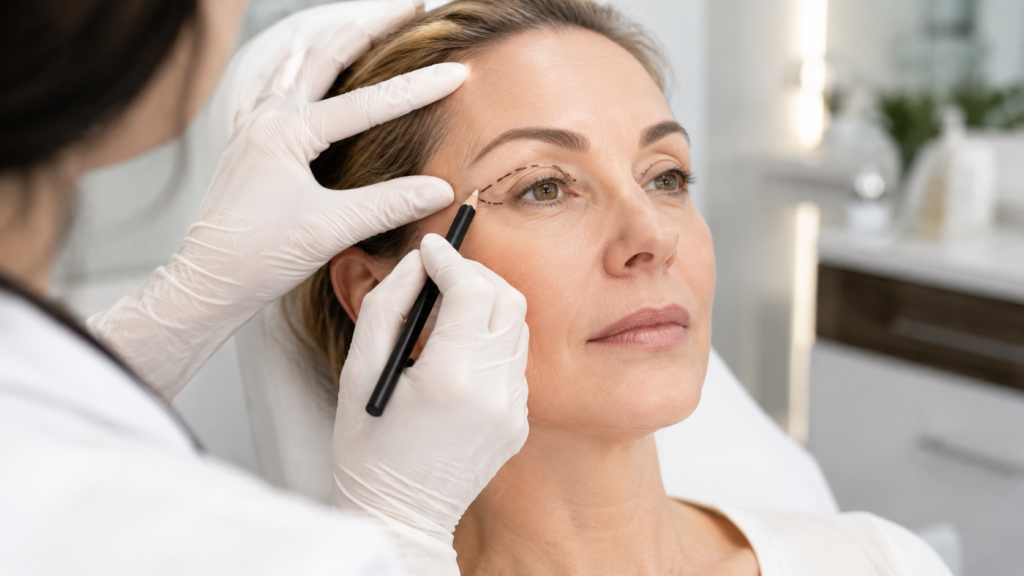
Feeling anxious about an upcoming procedure is natural, but understanding how to prepare for plastic surgery gives you control and confidence. Proper planning starts weeks before your operation and continues through your recovery. This guide provides a plastic surgery preparation checklist, covering pre-op steps, home preparation, mental readiness, and recovery strategies to ensure the best outcomes.
Preparation involves more than scheduling surgery—it includes optimizing your health, arranging your home, planning nutrition, and preparing emotionally. Following this guide helps reduce complications, shorten recovery time, and give you peace of mind.
Learning how to prepare for plastic surgery involves medical, physical, home, and mental preparation. By following a structured pre-op plastic surgery checklist and a plastic surgery recovery checklist, patients can reduce risk, feel in control, and recover smoothly.
Essential Steps to Prepare for Plastic Surgery
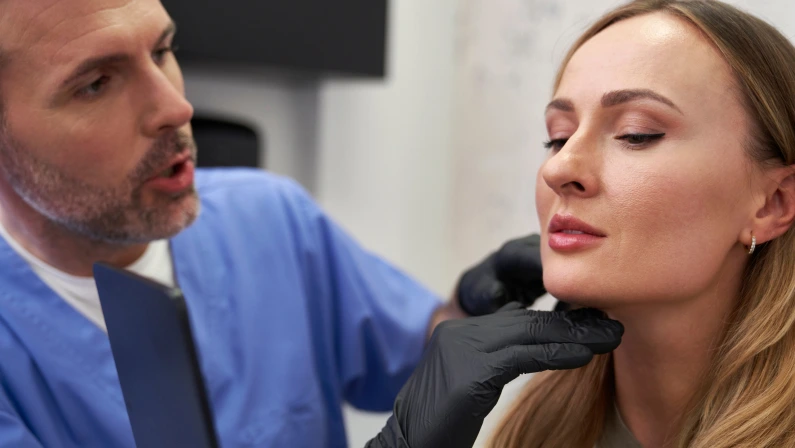
Preparation starts 6–8 weeks before your procedure and continues until the day of surgery. By dividing tasks into manageable stages, you can systematically address every requirement.
- Timeline Overview: Begin 6–8 weeks before surgery and finish with the final day-of checklist. Preparation stages include early medical optimization, mid-stage physical conditioning, home setup, and mental readiness.
- Four Pillar Categories:
- Medical – surgeon selection, lab work, plastic surgery pre-op checklist medications
- Physical – exercise, nutrition, smoking cessation, how to prepare your body for plastic surgery
- Home – recovery area setup, meal prep, supplies shopping, what to buy before plastic surgery
- Mental – anxiety management, expectation setting, how to mentally prepare for plastic surgery
- Why Preparation Matters: Studies show structured prehab can reduce post-surgical complications by up to 40%. Patients who follow a detailed plan are more confident, recover faster, and experience fewer setbacks.
Key Takeaways
- Stop smoking at least 4–6 weeks before surgery.
- Follow your surgeon’s pre-op plastic surgery checklist medications exactly.
- Create a comfortable recovery space at home with plastic surgery recovery preparation supplies.
- Eat a nutrient-rich diet and hydrate well. (what to eat before plastic surgery)
- Begin prehabilitation exercise (how to prepare your body for plastic surgery).
- Prepare meals and buy recovery items in advance (what to buy before plastic surgery).
- Mentally prepare using education and support (how to mentally prepare for plastic surgery).
- Confirm transportation and caregiver support for the day of surgery.
6–8 Weeks Before Surgery: Medical and Lifestyle Foundations
This initial preparation phase is crucial for how to get ready for cosmetic surgery. Focus on medical clearance, early fitness, and lifestyle changes. This stage ensures your body and mind are primed for a smooth procedure.
Choose Your Board-Certified Plastic Surgeon
Selecting a board-certified plastic surgeon like Dr. Bret Johnson is essential. Look for certification by the American Board of Plastic Surgery (ABPS), which is the top qualification indicator according to ASPS data. During consultation:
- Discuss your goals clearly.
- Review your complete medical history.
- Understand procedure risks and benefits.
- Examine before-and-after photos of similar procedures.
- Receive a clear cost breakdown and scheduling plan.
Choosing the right surgeon reduces complication risks and enhances your satisfaction with results.
Complete Medical Clearances and Lab Work
Your surgeon will provide a pre-op plastic surgery checklist of required medical evaluations.
Typical requirements include:
- Physical examination to assess overall health.
- Blood work to ensure proper clotting and organ function.
- EKG for patients over 50 or with cardiac conditions.
- Clearance from your primary care physician.
- Specialist clearances if you have underlying conditions (e.g., cardiologist, pulmonologist).
Some procedures may require additional assessments, such as imaging or allergy tests, to confirm suitability for surgery.
Begin Smoking Cessation (Critical)
Smoking significantly impairs blood flow and tissue oxygenation, increasing complication risk by 200–400%. Nicotine, including vaping and patches, must be stopped at least 4–6 weeks before surgery and continued during recovery. Early cessation improves wound healing, reduces infection risk, and supports faster recovery.
2–4 Weeks Before Surgery: Physical Preparation and Home Setup
During this phase, focus shifts to physical conditioning, home readiness, and lifestyle optimization. This ensures your body is prepared and your environment supports recovery.
Adjust Medications and Supplements
Follow your surgeon’s instructions for stopping certain medications that can increase bleeding or interfere with anesthesia:
- Blood thinners: aspirin, ibuprofen, Plavix.
- Supplements: vitamin E, fish oil, ginkgo biloba, St. John’s Wort.
- Exceptions: Do NOT stop critical medications without physician clearance.
Document all medications and supplements, then follow the exact plastic surgery pre-op checklist medications provided by your surgeon.
Optimize Nutrition and Hydration
A strong immune system is vital for healing.
Focus on:
- High-protein foods to support wound repair.
- Fruits and vegetables for vitamins and minerals.
- Hydration: 2–3 liters of water daily.
- Avoid alcohol at least 48 hours before surgery.
- Reduce sodium to minimize swelling post-op.
Proper nutrition ensures your body is strong enough to recover quickly.
Start Prehabilitation (Prehab) Exercise
Prehabilitation or prehab prepares your body physically.
Recommended activities include:
- 150 minutes of aerobic exercise per week (walking, jogging, stair climbing).
- Strength and flexibility exercises to maintain baseline fitness.
Research shows prehab can reduce complication risk by 40% and improve cardiovascular and respiratory health.
Set Up Your Home Recovery Area
Prepare a comfortable space for post-op recovery:
- Choose a room near a bathroom with a comfortable bed or recliner.
- Ensure head elevation capability for swelling management.
- Assemble supplies within reach: medications, ice packs, water, entertainment.
- Reduce obstacles such as stairs and clutter for safe movement.
A well-prepared space minimizes stress and promotes healing.
1 Week Before Surgery: Final Preparations and Shopping
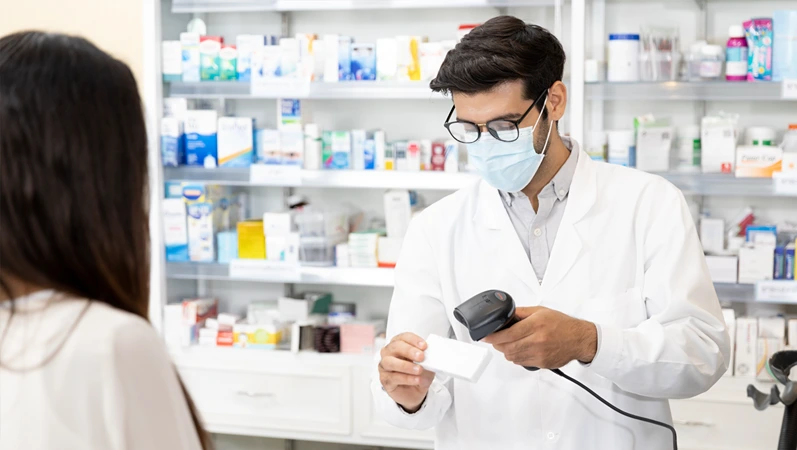
The final pre-op week ensures you have everything in place for a smooth procedure and recovery.
Fill Prescriptions and Buy Recovery Supplies
Create a shopping list for essential items:
- Medications: pain relievers, anti-nausea, antibiotics, stool softeners.
- Wound care: sterile gauze, medical tape, antibacterial soap.
- Ice therapy: reusable gel packs, soft towels.
- Compression garments: surgical bras, abdominal binders.
- Comfort items: button-front shirts, slip-on shoes, neck pillows.
- Nutrition: high-protein easy meals, water, electrolyte drinks.
- Entertainment: books, tablets, chargers.
Having all supplies ready prevents last-minute stress.
Prepare and Freeze Meals
Stock your kitchen with easy-to-reheat meals for the first week post-surgery:
- High-protein soups and casseroles.
- Smoothie packs for quick nutrition.
- Low-sodium, freezer-friendly meals.
Meal prep ensures you avoid heavy cooking during recovery and maintain optimal nutrition.
Day Before and Day Of Surgery: Final Checklist
The last 48 hours are critical for safety and peace of mind.
The Night Before Surgery
- Shower with antibacterial soap.
- Wash hair and remove nail polish.
- Begin fasting (nothing after midnight: food, water, gum, mints).
- Lay out comfortable clothing.
- Confirm transportation and caregiver support.
The Morning of Surgery
- Do not eat or drink.
- Brush teeth without swallowing water.
- Avoid lotions, creams, perfume, or makeup.
- Wear comfortable, loose clothing.
- Arrive 1–2 hours early with ID, insurance cards, and signed forms.
Following these instructions prevents anesthesia complications and ensures readiness.
Table 1: Complete Plastic Surgery Preparation Timeline
| Timeline | Action Items | Why It Matters |
| 6–8 Weeks Before | Choose board-certified surgeon, complete consultation, medical clearances, START smoking cessation, begin prehab exercise | Allows time for proper surgeon vetting, medical optimization, lifestyle changes |
| 2–4 Weeks Before | Stop blood thinners + supplements, optimize nutrition, continue prehab, set up recovery area, arrange caregiver | Reduces bleeding risk, builds physical reserves, ensures logistical readiness |
| 1 Week Before | Fill prescriptions, buy supplies, prepare/freeze meals, confirm caregiver, attend final pre-op appointment | Ensures all supplies ready, eliminates last-minute stress |
| Night Before | Antibacterial shower, remove polish/makeup, begin fasting after midnight, lay out clothes, confirm ride | Reduces infection risk, prevents anesthesia complications |
| Morning Of | No food/drink, brush teeth (don’t swallow), no lotions/makeup, wear comfortable clothes, arrive early | Patient safety — fasting prevents aspiration during anesthesia |
| Day Of Surgery | Follow post-op instructions, rest, elevate head, take medications as directed, stay hydrated | Proper immediate post-op care sets foundation for recovery |
Table 2: Plastic Surgery Recovery Supplies Shopping List
| Category | Items to Purchase | Quantity/Notes |
| Medications | Prescriptions filled (pain, anti-nausea, antibiotics), stool softeners, throat lozenges | Fill 3–5 days before surgery; have ready at home |
| Wound Care | Sterile gauze pads, medical tape, antibacterial soap, hydrogen peroxide or saline | Surgeon will specify wound care protocol |
| Ice Therapy | Reusable gel ice packs, soft towels for wrapping packs | 4–6 gel packs (rotate while others freeze) |
| Compression Garments | Surgical bra, compression vest, abdominal binder (as prescribed) | Buy correct size specified by surgeon |
| Comfort Items | Button-front shirts, slip-on shoes, neck pillow, extra pillows for elevation | Avoid pullover clothing for 1–2 weeks |
| Hygiene | Dry shampoo, facial wipes, chapstick, gentle soap | Showering may be limited initially |
| Nutrition | High-protein foods, easy meals, water, electrolyte drinks, straws | Pre-cook and freeze meals |
| Entertainment | Books, magazines, tablet/laptop, chargers, streaming subscriptions | You’ll be resting extensively first week |
Mental and Emotional Preparation for Plastic Surgery
Mental readiness is often overlooked but essential. Preparing emotionally allows you to manage anxiety, set realistic expectations, and create a supportive environment.
Managing Pre-Surgery Anxiety
Anxiety before surgery is normal.
Manage it by:
- Educating yourself about the procedure.
- Practicing deep breathing and meditation.
- Speaking with friends or family who have had similar procedures.
- Seeking professional counseling if necessary.
How to mentally prepare for plastic surgery ensures emotional resilience and confidence throughout the process.
Preparation is the Foundation of Successful Plastic Surgery

Following a complete plastic surgery preparation checklist can reduce complications by up to 40%, speed recovery, and improve overall satisfaction. Attention to medical, physical, home, and mental readiness gives patients control and peace of mind. For personalized guidance, consult your surgeon. Experts like Dr. Bret Johnson emphasize that proper planning is as critical as the procedure itself. Book a consultation today!
References
- American Society of Plastic Surgeons (ASPS). Board Certification Data.
- U.S. National Library of Medicine. Preoperative Assessment and Patient Optimization.
- Harvard Health Publishing. “Preparing for Surgery: Tips for a Smooth Recovery.”
- Research study: Prehabilitation Reduces Surgical Complications, Journal of Plastic Surgery Research, 2020.
Frequently Asked Questions (FAQs)
What should I do to prepare for plastic surgery?
Start 6–8 weeks before surgery by choosing a board-certified surgeon, completing medical clearances, beginning smoking cessation, and improving your fitness and nutrition. Follow your pre-op plastic surgery checklist for detailed steps.
How do I prepare my home for plastic surgery recovery?
Set up a recovery room with a comfortable bed, pillows for head elevation, easy access to medications and supplies, entertainment options, and minimal stairs or obstacles.
What medications should I stop before plastic surgery?
Stop blood thinners like aspirin, ibuprofen, and Plavix, along with supplements such as vitamin E, fish oil, ginkgo biloba, and St. John’s Wort. Do not stop critical medications without doctor approval.
How long before surgery should I stop smoking?
Stop smoking and nicotine use at least 4–6 weeks before surgery and continue during recovery to reduce complications and support proper healing.
What should I buy before plastic surgery?
Purchase medications, wound care supplies, ice packs, compression garments, comfort items, high-protein meals, hydration options, and entertainment to ensure a smooth recovery.
How do I prepare mentally for plastic surgery?
Educate yourself about the procedure, practice meditation and breathing exercises, speak with experienced peers, and seek professional support if anxiety is significant.