Plastic surgery has become an increasingly popular option for individuals seeking to enhance their appearance, restore confidence, or address specific medical concerns. However, before taking a step toward surgery, one important question arises: How old do you have to be to get plastic surgery? What is the right age to get plastic surgery?
While there is no one-size-fits-all answer, various factors such as legal requirements, health considerations, and the type of procedure play a role in determining the appropriate age for surgery.
What are the legal age requirements for plastic surgery?
The legal age to undergo plastic surgery varies by country, state, and the type of procedure being performed. In the United States, there are generally no federal regulations stipulating a specific minimum age for cosmetic procedures. However, surgeons often have their own policies that reflect both legal and medical standards.
For most cosmetic surgeries, the patient needs to be at least 18 years old. This is the age at which individuals are considered legally able to make decisions for themselves, including medical decisions. As a result, many clinics will not perform cosmetic surgery on anyone under the age of 18 without parental consent.
However, there are exceptions depending on the procedure. For example, some non-invasive treatments like Botox or fillers may be available to individuals who are younger than 18, with parental consent. Always check with a board-certified surgeon to learn about the specific requirements for your desired procedure.
Why does age matter when it comes to plastic surgery?
Age plays a crucial role in determining whether a patient is physically and emotionally ready for plastic surgery.
Here are several reasons why age matters:
Physical Development
The human body continues to grow and change, especially during adolescence. For young patients, many of the physical features that they wish to change—such as breast size or nose shape—may still evolve as they get older. Surgeons typically recommend waiting until the body has finished developing to ensure the results of surgery are long-lasting and appropriate.
Health Considerations
Younger patients may not be as fully developed in terms of their overall health and ability to undergo surgery. Certain health conditions or lack of emotional maturity can make surgery more risky. Surgeons, such as Dr. Bret A. Johnson, assess the patient’s overall health before recommending any procedures.
Emotional Maturity
Plastic surgery is not only a physical procedure; it also has emotional and psychological implications. Younger individuals may not fully understand the permanence of surgery and the recovery process. Ensuring emotional readiness is key to making the right decision.
Informed Decision-Making
Older patients are more likely to have the maturity to understand the risks, benefits, and possible outcomes of their procedure. In contrast, younger patients may need more guidance from parents and professionals before making such an impactful decision.
What is the minimum age for common cosmetic procedures?

At what age can you get plastic surgery? While the minimum age for plastic surgery varies, there are general guidelines for common cosmetic procedures.
Here’s a breakdown of some of the most popular procedures and their typical age requirements:
Rhinoplasty (Nose Job)
Typically, patients must be at least 16 or 17 years old, as the nose may still be growing in younger individuals. Surgeons will assess the development of the nose and facial structure before proceeding.
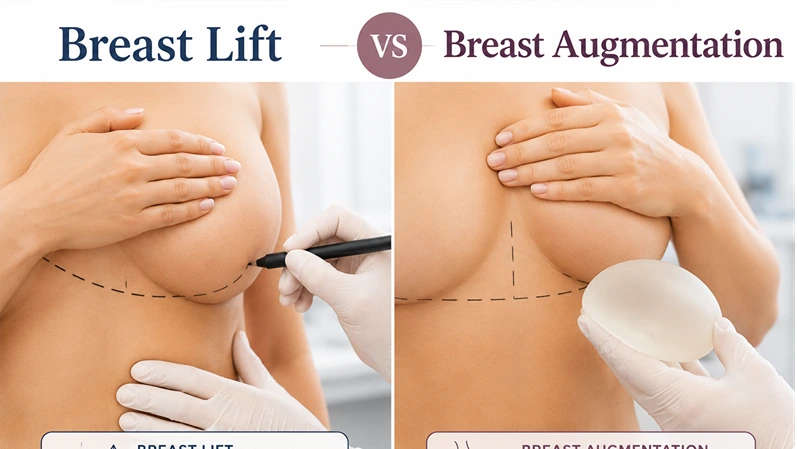
Breast Augmentation or Reduction
These procedures are usually not recommended for individuals under 18, as breast development is still occurring during adolescence. However, in some cases, a surgeon may approve the surgery if the individual has fully developed and has a compelling reason.
Liposuction
Liposuction is generally reserved for adults over the age of 18. Patients need to have reached a stable weight and have sufficient skin elasticity for optimal results.
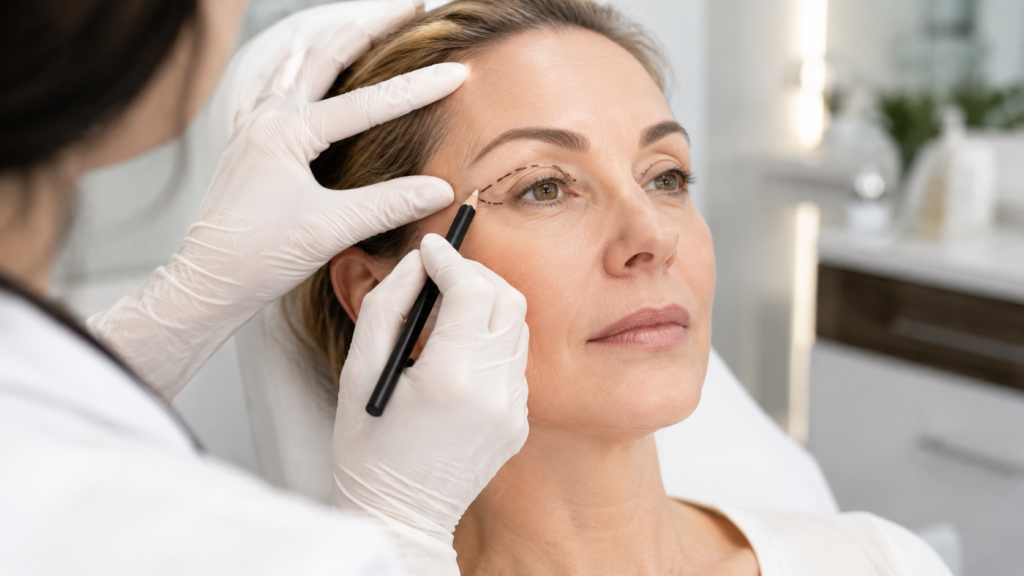
Facelift
A facelift is typically recommended for patients over the age of 40 or 50. Younger individuals typically don’t need this procedure as their skin and facial structures are still youthful.
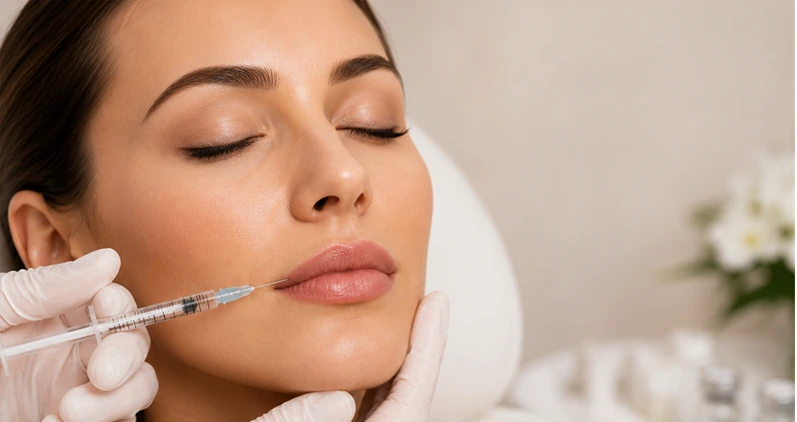
Botox and Fillers
These treatments can be done in younger individuals, often starting in their 20s, but only with parental consent if the individual is under 18. However, they are not typically performed in individuals under 18 unless medically necessary.
Can you get plastic surgery under the legal age with parental consent?
Can a minor get plastic surgery? Can kids get plastic surgery? For minors under the age of 18, parental consent is a significant factor when considering plastic surgery. While the law typically requires individuals to be 18 or older to undergo surgery independently, parental consent can make it possible for those under 18 to have certain procedures performed.
However, parental consent does not guarantee that a surgeon will proceed with the surgery. The surgeon’s professional judgment, the specific procedure being requested, and the health and maturity of the minor will all be factors in deciding whether to move forward with the surgery.
How does the consultation process change based on age?
The consultation process for plastic surgery can vary depending on the patient’s age. For minors or younger patients, parental involvement is crucial. A thorough discussion with the parents and the trusted surgeon helps ensure that everyone understands the risks, benefits, and emotional impacts of the procedure.
For adult patients, the consultation may focus more on their physical health, expectations, and long-term goals for the surgery. However, for younger individuals, psychological readiness is also an important part of the discussion.
What risks are associated with getting plastic surgery at a young age?
There are several risks involved in undergoing plastic surgery at a young age (risks of plastic surgery under 18), including:
Incomplete Development
For younger individuals, the body may still be growing, which can impact the results of the surgery. For example, breast implants or rhinoplasty may not have the intended long-term effect if the body continues to develop afterward.
Emotional Consequences
Young patients may not fully understand the psychological impact of surgery, which can lead to regret or dissatisfaction with the results. The emotional maturity required to handle the changes that come with surgery is an important consideration.
Health Risks
Younger individuals may have a higher risk of complications due to a less developed immune system or other health factors. Any surgery comes with inherent risks, such as infection or adverse reactions to anesthesia, but these can be more pronounced in younger patients.
Social Pressure
Social influences can play a significant role in the decision to undergo surgery, particularly for teenagers. Pressure from peers or societal beauty standards may contribute to poor decision-making, leading to regret.
Are there age limits for certain plastic surgery procedures?
Certain plastic surgery procedures do have specific age limitations.
For example:
- Facelifts are generally not performed on individuals under the age of 40 unless there are significant medical or hereditary reasons
- Liposuction may not be recommended for individuals under 18 as their bodies may still be undergoing changes.
- Breast augmentation is typically not performed on individuals under 18, though exceptions can be made for certain medical conditions.
What should you consider before deciding to get plastic surgery at a young age?
Before opting for plastic surgery at a young age, several important factors should be considered:
- Emotional Readiness: Are you ready to handle the physical and emotional changes that come with surgery?
- Physical Development: Is your body fully developed? Can the surgery produce lasting results?
- Health Risks: Are you in good health to undergo surgery, and do you understand the potential risks involved?
- Long-Term Goals: Will the surgery align with your long-term goals, and are you prepared for the possibility of needing future adjustments?
How can you ensure you are making the right decision about plastic surgery?

To make the right decision about plastic surgery, it’s important to:
- Consult with a qualified surgeon who can provide expert advice and guidance.
- Consider all factors—physical, emotional, and psychological—before proceeding.
- Ask questions about the risks, benefits, and possible outcomes of the procedure.
- Understand the financial costs involved and inquire about financing options that may be available.
Making an Informed Decision About Plastic Surgery
Deciding to undergo plastic surgery is a deeply personal choice that requires thoughtful consideration, particularly when it comes to age. Factors like physical maturity, emotional readiness, and understanding the potential risks are crucial in making an informed decision. Whether you’re exploring options for cosmetic enhancements or reconstructive procedures, taking the time to weigh all aspects ensures you make a choice that’s right for your unique circumstances.
If you are considering plastic surgery, it’s essential to ensure that you are making an informed and thoughtful decision. Dr. Bret A. Johnson, MD, is the best plastic surgeon in Dallas, Texas, offering personalized consultations to help you navigate the process. With his expertise, you can be confident in making the right decision for your unique needs. Schedule a consultation today.