Knowing how to tell if a surgical incision is infected is critical for recovery after surgery. An infected incision can lead to serious complications if untreated, including delayed healing, sepsis, or additional surgery. Recognizing infection early allows for prompt treatment and better outcomes.
In simple terms, a surgical incision becomes infected when bacteria, viruses, or other pathogens enter the wound, causing inflammation and disruption of normal healing. Infection may appear on the surface or under the skin, and it can develop within days or weeks after surgery.
Quick overview: Watch for signs of an infected surgical incision, such as redness, swelling, unusual drainage, or warmth around the wound. Early recognition and medical attention reduce complications and promote faster healing.
What Are the Early Signs of an Infected Surgical Incision?
Early identification is crucial. Some early signs of incision infection include:
- Persistent redness extending beyond the wound line
- Increased swelling or firmness
- Drainage that is thick, cloudy, or colored (yellow, green)
- Foul odor from the wound
- Pain that worsens rather than improves
Prompt recognition can prevent complications and shorten recovery time.
What Does an Infected Incision Look Like?
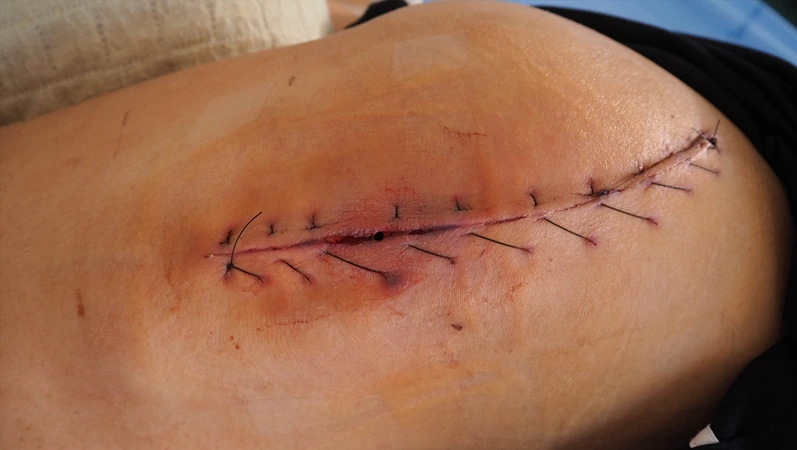
Identifying what does an infected incision look like helps differentiate normal healing from infection. Signs can appear gradually or suddenly, and monitoring your incision daily is essential.
Redness Extending Beyond the Incision Line
Redness that spreads past the surgical line is a common surgical wound infection sign. Mild redness can be normal, but expanding redness may indicate infection.
Thick Yellow, Green, or Cloudy Drainage
Discharge that is thick, colored, or malodorous is one of the clearest infected incision symptoms. Clear or slightly bloody fluid is normal in the first 24–48 hours.
Swelling That Increases Instead of Decreases
Some swelling is expected after surgery. Worsening swelling, especially with pain, may be a warning of infection.
Skin That Feels Hot to the Touch
Heat around the incision often signals inflammation due to bacterial activity. This is an important symptom of surgical site infection.
Opening of Stitches or Delayed Healing
If your stitches start to separate or healing stalls, these infected stitches symptoms may indicate that bacteria are preventing proper wound closure.
How to Tell If a Surgical Incision Is Infected or Just Healing?
Understanding the difference between normal healing and infection prevents unnecessary worry while ensuring timely care.
Normal Healing
- Mild redness confined to the incision
- Slight swelling that decreases each day
- Minimal, clear, or slightly bloody drainage
- Gradual reduction of pain
Possible Infection
- Redness that spreads beyond the wound
- Thick, colored drainage or foul odor
- Swelling or pain that intensifies
- Fever or general malaise
How Soon Can You Tell If a Surgical Incision Is Infected?
You may wonder how soon can you tell if a surgical incision is infected. Most infections develop within 2–10 days after surgery, though some can appear up to several weeks post-operation. Prompt monitoring and reporting of unusual symptoms can prevent more serious complications.
How Does a Surgical Site Infection Develop?
A surgical site infection occurs when bacteria invade the incision, often from the skin, environment, or surgical instruments.
Key components of infection include:
- Bacterial entry: Bacteria enter through small gaps or breaks in the skin.
- Immune response: White blood cells respond, causing redness, warmth, and swelling.
- Inflammation and drainage: Accumulation of fluid and pus slows healing.
- Tissue damage: If untreated, infection can extend under the skin or to deeper tissues.
How to Tell If a Surgical Incision Is Infected Under the Skin?
How to tell if a surgical incision is infected under the skin requires careful observation:
- Persistent or deep pain despite normal healing
- Swelling that feels firm or hard beneath the skin
- Red streaks extending from the incision
- Fever or chills
Medical evaluation is critical, as these infections may not be visible on the surface.
What Are Infected Stitch Symptoms?
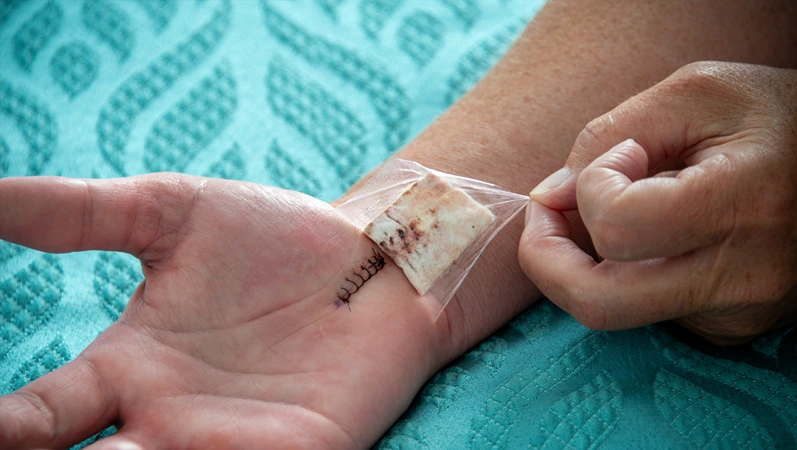
Infected stitches symptoms may include:
- Redness around individual stitches
- Swelling or pus forming at stitch points
- Stitches separating or loosening
- Pain or tenderness concentrated at the stitch sites
Dr. Bret Johnson emphasizes that early attention to these symptoms prevents wound deterioration and further complications.
Case Study: What Happens When an Infection Is Identified Early vs Late?
Scenario: A 45-year-old patient underwent abdominal surgery.
- Early Detection: Mild redness and slight cloudy drainage were noticed on day 3. Antibiotics were prescribed, and healing continued normally. Recovery time: 10 days.
- Late Detection: Another patient ignored worsening pain and yellow drainage for 7 days. The infection spread under the skin, requiring hospitalization and surgical intervention. Recovery time: 30 days.
Takeaway: Timely identification of infected incision symptoms leads to faster healing and less risk of complications.
What Are the Most Common Symptoms of Surgical Site Infection?
| Symptom | Normal Healing | Infection Warning |
| Redness | Confined to the incision line | Spreads beyond incision |
| Swelling | Mild, decreases daily | Increases or persists |
| Pain | Gradual reduction | Intensifies over time |
| Drainage | Clear or light blood | Thick, yellow, green, cloudy |
| Temperature | Skin normal | Hot to touch or fever |
| Stitches | Closed, intact | Opening or loosening |
What Are Expert Tips to Prevent Surgical Wound Infection?
- Keep the incision clean and dry
- Wash your hands before touching the wound
- Follow prescribed dressing changes
- Avoid soaking the incision in baths or pools
- Take antibiotics as directed
- Monitor for early signs of incision infection daily
When Should You Call Your Plastic Surgeon?

Contact your surgeon immediately if you notice:
- Fever or chills
- Rapidly spreading redness
- Thick or foul-smelling drainage
- Stitches opening or delayed healing
- Persistent or worsening pain
How to Know If Your Incision Is Infected
How to know if your incision is infected requires combining visual checks with symptom awareness. Redness, swelling, drainage, heat, or stitch issues are key indicators. Dr. Bret Johnson stresses consulting your surgeon promptly to avoid serious complications.
Conclusion
Recognizing how to tell if a surgical incision is infected ensures a safe and smooth recovery. From infected stitches symptoms to deeper under-skin infections, being aware of warning signs is vital. Following hygiene guidelines, monitoring changes, and seeking professional advice early can prevent serious complications.
Dr. Bret Johnson reminds patients that no symptom is too minor to report, and early detection is the best defense against surgical wound infection. Book a consultation today!
References
- National Institutes of Health (NIH). Postoperative Infection Prevention
- Incision & Surgical Wound Care
- World Health Organization (WHO). Global Guidelines for the Prevention of Surgical Site Infection
FAQs
Understanding surgical incision infection helps patients act quickly.
How long after surgery can an incision get infected?
An incision can become infected from 2 days up to several weeks post-surgery, depending on factors like wound care, immune status, and type of surgery.
Can a surgical incision infection heal on its own?
Minor infections are rare to resolve without treatment. Most require antibiotics or medical intervention to prevent worsening.
How do I know if my surgical incision is infected or just irritated?
Redness and mild swelling are normal initially. Infection signs include spreading redness, thick or colored drainage, increasing pain, or opening stitches.
What does an infected surgical incision look like?
It may appear red, swollen, hot to touch, with thick yellow or green discharge. Stitches may separate, and the surrounding skin may feel firm.
How soon can you tell if a surgical incision is infected?
How long after surgery can an incision get infected? Signs often appear within 2–10 days after surgery, but some infections can develop later. Early monitoring is key to prompt treatment.