Thinking about a nose job, or rhinoplasty? It’s a big decision, and naturally, you have lots of questions. One of the first things you’ll hear your surgeon discuss is the surgical approach: open or closed.
These two terms describe how your surgeon accesses the underlying bone and cartilage of your nose. It can sound complicated, but it simply comes down to where the incisions are placed.
Neither method is automatically better than the other; instead, the right choice depends entirely on your specific aesthetic goals and the complexity of the changes you’re hoping for.
We’re here to walk you through the specifics of open vs closed rhinoplasty surgery so you can feel confident and informed as you discuss your options.
What Is Open Rhinoplasty?
Open rhinoplasty is a technique where the surgeon makes a small incision across the columella—the little strip of tissue that separates your nostrils—in addition to internal incisions within the nose.
Making this external cut allows the surgeon to gently lift the skin of the nose, much like opening a car hood, which gives them a complete, direct view of the entire underlying nasal structure.
This method is often chosen for more complex cases, like significant tip refinement, or when dealing with revision surgery, as it offers maximum visibility and control over the cartilage and bone.
What Is Closed Rhinoplasty?
Closed rhinoplasty procedure, sometimes called endonasal rhinoplasty, is a technique performed entirely through incisions placed inside the nostrils. The key feature of this approach is that there is absolutely no external incision, meaning there is no visible scar on the columella.
The surgeon accesses the nasal structure through these internal cuts and manipulates the cartilage and bone from there.
What is closed rhinoplasty best for? It is typically reserved for patients who need minor to moderate adjustments, often involving work on the nasal bridge or septum, where extensive visualization of the tip structures isn’t necessary.
How Do Open and Closed Rhinoplasty Techniques Differ?
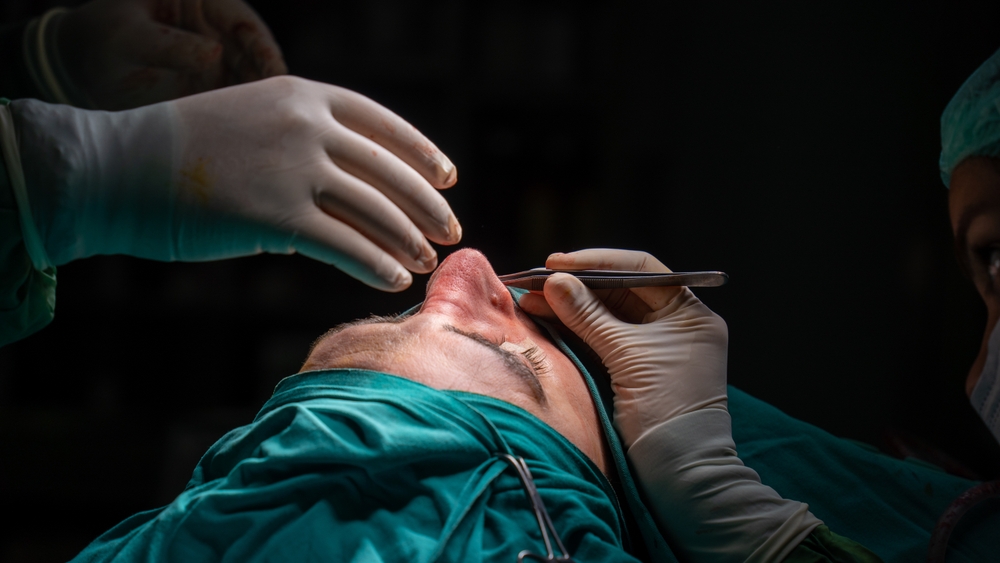
The fundamental difference between open vs. closed rhinoplasty surgery lies in the degree of visibility and access the surgeon has to the nasal anatomy. This difference impacts everything from where the cuts are made to how long the recovery takes.
- Incision Placement: Open rhinoplasty requires an external cut across the columella; closed rhinoplasty incisions are made exclusively inside the nostrils.
- Visibility: The open approach offers the surgeon full, direct visualization of the entire skeletal structure, while the closed method relies more on the surgeon’s feel and experience working through limited access.
- Precision: For highly complex cases, such as intricate tip work or structural grafting, the open approach generally allows for greater precision due to the clear view and direct manipulation of tissues.
- Recovery: Patients receiving a closed rhinoplasty typically experience less initial swelling and a potentially shorter recovery time because the procedure is less invasive to the soft tissues.
What Are the Advantages of Open Rhinoplasty?
The open approach is widely favored by many surgeons for its versatility and the unparalleled view it provides of the nasal anatomy. This access is a major benefit when significant architectural changes are needed.
- The direct visualization allows for the most precise placement of grafts and sutures, which is helpful for dramatic tip reshaping.
- It is the preferred method for revision rhinoplasty or for noses with complex structural issues, as the entire framework is laid open for correction.
- The surgeon has the greatest control over the final shape of the nose by being able to directly assess and secure changes to the cartilage.
- The improved access makes it easier to use cartilage from the septum, rib, or ear to rebuild or support the nose’s structure.
What Are the Advantages of Closed Rhinoplasty?
Many people prefer the closed rhinoplasty procedure because of its less invasive nature and the total absence of external cuts. This makes it a great choice for patients who need more minor tweaks.
- A major benefit is the lack of a visible scar, as all the closed rhinoplasty incisions are entirely hidden inside the nose.
- The procedure generally causes less disruption to the soft tissues, which can mean less immediate swelling and faster resolution of puffiness.
- The overall operation time is often shorter compared to a lengthy open rhinoplasty operation.
- The recovery time can be slightly quicker, allowing patients to return to their normal routine sooner.
What Are the Possible Drawbacks of Each Approach?
While both techniques are safe and effective in the hands of a skilled professional, it’s fair to know about the limitations or disadvantages of each. Your surgeon will discuss these with you based on your specific case.
- With an open rhinoplasty, the small columellar incision will leave a very minor scar, which typically fades well but is technically visible.
- An open rhinoplasty operation often results in more noticeable swelling, particularly in the nasal tip, that can take longer to fully subside.
- In the closed approach, the surgeon’s limited view and restricted access can make intricate work on the nasal tip more challenging.
- The closed rhinoplasty procedure may not be suitable for the most complex cases, such as noses requiring a large amount of grafting or revision work.
How Do Recovery and Healing Compare?
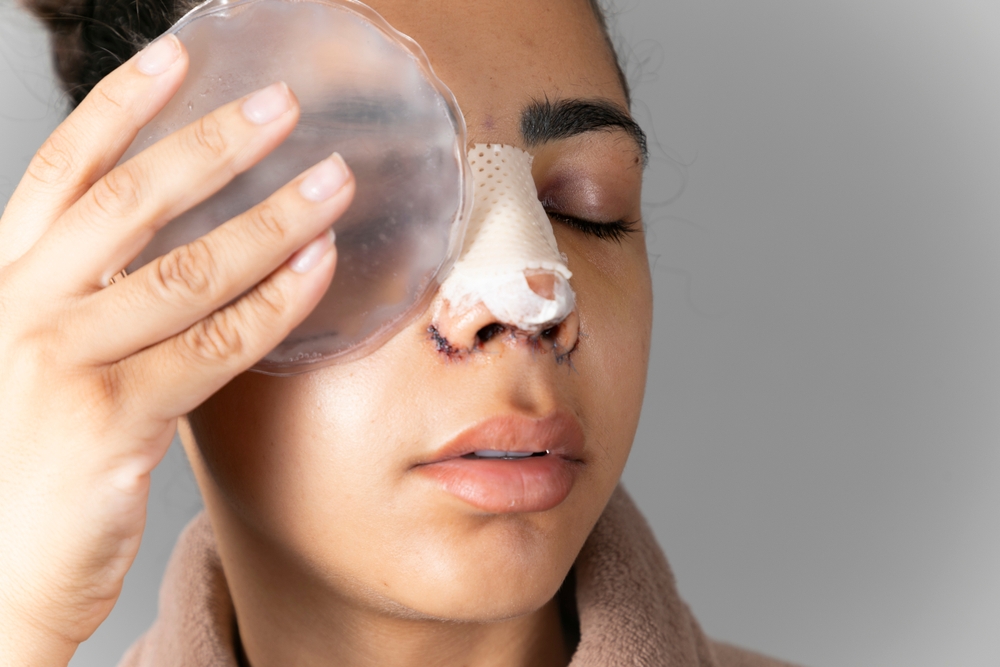
Generally speaking, recovery time is a bit shorter for the closed approach. Since closed rhinoplasty is less invasive, there’s less surgical trauma, which typically translates to less initial swelling and bruising, and a quicker return to public life. The majority of swelling from a closed procedure resolves faster than that from an open procedure.
With an open rhinoplasty, the external incision means a longer period for the skin to fully settle, and patients should expect the residual tip swelling to take several months to a year to completely disappear. Regardless of the method, your surgeon will give you specific instructions for managing swelling and healing.
Which Technique Produces More Natural-Looking Results?
Both techniques can produce beautifully natural and subtle results; the key factor is the skill and artistry of the surgeon, not the approach itself. The question of natural-looking results hinges on matching the surgical approach to the required change for effective rhinoplasty nose reshaping.
- For simple changes like reducing a small hump, a closed procedure can achieve a fantastic, natural look with minimal trauma.
- When extensive work is necessary, the precision of the open approach often allows for a more controlled and natural reconstruction.
- The longevity of the result—how natural it looks over time—depends heavily on the surgeon’s ability to create stable, long-term support structures.
- A result is considered natural when the nose complements the rest of the facial features without looking “done.”
Who Is a Good Candidate for Each Type of Rhinoplasty?
The selection of the technique comes down to the patient’s anatomy and the complexity of the desired changes for their rhinoplasty nose reshaping. Your surgeon will recommend the best fit during your consultation.
- You might be a good candidate for a closed technique if your concerns are minor, such as removing a small dorsal hump or making subtle changes to the bridge.
- A closed technique is also often a preference for people whose nasal tip already has a good shape and only needs minor modifications.
- The open technique is generally best if you require extensive work on the nasal tip or need major structural changes, such as correcting severe asymmetry.
- You will likely need an open approach if you are undergoing a secondary surgery, as a revision rhinoplasty often requires the most access to rebuild structures.
How Do You Choose the Right Surgeon and Approach?
Finding a surgeon who is highly experienced in both the open and closed methods is always the best path forward. This allows them to approach your nose without a procedural bias, choosing the best tool for your specific job.
With experience and board certification
Look for a surgeon who is board-certified and has extensive experience in both the open or closed rhinoplasty techniques; their ability to perform either technique well speaks volumes about their skill. They should show you photos that demonstrate their consistency and artistry with both approaches.
Expertise in surgery
Ask your surgeon why they are recommending the open or closed method for you specifically; a good answer will be directly tied to your anatomy and aesthetic goals. They should be able to articulate why one approach gives the best chance of achieving the look you desire.
Availability of reviews from previous surgeries
Review many open rhinoplasty scar photos so you know exactly what to expect from the external incision if the open method is suggested; most scars fade so well that they become nearly undetectable over time. It helps to see examples of their work specifically focused on the small columellar incision.
Knows how to communicate well and sets expectations
Make sure you feel completely comfortable with the communication style of the surgeon and their team; a great working relationship based on trust and clear expectations is key to a successful experience. They should be clear about what to expect during the closed rhinoplasty procedure or the open operation.
Securing Your Perfect Nose Reshaping Journey
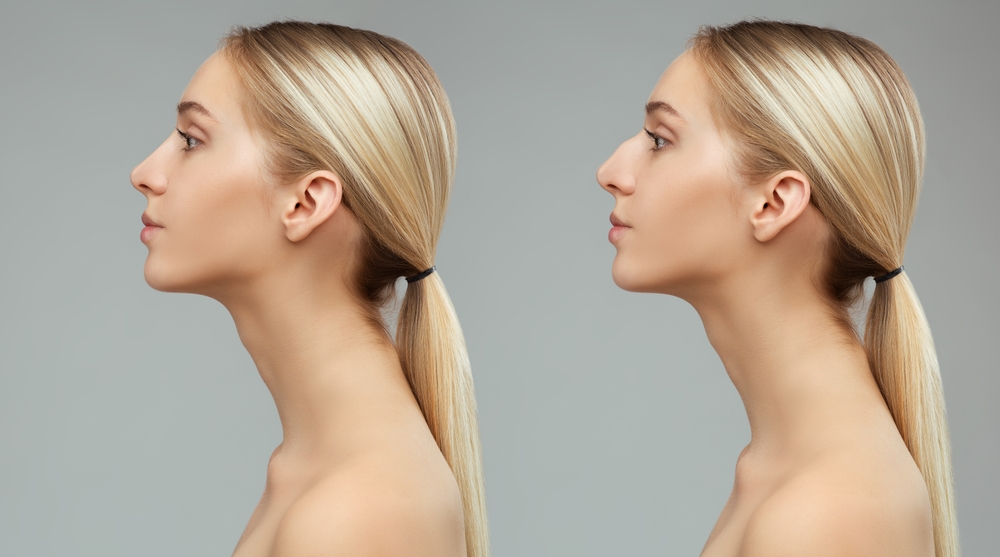
Deciding to have a nose job is a big step, and choosing the right technique is paramount to getting the result you envision. The great news is that skilled surgeons can deliver beautiful, natural-looking results with either the open or closed approach—it’s about matching the method to the need.
When seeking the best rhinoplasty surgeon in Dallas, we confidently point to Dr. Bret Johnson. His reputation for detailed work and thoughtful approach to cosmetic surgery means you’ll receive a personalized recommendation for the technique that is just right for you. We also offer financing options to help make your dream of rhinoplasty nose reshaping an affordable reality. Schedule an appointment with us to get started.