Rhinoplasty, commonly known as a “nose job,” is a popular cosmetic surgery that reshapes and resculpts the nose to improve its appearance and, in some cases, its function.
While the results of a rhinoplasty can be transformative, the recovery process is crucial.
Healing times can vary from person to person, and it’s essential to understand what to expect during the recovery period to ensure a smooth and successful outcome.
What is Rhinoplasty?
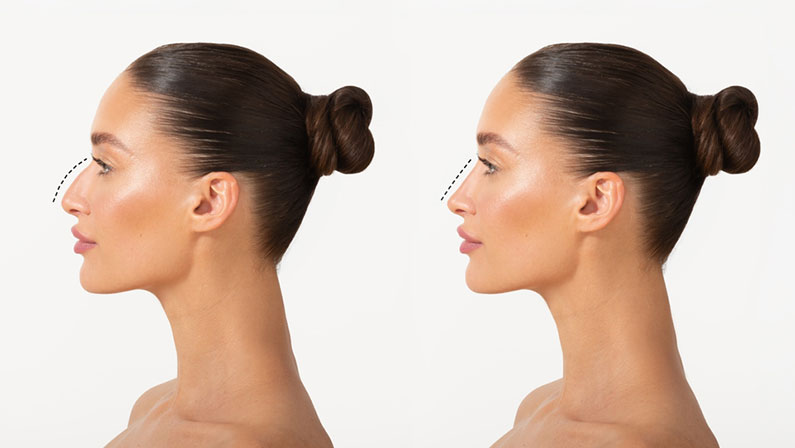
Rhinoplasty is a surgical procedure that involves reshaping the bone and cartilage of the nose to achieve a more aesthetically pleasing or functional appearance.
It can address various concerns, such as a crooked nose, a bumpy bridge, a bulbous or wide nasal tip, or breathing difficulties caused by structural issues.
The procedure can be performed using either open or closed techniques, depending on the extent of the changes required.
What Should You Expect Immediately After Rhinoplasty Surgery?
Immediately after your rhinoplasty surgery, you can expect some discomfort, swelling, and bruising around the nose and eye area.
Your surgeon will place a nasal splint or protective cast on your nose to support and protect it during the initial healing phase. You may also experience some mild bleeding or nasal congestion, which is normal.
The doctor will provide you with specific instructions on how to care for your nose during this initial recovery period, which typically lasts for the first week or two after surgery.
What Factors Can Influence Recovery Time For Rhinoplasty?
Several factors can influence the duration of your rhinoplasty recovery, including:
- Extent of the surgery: More extensive procedures, such as those involving significant structural changes or revision rhinoplasty, may require a longer recovery period.
- Individual healing ability: Some people heal faster than others due to age, overall health, and genetics.
- Adherence to post-operative instructions: Following your surgeon’s instructions regarding activity restrictions, wound care, and medication can significantly impact your recovery time.
- Presence of complications: Any complications, such as infection or excessive bleeding, can prolong the recovery process.
How Long Does the Initial Healing Phase Last?
How long does nose surgery take to heal? The initial healing phase after a rhinoplasty typically lasts for the first 1-2 weeks.
During this time, you can expect the following:
- Swelling and bruising around the nose and eyes, which will gradually subside.
- Nasal congestion and difficulty breathing through the nose.
- Discomfort or pain, which can be managed with prescribed pain medication.
- Restricted activity levels to allow for proper healing.
When Can You Return to Work and Daily Activities?
Most patients can return to work and light daily activities within 1-2 weeks after rhinoplasty surgery. However, it’s essential to avoid strenuous activities, heavy lifting, or anything that could cause nose trauma during the initial healing phase. Your surgeon will provide specific guidelines on when you can resume various activities based on your recovery progress.
How Long Will Swelling and Bruising Last?
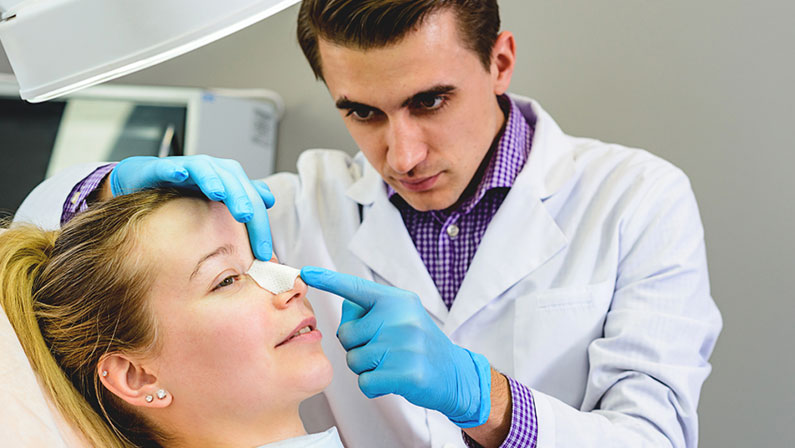
Swelling and bruising are common side effects of rhinoplasty and can last several weeks or even months. It’s not unusual for patients to experience residual swelling for up to a year after the procedure. However, most swelling and bruising should subside within the first 4-6 weeks. Being patient and allowing your body time to recover fully is important.
When Will You See the Final Results of Your Rhinoplasty?
While you may notice some improvement in the appearance of your nose shortly after surgery, it can take up to a year or more for the final results to become fully apparent, which is a nose job downtime. This is due to the gradual resolution of swelling and the continued healing and settling of the nasal tissues. Your surgeon will likely schedule follow-up appointments to monitor your progress and ensure that your results are developing as expected.
What Can You Do to Speed Up Recovery?
While everyone’s healing process is different, there are several things you can do to potentially speed up your recovery after a rhinoplasty:
- Follow your surgeon’s post-operative instructions carefully, including activity restrictions and wound care guidelines.
- Get plenty of rest and avoid strenuous activities during the initial healing phase.
- Apply cold compresses or ice packs to the nose and eye area to help reduce swelling and bruising.
- Stay hydrated and eat a balanced diet to support healing after nose surgery.
- Avoid smoking and exposure to secondhand smoke, as this can impair healing.
- Attend all follow-up appointments with your surgeon to monitor your progress and address concerns.
Are There Any Risks or Complications That Can Affect Recovery Time?
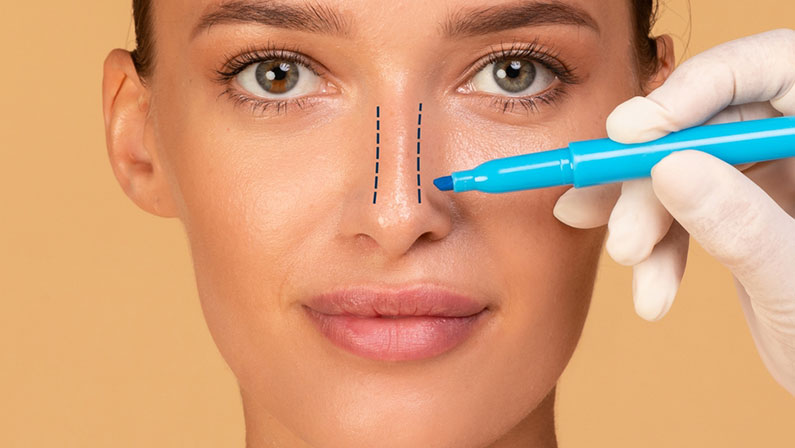
While rhinoplasty is generally a safe procedure, there are some potential risks and complications that can affect recovery time for a nose job if they occur.
These include:
- Infection: An infection at the surgical site can delay healing and require additional treatment.
- Excessive bleeding or hematoma formation: Excessive bleeding or the formation of a hematoma (collection of blood) can prolong swelling and recovery time.
- Nasal obstruction or breathing difficulties: Additional interventions may be necessary if nasal airways become obstructed or breathing difficulties persist.
- Revision surgery: In some cases, a revision rhinoplasty may be required to address any issues or achieve the desired outcome, which can prolong the overall recovery process.
Achieving Your Desired Results with the Right Guidance
Recovering from a nose job takes time and patience, but with the guidance of the best plastic surgeon for rhinoplasty, you can achieve your desired results.
If you’re considering a rhinoplasty, it’s essential to choose a board-certified plastic surgeon like Dr. Bret Johnson, who has extensive experience in performing successful nose jobs.
At our practice, we understand the importance of a smooth recovery process and provide personalized care and support to ensure optimal healing and satisfaction with your results. Additionally, we offer financing options to make your dream of a refined and proportionate nose more accessible.
Contact us today to schedule a consultation and take the first step toward achieving your aesthetic goals.