Otoplasty, commonly known as ear surgery, is a popular procedure designed to correct and improve the appearance of the ears. Whether for cosmetic reasons or to address congenital deformities, many individuals seek otoplasty to boost their confidence and enhance their facial symmetry. However, one of the primary concerns for prospective patients is understanding the cost associated with otoplasty surgery.
The cost of otoplasty can vary widely based on several factors, including the complexity of the procedure, the surgeon’s expertise, and the geographical location. In this article, we will explore the various aspects that influence otoplasty cost, typical price ranges in the United States, insurance coverage, financing options, and additional considerations to help you make an informed decision about this transformative surgery.
What factors influence the cost of otoplasty?
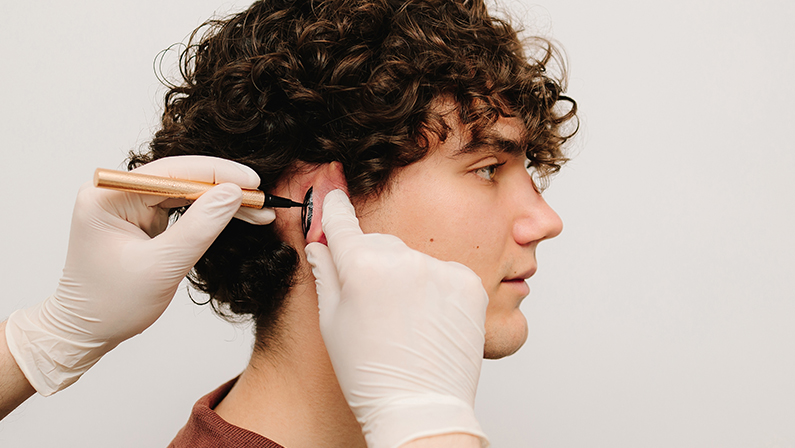
Several factors can affect the cost of otoplasty surgery or cost for ear pinning, each playing a significant role in determining the final price. Understanding these factors can help you make an informed decision when planning for ear surgery.
Surgeon’s Expertise
Experienced and highly skilled surgeons often charge more for their services. Board-certified plastic surgeons with extensive training and a proven track record of successful otoplasty procedures command higher fees due to their expertise and reputation. While choosing a top-tier surgeon may increase the cost, it can also enhance the likelihood of achieving satisfactory results.
Geographical Location
The ear pinning surgery price can vary significantly based on the city or region where the surgery is performed. Urban areas and regions with a higher cost of living typically have higher medical expenses, including surgical fees. Conversely, procedures performed in smaller towns or regions with a lower cost of living may be less expensive. It’s important to consider travel expenses if opting for surgery in a different location.
Surgical Facility
The type of facility where the surgery is performed can impact the overall cost. Hospitals generally have higher fees due to their comprehensive resources and advanced medical equipment. On the other hand, private clinics or outpatient surgical centers may offer more competitive pricing. Ensure that the chosen facility is accredited and maintains high standards of safety and care.
Complexity of the Procedure
The complexity of the otoplasty procedure directly affects the cost. Simple ear pinning surgery may be less expensive than more intricate procedures, such as ear reconstruction or correcting significant deformities. The duration and technical demands of the surgery also play a role in determining the overall price.
Anesthesia Fees
Anesthesia fees are another important consideration. The type of anesthesia used (local or general) and the duration of the procedure can add to the total cost. General anesthesia, which requires the presence of an anesthesiologist, is typically more expensive than local anesthesia. Additionally, longer surgeries will incur higher anesthesia costs.
Postoperative Care
Follow-up visits and postoperative care can influence the overall price of otoplasty. Comprehensive care, including multiple follow-up appointments and any necessary treatments for complications, can add to the cost. It’s essential to factor in these expenses when budgeting for the procedure.
What is the typical price range for otoplasty in the United States?

How much is otoplasty surgery? In the United States, the typical price range for otoplasty can vary from $3,000 to $8,000. This range includes the surgeon’s fee, anesthesia, facility fees, and other related costs. It is important to consult with multiple surgeons to get a comprehensive understanding of the costs involved.
Does insurance cover the cost of otoplasty?
Insurance coverage for otoplasty depends on the reason for the surgery. If the procedure is deemed medically necessary, such as for correcting congenital deformities or injuries, insurance may cover part or all of the ear surgery cost. However, for cosmetic purposes, otoplasty is typically not covered by insurance. It is advisable to check with your insurance provider to understand your coverage options.
Are there financing options available for otoplasty?
Yes, many clinics offer financing options for otoplasty. Patients can opt for medical loans, payment plans, or healthcare credit cards to manage the cost of the procedure. Financing options can make otoplasty more accessible by allowing patients to spread out payments over time.
What is included in the cost of otoplasty?
When considering otoplasty, it’s essential to understand what is typically included in the overall ear reconstruction surgery price. The comprehensive fee for otoplasty usually encompasses several key components, each contributing to the total expense of the procedure.
Surgeon’s Fee
The surgeon’s fee is the amount charged by the surgeon for performing the otoplasty procedure. This fee reflects the surgeon’s expertise, experience, and reputation. Board-certified surgeons with extensive training and a successful track record in otoplasty tend to charge higher fees. This component of the cost is crucial, as it directly relates to the quality of the surgical outcome.
Anesthesia Fees
Anesthesia fees cover the costs associated with administering anesthesia during the surgery. The type of anesthesia used—whether local or general—affects this fee. General anesthesia, which requires the presence of an anesthesiologist, is generally more expensive than local anesthesia. The duration of the surgery also influences the anesthesia fees, with longer procedures incurring higher costs.
Facility Fees
Facility fees are the charges for using the surgical facility where the procedure is performed. These fees can vary based on the type of facility, such as a hospital, outpatient surgical center, or private clinic. Hospitals often have higher facility fees due to their extensive resources and advanced medical equipment. On the other hand, private clinics and outpatient centers may offer more competitive pricing.
Preoperative Tests
Before undergoing otoplasty, patients may need to undergo preoperative tests and consultations to ensure they are suitable candidates for surgery. These tests can include blood work, imaging studies, and medical evaluations. The cost of these preoperative assessments is typically included in the overall price of the procedure.
Postoperative Care
Postoperative care is an integral part of the otoplasty process and includes follow-up visits and any required treatments after the surgery. These visits allow the surgeon to monitor the patient’s healing progress and address any complications that may arise. Comprehensive postoperative care ensures optimal results and a smooth recovery, and its cost is generally included in the total otoplasty price.
Are there any additional costs associated with otoplasty?
Additional costs associated with otoplasty may include:
- Preoperative Tests: Blood tests, imaging, or consultations.
- Medications: Prescriptions for pain management and antibiotics.
- Revision Surgery: In rare cases, additional procedures may be needed.
- Travel Expenses: Costs associated with traveling to the surgical facility.
Is otoplasty worth it?
Deciding whether otoplasty is worth the investment is a personal decision. Many patients report high satisfaction with the results, citing improved self-esteem and confidence. It is essential to weigh the benefits against the costs and consider your personal goals and expectations.
How can patients save money on otoplasty?
Otoplasty can be a significant financial investment, but there are several strategies patients can use to save money on the procedure without compromising on quality.
Here are some practical ways to make otoplasty more affordable:
Consult Multiple Surgeons

One of the most effective ways to save money on otoplasty is to consult with multiple surgeons. By getting quotes from several experienced professionals, patients can compare prices and services. It’s important to consider the surgeon’s credentials, experience, and patient reviews in addition to the cost. Sometimes, a slightly higher fee may be worth the investment for a highly reputable surgeon with excellent outcomes.
Consider Location
The geographical location where the surgery is performed can significantly impact the cost. Urban areas and regions with a higher cost of living tend to have higher surgical fees. Opting for otoplasty in smaller towns or regions with lower costs can lead to substantial savings. However, patients should also factor in travel expenses and the convenience of postoperative follow-up visits when considering out-of-town options.
Inquire About Discounts
Some clinics offer discounts or specials on otoplasty procedures. These discounts may be available during certain times of the year or as part of promotional events. Patients should not hesitate to ask clinics about any ongoing offers or potential discounts for scheduling multiple procedures at the same time. Additionally, some surgeons may offer reduced rates for procedures performed by residents or fellows under their supervision.
Explore Financing Options
Financing options can make otoplasty more accessible by allowing patients to spread the cost over time. Many clinics offer payment plans, medical loans, or healthcare credit cards. These options can help manage the financial burden by breaking down the total cost into manageable monthly payments. It’s important to review the terms and interest rates of any financing plan to ensure it fits within the patient’s budget.
Combine Procedures
Patients interested in multiple cosmetic procedures may be able to save money by combining them into a single surgical session. Surgeons often provide discounts for multiple procedures performed simultaneously, which can reduce the overall cost. This approach also has the added benefit of reducing overall recovery time and anesthesia costs.
Check for Insurance Coverage
While cosmetic otoplasty is typically not covered by insurance, procedures deemed medically necessary (such as correcting congenital deformities or repairing injury-related damage) might be partially or fully covered. Patients should consult their insurance provider to determine if their specific situation qualifies for coverage, which can significantly reduce out-of-pocket expenses.
Utilize Flexible Spending Accounts (FSAs) or Health Savings Accounts (HSAs)
Patients with FSAs or HSAs can use these accounts to pay for otoplasty, as these funds are pre-tax and can reduce the overall cost. It’s essential to verify that otoplasty is an eligible expense under the specific terms of the FSA or HSA plan.
What should patients consider when evaluating the cost of otoplasty?
When evaluating the ear pinning surgery cost, patients should consider:
- Surgeon’s Qualifications: Ensure the surgeon is board-certified and experienced.
- Comprehensive Costs: Look at the total cost, including postoperative care.
- Patient Reviews: Read reviews and testimonials from previous patients.
- Surgical Facility: Consider the quality and accreditation of the facility.
Making an Informed Decision About Otoplasty
Understanding the cost of otoplasty involves considering various factors, including the surgeon’s expertise, the complexity of the procedure, and geographical location. While insurance may cover some medically necessary cases, many patients opt for financing options to manage costs.
If you are looking for the best facial plastic surgeon in Dallas, Dr. Bret Johnson is renowned for his expertise in otoplasty and offers comprehensive financing options to make your journey to improved confidence more accessible. Contact them today to learn more about your options and take the first step towards achieving your aesthetic goals.