Considering otoplasty, also known as ear pinning surgery, to achieve a more confident appearance? Understanding the otoplasty healing timeline is crucial for a smooth recovery. This guide will take you through each stage, from the first 24 hours to complete healing, and provide essential tips to ensure optimal results.
Otoplasty Healing Timeline
Following your otoplasty procedure, your body goes through an amazing healing process to achieve its final form.
Here’s what you can expect at each stage:
First 24 Hours
Following your otoplasty procedure, expect some swelling and discomfort. You’ll likely wear a bandage around your head to keep the ears in place. Rest is crucial during this initial period.
24 to 72 Hours
While swelling may still be present, it should gradually decrease. Pain medication prescribed by your surgeon can help manage any discomfort.
Three Days to One Week
Most patients start feeling more comfortable by this point. You may be cleared to return to work or school, but strenuous activity should be avoided. The initial bandage will likely be replaced with a lighter dressing.
One to Two Weeks
Swelling should be significantly reduced, and you’ll be able to resume most daily activities. Your surgeon will monitor your progress and may recommend wearing a headband at night for additional support.
By Three Months
Most, if not all, swelling should be gone by this stage. You can expect to see the final results of your otoplasty surgery, with your ears positioned in their new, improved location.
What to Do After Your Otoplasty Procedure
Following your otoplasty surgery, supporting your body’s healing process is key to achieving the best results and a smooth ear surgery recovery.
Here are some essential practices to follow:
1. Prioritize Rest with Your Head Elevated
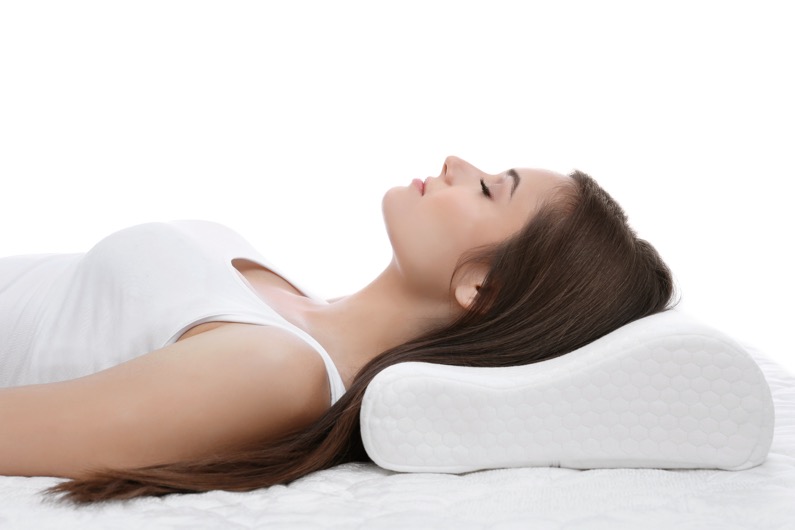
Getting plenty of rest is crucial after surgery. This allows your body to focus its energy on healing and repair. When sleeping or relaxing, prop yourself up with extra pillows to keep your head elevated. Elevating your head helps reduce swelling and discomfort around the ears, promoting a more comfortable ear pinning surgery recovery.
2. Keep Your Head Cool and Dry to Minimize Swelling
Avoid hot showers or baths for the first few days, as heat can increase swelling. Opt for lukewarm showers instead. Pat your head dry with a clean towel instead of rubbing to prevent irritation. Keeping your head cool and dry minimizes swelling and promotes optimal healing.
3. Take Medications as Directed for Pain Management
Your doctor will likely prescribe pain medication to manage any discomfort you might experience after surgery. Take the medication exactly as prescribed to ensure effective pain relief. This will contribute to a more comfortable recovery period.
4. Apply Topical Ointments as Instructed to Promote Healing
You may be given topical ointments to apply to the surgical incisions. Apply these ointments exactly as directed by your doctor. These ointments can help promote healing and reduce the risk of infection, leading to a smoother recovery.
5. Maintain a Healthy Diet to Support Healing
Eating a balanced diet rich in vitamins and minerals is crucial for optimal healing. Focus on consuming fruits, vegetables, and whole grains to provide your body with the nutrients it needs to recover effectively. A healthy diet supports your body’s natural healing processes and can also promote healthy hair.
6. Wear Easily Removable Clothing to Avoid Discomfort
Opt for loose-fitting shirts and button-down tops that you can easily put on and take off without putting any strain on your ears or head area. This will help minimize discomfort and prevent accidental snags on the dressings, contributing to a more comfortable recovery experience.
7. Wear Dressings and Headbands as Instructed for Optimal Results
You’ll likely have bandages or dressings applied after surgery to keep your ears in their new position and promote healing. Wear these dressings exactly as instructed by your doctor, and don’t remove them yourself. Your doctor may also recommend wearing a headband at night for additional support and to prevent you from accidentally touching or rubbing your ears while sleeping. Wearing the dressings and headband as instructed plays a vital role in achieving optimal results from your otoplasty surgery.
What to Avoid After Otoplasty Surgery
While your body works its magic healing your ears after otoplasty surgery, there are certain activities you should steer clear of to optimize recovery and minimize complications.
Here’s what to avoid during this time:
1. Avoid Touching or Rubbing Your Ears
It might be tempting to touch or rub your ears, especially during the healing stages when they might feel itchy or tender. However, resist the urge! Touching or rubbing the surgical site can irritate the incisions, disrupt healing, and potentially increase the risk of infection.
2. Quit Smoking, If You Haven’t Already
If you’re a smoker, quitting is always a good decision, but it’s especially important after otoplasty surgery. Smoking can impede blood flow, which can slow down the healing process and increase the risk of complications. Talk to your doctor about smoking cessation strategies if you need help quitting.
3. Avoid Vigorous Activity and Exercise
While staying active is generally good for your health, strenuous activity and exercise should be avoided for the first few weeks after otoplasty surgery. Strenuous activities can increase blood pressure and put strain on the surgical site, potentially leading to complications. Your doctor will advise you on a personalized plan for gradually resuming exercise based on your healing progress.
4. Don’t Wash Your Hair with Shampoo for the First Week
Skip the shampoo for the first week after surgery. Your doctor will likely advise you on how to gently cleanse your hair without disturbing the dressings or irritating the incisions. Opt for a gentle cleansing method as instructed by your doctor to avoid disrupting the healing process.

What Can I Expect From My Otoplasty Surgery Results?
Otoplasty surgery offers long-lasting and significant improvements in the appearance and positioning of your ears.
Here’s what you can expect:
Permanent Change in Ear Position
Unlike temporary solutions, otoplasty surgery provides permanent results. The surgical procedure reshapes the ear cartilage, leading to a long-term change in how your ears are positioned and perceived.
Natural-Looking Enhancements
A skilled otoplasty surgeon prioritizes achieving natural-looking results that complement your overall facial features. The goal is to subtly enhance your appearance, not create a drastic or overly noticeable change.
Confidence Boost
Otoplasty surgery can significantly boost your confidence and self-esteem, particularly if you’ve been self-conscious about your ears for a long time. Seeing your ears in their new, improved position can have a positive impact on how you feel about yourself.
Individual Variations and Considerations
It’s important to remember that healing and the final outcome can vary slightly from person to person. Your doctor will discuss what to expect based on your unique anatomy and desired outcome during your consultation.
Otoplasty incisions are typically hidden behind the ears, and scars fade significantly over time, often becoming barely noticeable. Once you’ve achieved your desired ear position, no further procedures are typically needed to maintain the results.
Otoplasty Recovery FAQs
Following otoplasty surgery, you might have some lingering questions.
Here are answers to some frequently asked questions to guide you through the recovery process:
How long are ears numb after otoplasty?
Expect some temporary numbness around your ears after otoplasty. It usually goes away within a few weeks, but the exact timing can vary depending on your body’s healing process. Don’t worry if you lose some feeling – it’s normal. However, if the numbness lasts longer than a few weeks or you experience tingling or weakness, talk to your doctor.
How bad is the pain during the ear pinning recovery time?
Most patients experience mild to moderate discomfort after otoplasty surgery, not severe pain. It’s manageable with medication prescribed by your doctor.
Think of it more like soreness or tightness around your ears, similar to what you might feel after a minor dental procedure. The discomfort is usually most noticeable during the first few days after surgery and gradually improves as you heal.
When will otoplasty swelling subside?
Otoplasty swelling typically subsides in stages:
- Significant reduction within 2 weeks: In the first two weeks after surgery, you’ll likely see a noticeable decrease in swelling around your ears. This initial improvement helps reduce discomfort and allows for a better glimpse of your final results.
- Complete resolution within three months: While significant swelling subsides within the first two weeks, it can take up to three months for all swelling to completely disappear. You might notice subtle residual puffiness that gradually fades over time.
- Individual variations: It’s important to remember that healing rates can vary from person to person. Some patients might experience faster reduction in swelling, while others might take a bit longer.
When will my scars heal after otoplasty?
Otoplasty scars heal gradually, and here’s what you can expect:
- Initial Weeks: The scars will likely appear red and raised during the first few weeks. This is normal as your body builds new collagen for healing.
- Maturation (Several Months): Over the next few months, the scars will flatten, smooth out, and lighten in color, becoming less noticeable.
- Final Appearance (Up to 1 Year): It can take up to a year for otoplasty scars to fully mature and reach their final look. By then, they should be significantly faded and often blend well with the natural creases behind your ears, making them even less visible.
Scarring is influenced by factors like incision location (placed behind the ears for better camouflage) and individual healing rates. Following your doctor’s post-operative instructions carefully can help promote optimal healing and minimize scar visibility. This may involve scar care techniques like applying silicone gel sheets.
How Long Will Recovery from Otoplasty Surgery Last?
Otoplasty recovery takes up to 3 months, but most feel much better within a few weeks. Swelling goes down noticeably within 2 weeks, discomfort is mild and managed with meds, and you can return to most activities fairly quickly (avoiding strenuous ones for a while). Your doctor will give you a specific timeline based on your case.
How can I sleep comfortably after otoplasty?
Sleeping comfortably after otoplasty is all about reducing pressure and keeping your head elevated:
- Back is Best: Sleep on your back to avoid putting any pressure on your ears.
- Prop it Up: Elevate your head with extra pillows to minimize swelling.
- Headband Support: Consider using a doctor-recommended headband at night for additional support and to prevent you from accidentally touching your ears.
How long do you have to wear a headband after otoplasty?
The duration of wearing a headband after otoplasty varies depending on your individual case and doctor’s instructions. However, it’s typically recommended for several weeks at night.
Your doctor will closely monitor your progress and advise you on the exact duration of headband use. They might recommend wearing it for a shorter or longer period based on your specific healing needs.
How long after otoplasty can I exercise?
Skip strenuous exercise for the first few weeks after otoplasty. Your surgeon will clear you to gradually return to exercise, likely starting with low-impact activities.
Considering Otoplasty? Achieve Confidence with Dr. Bret Johnson, M.D.
If you’re considering otoplasty surgery to improve the appearance and positioning of your ears, a consultation with a board-certified plastic surgeon is the next step. A qualified surgeon can discuss your goals, evaluate your candidacy for the procedure, and address any concerns you may have. They can also provide you with realistic expectations about the results you can achieve and the overall otoplasty experience.
Ready to embrace a more confident you? Dr. Bret A. Johnson, M.D., a renowned board-certified facial plastic surgeon in Dallas and Plano, Texas, specializes in otoplasty surgery. With his expertise and commitment to natural-looking results, Dr. Johnson, M.D. can help you achieve your desired ear position and enhance your overall appearance.
Schedule a consultation with Dr. Bret Johnson, M.D. at Dallas Plastic Surgeon today to discuss your otoplasty goals and explore if this transformative procedure is right for you. Dr. Johnson’s practice also offers financing options to make otoplasty surgery more accessible.
Don’t wait to achieve the confidence you deserve. Take the first step towards your otoplasty journey today!