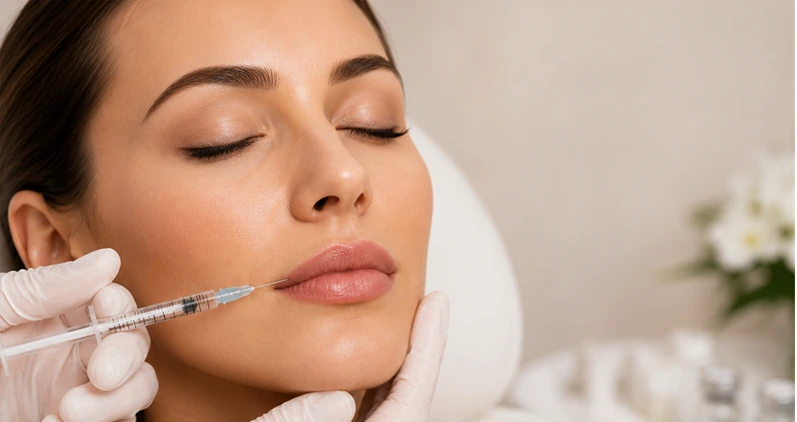
Botox has become one of the most popular cosmetic treatments, with over 4.4 million procedures performed annually in the U.S. But can you get Botox while pregnant, or is it better to wait?
While Botox is widely used for reducing wrinkles and treating medical conditions like migraines, its safety during pregnancy remains a concern. Many expectant mothers worry about potential risks and whether Botox can affect pregnancy. If you’re currently using Botox or planning to conceive, it’s essential to understand how Botox and pregnancy interact.
Let’s explore what experts say about Botox while pregnant, the risks involved, and safe alternatives to keep your skin looking youthful during this special time.
Is It Safe to Get Botox While Pregnant?
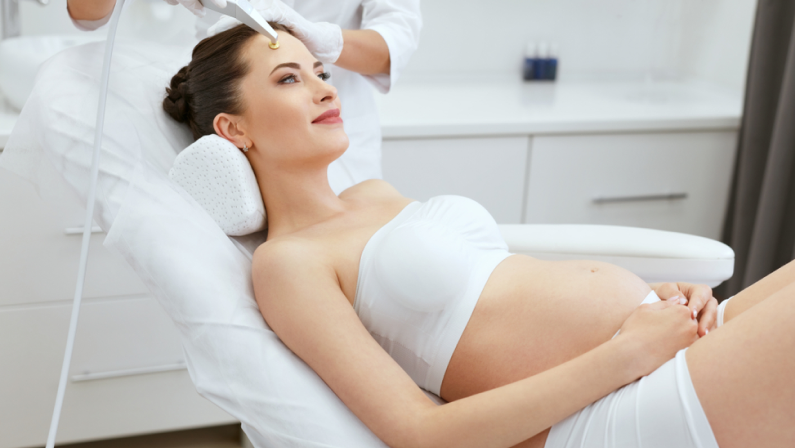
There is limited research on the effects of botox during pregnancy. Since clinical trials do not typically involve pregnant women, there is no conclusive evidence to confirm whether botox is entirely safe or harmful for an unborn baby.
However, most doctors and medical associations recommend avoiding botox when pregnant as a precaution. The active ingredient in botox, botulinum toxin, temporarily relaxes muscles by blocking nerve signals. While it remains localized and does not travel far in the body, the effects on fetal development are still unknown.
Because of this uncertainty, many healthcare providers suggest postponing botox treatments until after pregnancy to eliminate any potential risks.
What If You Unknowingly Use Botox While Pregnant?
Many women get botox prior to pregnancy without realizing they are already expecting. If you had botox before being pregnant, should you be concerned?
The good news is that there are no known cases where botox has caused birth defects or pregnancy complications. Since botox does not enter the bloodstream in significant amounts, the likelihood of harm is very low.
If you recently had botox before realizing you were pregnant, inform your doctor, but there’s usually no need for alarm. Your healthcare provider may monitor your pregnancy closely, but no immediate action is necessary.
What Are the Risks of Using Botox While Pregnant?
While there is no definitive proof that botox harms a developing baby, doctors recommend erring on the side of caution.
Potential risks include:
1. Lack of Research on Pregnant Women
Most studies on botox have been conducted on animals, and no large-scale human trials exist to confirm its safety in pregnancy. Without clear data, most medical professionals advise against taking unnecessary risks.
2. Possible Spread of Toxins
Botox is injected into muscles and generally stays in the targeted area. However, in rare cases, botulinum toxin can spread beyond the injection site, leading to symptoms like muscle weakness and difficulty swallowing. This could theoretically pose risks to an unborn baby.
3. Unknown Effects on Fetal Development
Since fetal organs are developing rapidly during pregnancy, any substance that affects nerve activity could have unforeseen consequences. Experts cannot guarantee that botox does not interfere with this process.
4. Potential Immune System Reactions
Although rare, some people experience allergic reactions or immune system responses to botox. While this is not common, pregnancy can heighten sensitivity to certain substances, making it more unpredictable.
Because of these unknowns, most medical professionals advise against botox during pregnancy.
What If You Use Botox for a Medical Condition?
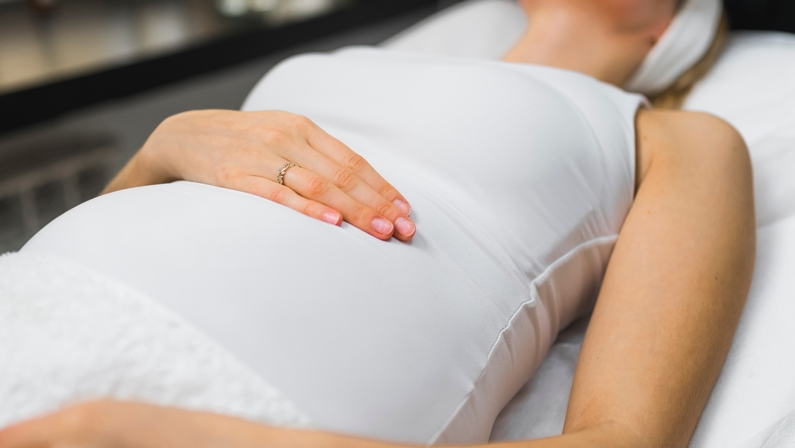
Botox is actually not just for wrinkles. In fact, it is also FDA-approved for treating chronic migraines, muscle spasms, excessive sweating, and TMJ pain. If you rely on botox for medical reasons, you might wonder if stopping treatment will impact your health.
Doctors generally recommend pausing botox when pregnant and exploring alternative treatments that do not involve botulinum toxin. In some cases, if the medical condition is severe and other options are unavailable, a doctor may discuss potential risks vs. benefits on a case-by-case basis.
If botox is essential to your well-being, consult with your healthcare provider to determine the safest course of action.
Should You Get Botox While Breastfeeding?
Even after giving birth, many women ask, “Can I get botox while breastfeeding?” The answer is still unclear, as there is limited research on whether botox passes into breast milk.
Since botox primarily stays at the injection site, experts believe the risk of it entering breast milk is minimal. However, because long-term data is lacking, many doctors still recommend waiting until you finish breastfeeding before resuming botox.
For those eager to restart treatments, discussing timing and potential risks with your doctor is the best approach.
What Happens to Your Skin If You Stop Using Botox During Pregnancy?
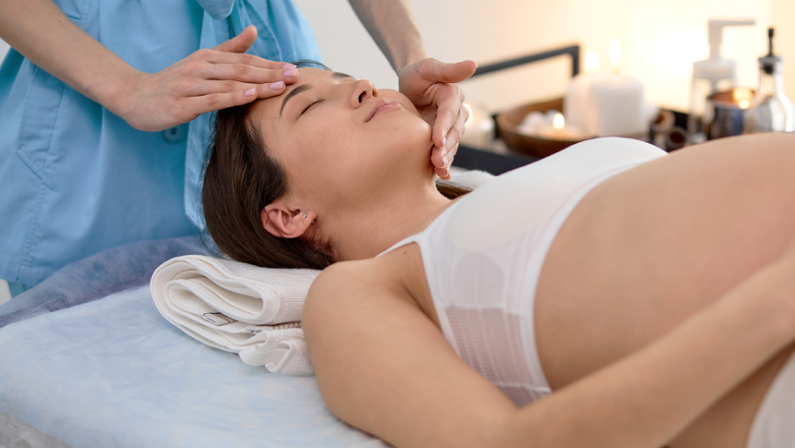
One of the biggest concerns for botox users is what will happen to their skin if they stop injections during pregnancy. The good news is that botox does not cause the skin to “worsen”—it simply wears off over time.
After stopping botox, expect:
- Gradual return of facial movement, especially in areas where wrinkles were previously treated
- Fine lines and wrinkles becoming more noticeable, as muscles regain full function
- No permanent effects, since botox only offers temporary results
- Your skin may not age faster, but natural expressions will return.
What Are Some Botox Alternatives During Pregnancy to Keep Wrinkles Away?
If you’re avoiding botox during pregnancy but still want to maintain youthful skin, there are several safe alternatives:
- Pregnancy-Safe Skincare Products: Look for hyaluronic acid, vitamin C, and peptides, which help boost collagen and keep skin hydrated.
- Facial Massages and Gua Sha: Regular facial massages improve circulation and reduce puffiness, offering a natural “lifting” effect.
- Microneedling (With Doctor Approval): Some pregnant women opt for microneedling, which promotes collagen production without involving chemicals. Always consult your doctor first.
- Pregnancy-Safe Chemical Peels: Gentle lactic acid peels help brighten skin and minimize fine lines.
- Sunscreen and Hydration: Sun exposure accelerates skin aging, so using broad-spectrum SPF 30+ and drinking plenty of water can help keep your skin smooth.
When Can You Resume Botox Injections?
Most doctors recommend waiting until after pregnancy and breastfeeding before resuming botox.
The general guideline is:
- Wait at least six weeks postpartum to allow your body to recover
- If breastfeeding, consult your doctor before getting botox
- If you had botox prior to pregnancy, expect results to fully wear off within 3-6 months
- For the best timing and treatment plan, schedule a consultation with a qualified specialist.
Consult a Dallas Plastic Surgeon for Safe Botox Treatments
If you’re wondering, “Can botox affect pregnancy?” or “When can I safely resume botox?” speaking with a trusted expert is the best way to get personalized advice.
Safety should always come first, especially during pregnancy and postpartum recovery. A consultation with a trusted Dallas plastic surgeon can provide clarity on whether to pause botox, explore alternative treatments, or determine the right time to resume injections.
With locations in Dallas, Texas, Dr. Johnson’s practice offers top-tier cosmetic procedures, including botox and injectables. Financing options are available to make treatments more accessible. To learn more or schedule a consultation, visit our website or reach out through our contact page.