Brazilian Butt Lifts (BBLs) have surged in popularity for their transformative results, but not everyone remains satisfied with their decision over time. Life changes, aesthetic preferences, or health concerns can prompt a desire for change, leading many to ask, “Can a BBL be reversed?” The good news is that procedures like BBL reversal or BBL reduction surgery provide options for those looking to modify or reverse the effects of their original procedure.
In this article, we’ll explore what a BBL reversal entails, who might benefit, and everything you need to know about the process, risks, and outcomes.
What is BBL Reversal?
BBL reversal refers to the surgical procedure that reduces or removes fat or implants added during a Brazilian Butt Lift. The process involves extracting fat deposits or removing implants to restore a more natural appearance or address complications. Depending on the patient’s goals, a BBL reduction surgery or BBL removal surgery can achieve results tailored to individual needs.
Why Would You Want Your BBL Reversed?
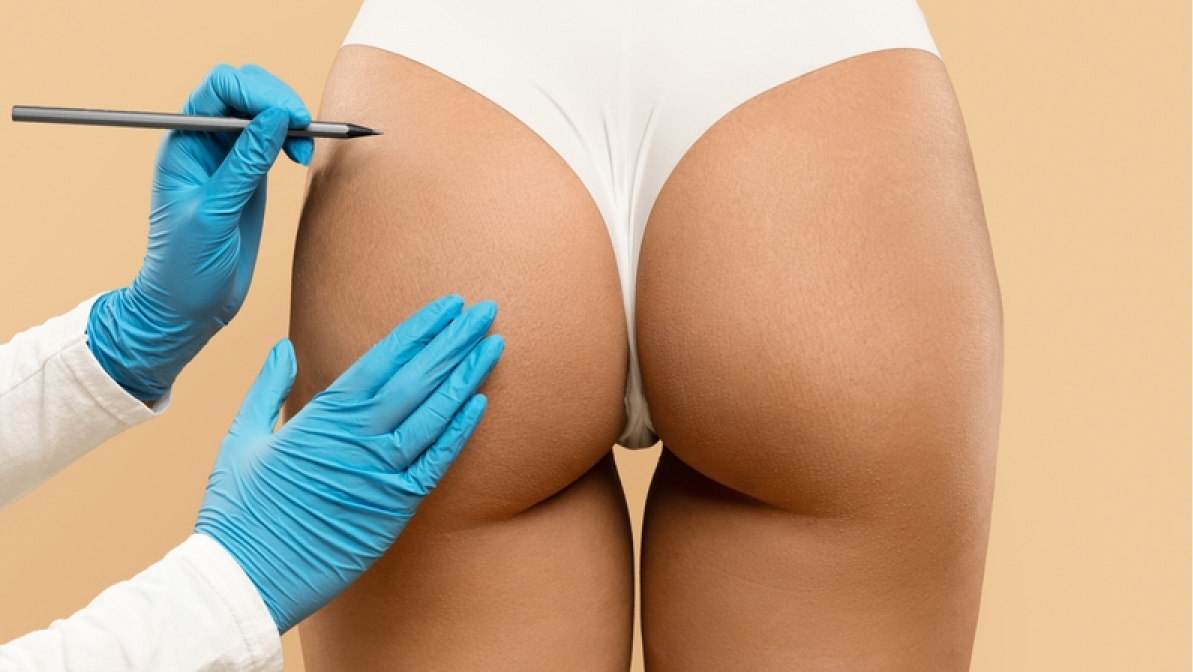
While many people are satisfied with their BBL results, some may choose to reverse the procedure due to changing preferences or complications.
Aesthetic Changes
Over time, personal tastes can evolve. Some individuals may find that their enhanced proportions no longer align with their desired look, prompting them to seek a reverse BBL to achieve a more natural silhouette.
Implant Issues
For patients with implants, complications such as discomfort, shifting, or rejection can occur. In such cases, a BBL removal surgery becomes necessary to address these issues and restore comfort and confidence.
Who Could Benefit from BBL Reversal?
Not every cosmetic procedure ages gracefully with a person’s lifestyle or preferences. Fortunately, a BBL reversal offers a solution for those whose goals have shifted or who are dealing with complications.
Here are some of the people who might benefit from this transformative procedure:
1. People Ready for a Change in Their Appearance
Sometimes, what felt like the perfect enhancement years ago no longer aligns with how you see yourself today. A Brazilian Butt Lift can create dramatic results, but as trends change or personal aesthetics evolve, some may feel their enhanced curves are no longer a fit. A reverse BBL surgery allows individuals to tone down or reshape their look, achieving a more natural or balanced silhouette that suits their current preferences.
2. Those Experiencing Medical Concerns
Complications from a BBL, like fat necrosis (where fat hardens under the skin), asymmetry, or discomfort from implants, can be both frustrating and physically limiting. For individuals dealing with these issues, a BBL reduction surgery can help resolve discomfort and restore their quality of life.
3. Individuals with Irregular Healing or Unwanted Results
Healing after any cosmetic procedure is unpredictable, and sometimes results don’t turn out as expected. Common concerns include uneven fat distribution, dimpling, or unnatural contours. A BBL removal surgery can correct these irregularities, creating a smoother and more harmonious look.
4. Those Seeking a More Proportional Look
For individuals who feel their BBL results overpower the natural balance of their body, BBL reduction surgery can bring back harmony. Restoring proportions can enhance your overall figure, making your body appear more balanced and natural.
If you’re still on the fence about getting a BBL reversal, comparing BBL reversal before and after transformations can help you visualize the potential changes and set realistic expectations.
What Are the Benefits of a BBL Reversal?
BBL reversals provide several key advantages for patients looking to modify their original procedure.
Restoration of Natural Body Proportions
Many patients seek a BBL reduction to achieve a more balanced and natural body contour, enhancing their overall confidence and comfort.
Correction of Deformities or Irregularities
If a BBL has left uneven results or visible deformities, BBL reduction surgery can address these issues, providing a smoother and more symmetrical appearance.
Relief from Health Concerns
Complications like discomfort, skin tightness, or implant-related issues can be alleviated through a BBL removal surgery, significantly improving the patient’s quality of life.
What Are the Risks of a BBL Reduction?
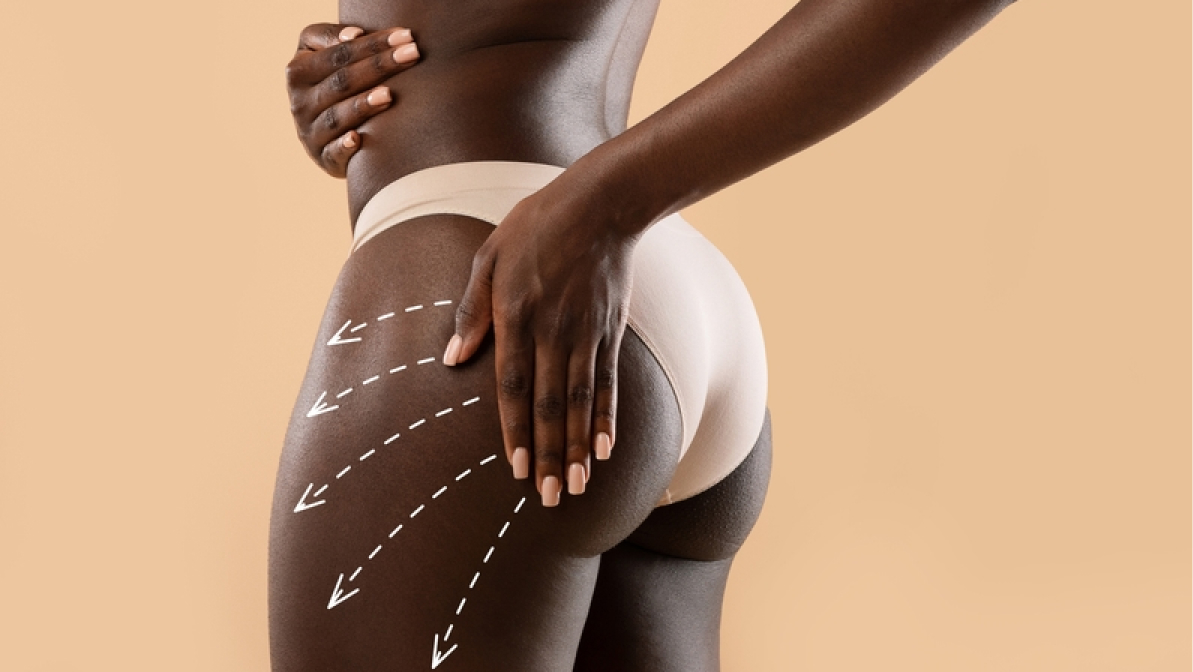
While BBL reduction surgery is generally safe, it carries some potential risks, as with any surgical procedure. Common concerns include general surgical risks like infection, bleeding, anesthesia complications, or blood clots. Healing issues, such as noticeable scarring or uneven contours, can also occur, particularly if proper post-operative care isn’t followed. Fat redistribution may also lead to challenges like fat necrosis (lumps or hardened areas under the skin) or an unexpected loss of volume, which may require further adjustments.
Other risks include:
- Temporary or permanent numbness
- Increased sensitivity, or
- Asymmetry in the treated areas
- Prolonged swelling
- Dissatisfaction with their results, especially if their expectations aren’t clearly aligned with realistic outcomes
To minimize risks, it’s essential to work with an experienced plastic surgeon, follow all recovery instructions, and maintain open communication about your goals and concerns.
Surgical Options for BBL Reversal
Reversing a Brazilian Butt Lift (BBL) often requires a tailored approach depending on the patient’s desired outcome, the initial procedure’s complexity, and their body’s unique anatomy.
Here are the most common surgical options for BBL reversal:
1. Fat Removal via Liposuction
One of the most common techniques for a BBL reduction surgery involves using liposuction to remove excess fat that was originally transferred during the BBL. This procedure carefully extracts fat from the buttocks area, allowing for a more natural and proportionate appearance.
2. Fat Redistribution
Instead of simply removing the fat, some patients opt for fat redistribution. This involves extracting fat from the buttocks and relocating it to other areas, such as the hips or thighs, to create a more balanced and proportionate look. This approach can enhance overall body contour while maintaining a natural aesthetic.
3. Fat Dissolving Injections
For patients seeking a less invasive approach, fat-dissolving injections, such as deoxycholic acid, may be used to gradually reduce the fat in the buttocks. While this option is non-surgical, it may require multiple treatments to achieve the desired results and is best suited for minor adjustments.
4. Implant Removal (If Applicable)
In cases where implants were used instead of or in addition to fat transfer, BBL removal surgery may involve removing these implants. This procedure is often paired with additional contouring techniques, such as liposuction or skin tightening, to restore a natural shape and minimize irregularities.
5. Skin Tightening Procedures
After fat removal, some patients may experience loose or sagging skin. To address this, surgeons may incorporate skin-tightening procedures such as a buttock lift or BodyTite, which use advanced technology to tighten skin and improve elasticity. These techniques can ensure a smoother, more toned appearance after the reversal.
6. Combined Approaches
In some cases, a combination of these techniques may be necessary to achieve the best results. For example, liposuction and skin tightening may be performed together to address both volume and skin laxity, providing a comprehensive solution tailored to the patient’s goals.
What Should You Consider Before Getting a BBL Reversal?
If you’re thinking about a BBL reversal, it’s important to weigh a few key factors to ensure the decision aligns with your goals and circumstances.
1. Your Goals
Be clear about why you want the reversal. Are you seeking a more natural look, addressing complications, or correcting irregularities? Discussing your goals with a qualified surgeon can help you set realistic expectations.
2. Timing
Your body needs time to heal from the original BBL. Most surgeons recommend waiting six months to a year to let the fat settle and fully assess the results before planning a reversal.
3. Choosing the Right Surgeon
Finding an experienced, board-certified plastic surgeon is essential. Their expertise will guide you through the process and ensure you get a personalized plan for the best possible outcome.
4. Health and Recovery
Make sure you’re in good health before undergoing surgery. Understand the risks, such as scarring or changes in skin elasticity, and plan for a recovery period of several weeks.
5. Costs
A BBL reduction is an investment. Be prepared for the costs, which may vary depending on the procedure’s complexity. Many clinics offer financing options to help.
How Long After Getting a BBL Can You Have It Reversed?
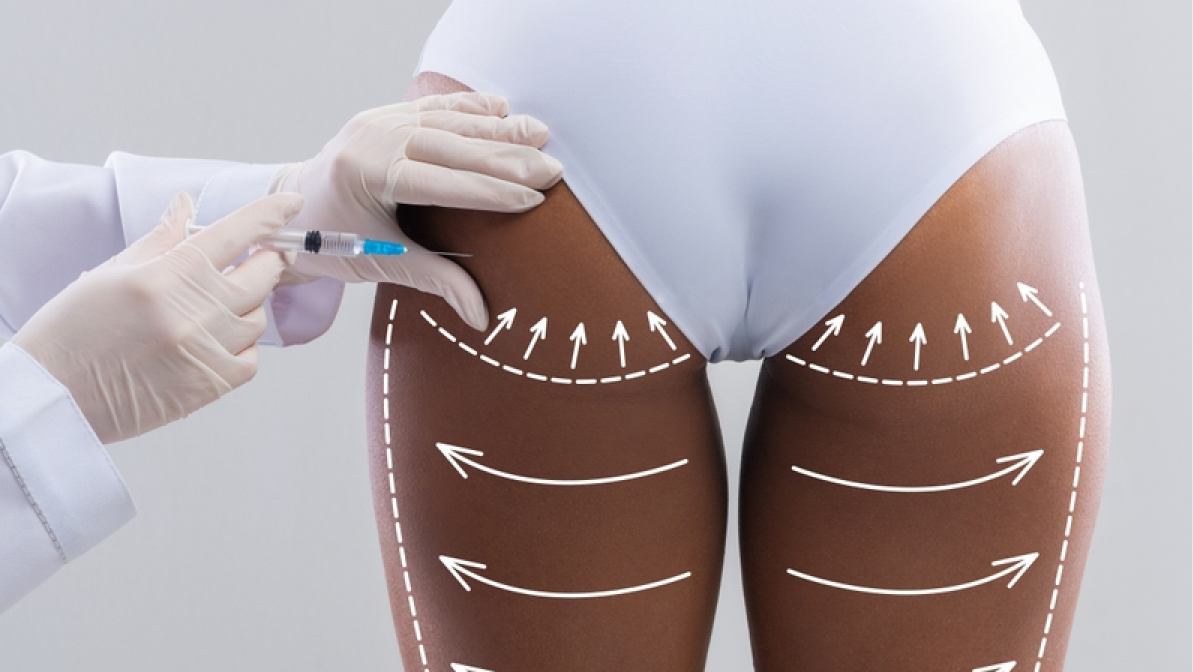
Patients typically need to wait at least six months to one year after their initial BBL to allow the body to fully heal before undergoing a reversal. Your surgeon will evaluate your condition to determine the ideal timing.
How Much Does a BBL Reversal Cost?
The cost of a BBL reversal varies based on factors such as the complexity of the procedure, your location, and the surgeon’s expertise. Consulting with a trusted provider can help you understand the pricing and financing options available.
FAQs
If you’re considering a BBL reduction or reverse BBL surgery, you may have lingering questions about the procedure, recovery, and results. Here are answers to some of the most common concerns.
Are BBL Reversals Successful?
Yes, with an experienced surgeon, BBL reversals typically yield satisfying results that align with the patient’s goals.
Can You Lose Weight to Reverse a BBL?
While weight loss can reduce fat in the area, it won’t specifically target the injected fat. Surgical options are often necessary for complete removal.
When Can I Expect to See BBL Reversal Results?
Initial results are often visible within a few weeks, with full outcomes apparent after the swelling subsides, usually within 3–6 months.
Will a BBL Reversal Leave Excess, Hanging Skin?
In some cases, skin tightening techniques may be necessary to address loose skin following a reversal.
How Does a BBL Reversal Compare to a Butt Lift or BodyTite?
While BBL reversals focus on fat or implant removal, butt lifts, and BodyTite involves lifting or tightening the area to improve contour.
When Will I Be Able to Sit After Getting a BBL Reversal?
Patients can typically resume sitting within 1–2 weeks, but your surgeon will provide specific recommendations based on your recovery.
What If I Gain or Lose Weight After Getting a BBL Reversal?ß
Weight fluctuations can impact results, so maintaining a stable weight is recommended for long-term satisfaction.
Explore Your Options with the Best Plastic Surgeon in Dallas, Texas
Is a BBL reversal right for you? If you’re unhappy with your current results or experiencing complications, a BBL reversal can help you regain comfort and confidence. It’s all about finding the version of yourself that feels authentic and aligned with how you want to look and feel. Always consult with a qualified Dallas BBL plastic surgeon to determine the best approach for your unique situation.
If you’re considering a BBL reversal, consult with an expert like Dr. Bret A. Johnson, MD. Dr. Bret A. Johnson, MD is a trusted name in Dallas, Texas, and Plano, Texas, specializing in personalized surgical solutions, including reverse BBL surgery and BBL reduction surgery.
Dr. Johnson offers financing options to make your transformation more accessible. To learn more, visit Dallas Plastic Surgeon, explore patient resources, or view our body procedures.
Contact Dr. Johnson today to begin your journey toward confidence and comfort!