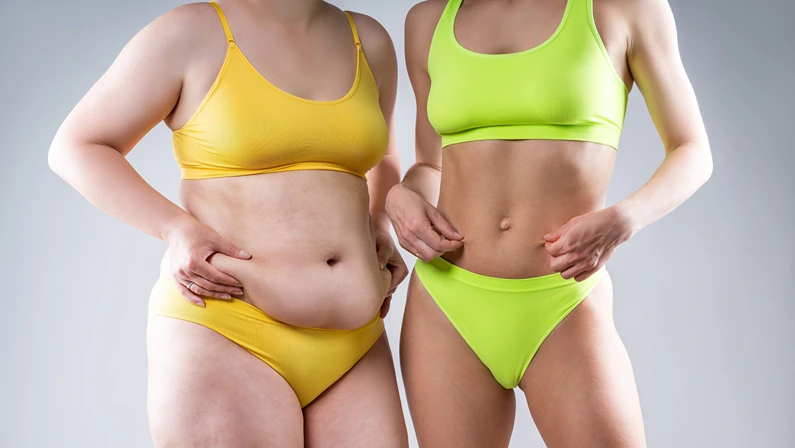
Achieving a flatter, firmer abdomen often becomes challenging after weight fluctuations, pregnancy, or natural aging. Loose skin, weakened abdominal muscles, and stubborn fat pockets can make core strength and body confidence feel out of reach. For individuals seeking a refined, sculpted midsection, abdominoplasty provides long-lasting results that go beyond surface-level improvement.
Patients exploring tummy surgery options quickly discover that there are several techniques designed to match different needs. These procedures vary in incision placement, muscle repair, skin tightening, and overall scope. Understanding the types of tummy tucks available helps patients choose the right path to a smoother, more contoured shape.
What Is a Tummy Tuck?
A tummy tuck, also called abdominoplasty, is a surgical procedure that removes excess skin, tightens abdominal muscles, and restores a stronger, more toned midsection. Surgeons use different approaches based on the patient’s anatomy and goals. The procedure can correct stretched skin, separated muscles, and lower abdominal bulges that exercise cannot address.
Abdominoplasty may also target concerns related to previous pregnancies, weight loss, or aging. It is one of the most effective methods for rebuilding core stability while improving the overall appearance of the abdomen.
Different Types Of Tummy Tuck
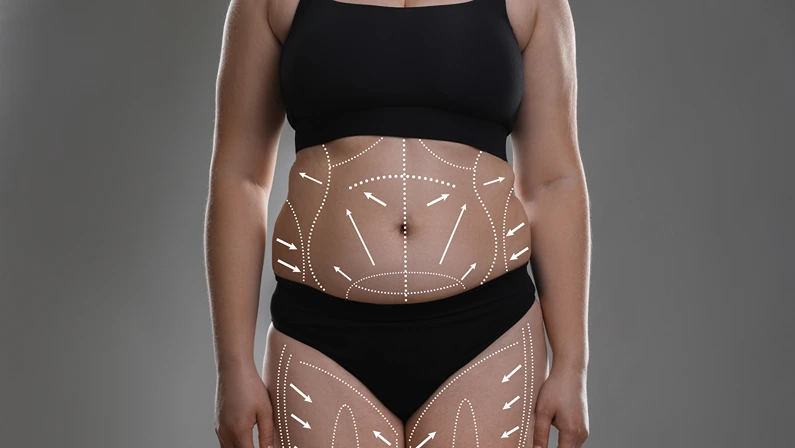
Patients now have many tummy tuck options to choose from. These procedures are designed to address different levels of excess skin, muscle laxity, and body shape. By understanding the available tummy surgery options, patients gain clarity on which technique may achieve their desired outcome.
1. Full Tummy Tuck (Traditional Abdominoplasty)
A full tummy tuck, also known as a standard tummy tuck, is the most common approach for individuals seeking extensive correction. This technique involves tightening the abdominal muscles, removing excess skin, and repositioning the belly button for a natural appearance. It is often recommended for patients with significant skin laxity or weakened muscles after pregnancy.
2. Mini Tummy Tuck
A mini tummy tuck targets the lower abdomen below the belly button. It removes a small amount of excess skin and offers a shorter recovery period. This option suits patients with mild sagging or a stubborn lower belly pooch that does not respond to exercise. It involves a smaller incision and usually does not require repositioning the belly button.
3. Extended Tummy Tuck
An extended tummy tuck offers a broader range of correction compared to traditional procedures. This technique addresses not only the abdomen but also excess skin on the flanks and lower back. Patients who have experienced major weight loss often benefit from this approach because it significantly enhances side and waist contouring.
4. Fleur-de-Lis Tummy Tuck
The fleur-de-lis tummy tuck provides extensive reshaping for individuals with a large amount of excess skin. It uses both vertical and horizontal incisions to remove skin from multiple directions. This allows for dramatic improvement in waist definition and midsection firmness. It is commonly recommended for patients after massive weight loss.
5. Circumferential Tummy Tuck
A circumferential tummy tuck, often performed after large weight loss, removes excess skin and fat around the entire torso. This 360-degree technique lifts and tightens the abdomen, hips, and lower back. It creates an entirely new body contour and offers one of the most transformative results among different tummy tucks.
6. Reverse Tummy Tuck
A reverse tummy tuck focuses on tightening the upper abdomen. Instead of pulling skin downward, the surgeon lifts it upward toward the breast crease. This technique works well for individuals with loose skin on the upper abdominal region that does not improve with exercise.
7. Drainless Tummy Tuck
A drainless tummy tuck uses advanced suturing techniques that eliminate the need for post-operative drains. This approach can reduce discomfort during recovery and support natural tissue healing. Many patients appreciate the convenience and comfort of a drainless technique.
In the middle of the decision-making process, patients often compare these tummy tuck variations to see which one aligns best with their personal goals. Learning how each technique works provides clarity on the most suitable option.
How to Choose the Right Type
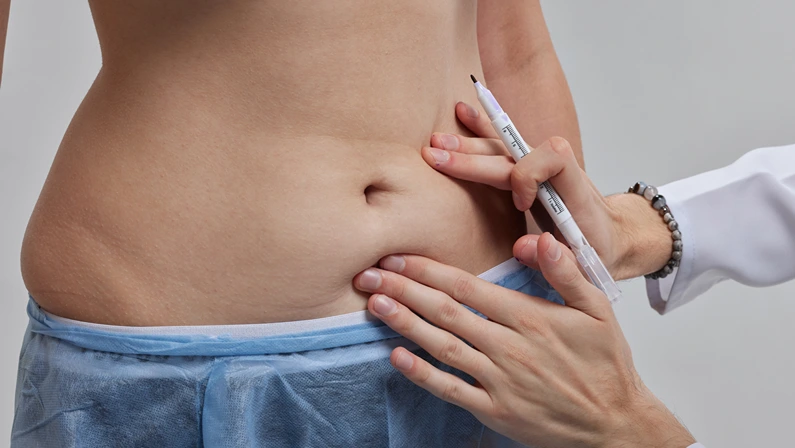
Choosing among the types of abdominoplasty involves careful evaluation of several factors. Surgeons typically recommend the ideal technique based on:
Amount of excess skin
Larger amounts of sagging skin may require an extended tummy tuck, fleur-de-lis technique, or circumferential approach.
Muscle condition
Separation of abdominal muscles may need a full tummy tuck to restore strength.
Body shape and contour goals
Patients looking for waist refinement or dramatic midsection reshaping may benefit from variations that tighten multiple areas.
Incision preference
Some techniques require smaller incisions, which may influence the decision.
Previous surgeries or scarring
Medical history impacts incision placement and technique selection.
Overall health and lifestyle
A patient’s long-term habits, healing capacity, and expectations help determine the most effective solution.
Recovery and Expected Results
Recovery and results vary based on the chosen procedure. Most patients can expect:
- Gradual reduction of swelling: This typically improves over several weeks.
- Return to light activity: Most resume routine tasks within one to two weeks, depending on the technique.
- Stronger core muscles: Muscle tightening enhances strength and stability.
- Improved contour: The abdomen becomes flatter and more toned as the area heals.
- Final results visible over time: The full transformation appears as swelling subsides and tissues settle.
Patients should follow all aftercare instructions to ensure comfort and optimal healing.
Risks and Safety Considerations
Although tummy tuck procedures are generally safe, it is important to understand possible risks. These include:
- Infection: Proper wound care reduces the likelihood.
- Scarring: Incisions create scars that fade over time with proper care.
- Swelling and bruising: These effects gradually improve.
- Temporary numbness: Sensation often returns as nerves heal.
- Seroma formation: Some techniques lower this risk by using advanced suturing methods.
Consulting a qualified surgeon like Dr. Bret Johnson ensures safety and a tailored approach to all tummy surgery options.
Achieving Your Best Midsection with Expert Care
Choosing the ideal technique among the different tummy tucks is a meaningful step toward achieving a smoother, firmer, and more balanced abdomen. By evaluating the various types of tummy tucks, including options such as the extended tummy tuck and other advanced tummy tuck variations, patients gain the knowledge they need to make an informed decision. These insights empower them to select the most suitable treatment path for long-lasting confidence and a refined silhouette.
Patients seeking expert guidance can trust the experience and skill of Dr. Bret Johnson of Dallas Plastic Surgery Institute, who assists individuals in choosing the most appropriate technique among all available tummy tuck options. His patient-centered approach ensures a safe experience and beautiful results that enhance body confidence. Schedule an appointment today!