Blepharoplasty stitches are a crucial part of eyelid surgery recovery, helping incisions heal while minimizing scarring and ensuring the best aesthetic results. Knowing what to expect from stitches on eyelid procedures can ease concerns and help you care for the area properly after surgery.
This guide explains where blepharoplasty stitches are placed, how they are removed, what types are used, and how they affect scarring. It also shares practical care tips and signs to watch for to ensure your recovery progresses smoothly.
What Is Blepharoplasty and When Are Stitches Used?
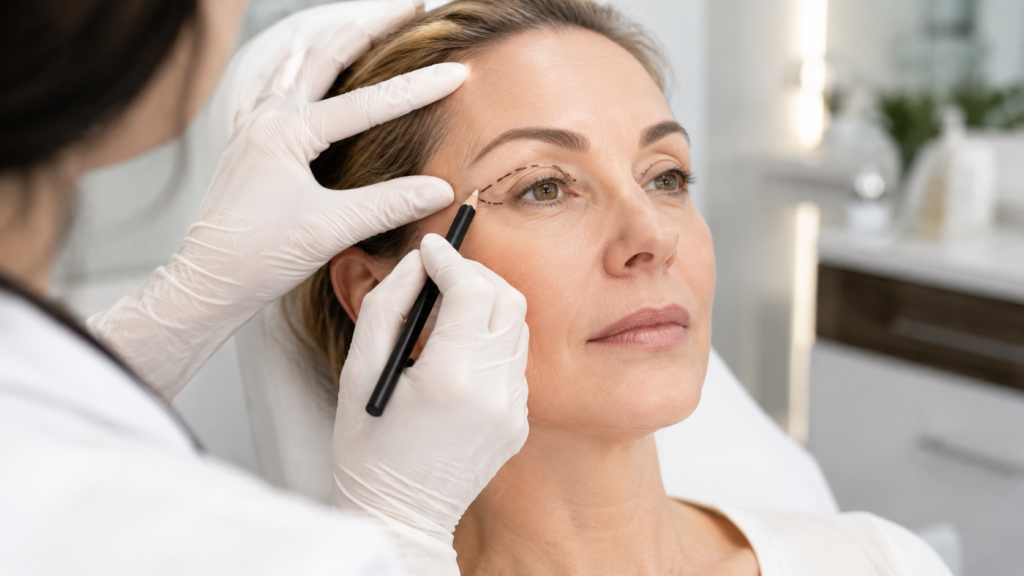
Blepharoplasty is eyelid surgery performed to remove excess skin, fat, or muscle from the upper or lower eyelids for cosmetic or functional reasons. During this procedure, precise incisions are made to achieve a smoother, refreshed appearance while addressing sagging or puffiness around the eyes.
Blepharoplasty stitches are used to close these incisions carefully, supporting the tissue as it heals and helping to reduce scarring. Without proper closure using sutures, the incision would not heal effectively, which can impact your results.
Where Are Stitches Placed During Blepharoplasty?
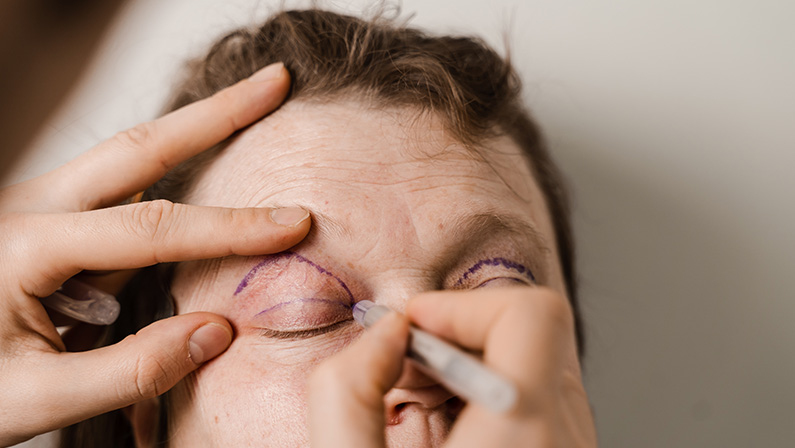
During upper eyelid surgery, upper blepharoplasty stitches are typically placed within the natural crease of the eyelid. This location allows the scar to blend seamlessly into the eyelid’s natural folds, making it less noticeable once healed.
For lower blepharoplasty stitches, placement may be just below the lash line or inside the lower eyelid, depending on the technique used. This ensures effective healing while maintaining a natural contour of the lower eyelid area.
What Types of Stitches Are Used for Eyelid Surgery?
Different types of blepharoplasty sutures are used depending on your surgeon’s technique, your skin type, and the desired results. Each type of stitch plays a role in supporting healing while minimizing discomfort and scarring.
Absorbable (Dissolvable) Stitches
Blepharoplasty dissolving stitches break down naturally over time and do not require manual removal. This can be convenient for many patients, reducing the need for an additional appointment for stitch removal.
Non-Absorbable (Removable) Stitches
Non-absorbable stitches, used in many eyelid surgeries, require removal by your surgeon. Blepharoplasty stitches removal typically occurs within 5 to 7 days after surgery to prevent track marks and to allow for clean healing.
Monofilament vs. Braided Sutures
Monofilament sutures consist of a single smooth strand, making them less likely to harbor bacteria and easier to remove. Braided sutures may provide added strength and flexibility but may require more care to prevent irritation during the healing process.
Common Materials Used
Eyelid surgery stitches may use materials like nylon, polypropylene, or polydioxanone, each chosen for its strength and compatibility with delicate eyelid tissues. Your surgeon will select the material based on your specific procedure and skin characteristics.
Specialized Techniques for Minimal Scarring
Surgeons often use fine suturing techniques with micro stitches to minimize visible scarring after blepharoplasty. The placement and tension of these stitches are carefully managed to promote natural healing while maintaining eyelid shape and symmetry.
How Long Do Blepharoplasty Stitches Stay In?
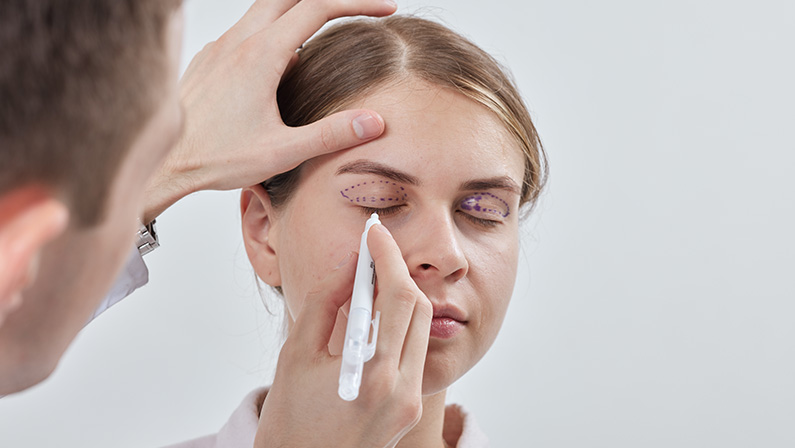
The duration for which blepharoplasty stitches remain depends on the type of suture used. If non-absorbable stitches are used, they are generally removed within 5 to 7 days. For blepharoplasty, dissolvable stitches may dissolve within 7 to 14 days, depending on the type of material used.
Many patients wonder, “how long do stitches take to dissolve?”, and the answer can vary based on your body’s healing rate and the specific sutures used. Eye stitches healing time varies, but most patients notice substantial healing within 2 weeks, with continued improvement over several months.
How Should You Care for Blepharoplasty Stitches?
Proper care for your stitches on the eyelid can help prevent complications and support a smooth recovery process. A consistent care routine minimizes the risk of infection and encourages optimal healing.
1. Keep the Area Clean and Dry
Gently clean around your eyelids with a recommended solution or sterile water to keep the incision area clean. Avoid getting the stitches excessively wet, especially in the first few days.
2. Apply Any Prescribed Ointment
Your surgeon may prescribe an antibiotic ointment to apply to the eyelid surgery stitches to prevent infection and keep the area moisturized. Follow the exact frequency recommended by your surgeon.
3. Avoid Touching or Rubbing the Stitches
Avoid rubbing or touching the area where your blepharoplasty sutures are placed, as this can cause irritation or disrupt the healing process.
4. Sleep With Your Head Elevated
Sleeping with your head elevated helps reduce swelling around your stitches, supporting faster recovery and comfort during the healing phase.
5. Limit Activities That Strain the Area
Avoid heavy lifting, bending, or activities that increase pressure in the head and eye area to prevent strain on your blepharoplasty stitches.
6. Protect the Area From Sun Exposure
Use sunglasses and avoid direct sun exposure to protect the delicate skin around your eyelids while healing. This also helps in reducing the chance of darkening of scars.
7. Don’t Apply Makeup Too Soon
Avoid applying makeup on or near the eyelids until your surgeon confirms it is safe to do so, typically after stitches have been removed or dissolved.
8. Attend Follow-Up Appointments
Follow-up visits with your surgeon ensure that your eye stitches’ healing time is progressing properly and allow for timely removal of stitches if required.
What Are Signs of Problems with Blepharoplasty Stitches?

Monitoring your recovery is essential to catch any potential complications early. While mild redness and swelling are normal, certain symptoms may indicate issues requiring immediate attention.
1. Unusual or Excessive Redness
Excessive redness that extends beyond the incision area may indicate irritation or the early stages of infection.
2. Persistent or Worsening Swelling
While swelling is expected, worsening or persistent swelling beyond the initial healing phase should be evaluated by your surgeon.
3. Signs of Infection
Symptoms such as warmth, increased pain, or yellowish discharge from the site of your blepharoplasty stitches may indicate infection and require prompt treatment.
4. Opening or Separation of the Incision
If the incision begins to open or separate, it is important to contact your surgeon immediately to prevent complications and to support proper healing.
5. Prolonged Bleeding or Oozing
Minor oozing can be normal, but persistent or significant bleeding requires prompt medical attention.
6. Severe Pain That Doesn’t Improve
Severe or worsening pain after eyelid surgery may signal a complication and should be assessed by your surgeon as soon as possible.
How Do Stitches Affect Scarring After Blepharoplasty?
The way blepharoplasty stitches are placed and managed plays a significant role in how scars develop after eyelid surgery. Properly placed stitches align the skin precisely, which helps incisions heal cleanly and minimizes scar visibility. Following your surgeon’s aftercare instructions and protecting the area from sun exposure further reduces the appearance of scars over time.
Trust Your Eyes to a Skilled Specialist
Blepharoplasty stitches are a key part of eyelid surgery, helping incisions heal properly while supporting a smooth and safe recovery. Understanding where these stitches are placed, how long they stay in, and how to care for them can help you feel confident and prepared for your procedure.
If you are considering eyelid surgery and want guidance from the best blepharoplasty surgeon in Dallas, trust your care to Dr. Bret A. Johnson, MD. We offer expert blepharoplasty with meticulous techniques to minimize scarring and deliver natural results you will love. We also offer financing options to make your aesthetic goals more accessible. Contact us today!