Rhinoplasty can transform facial harmony and improve breathing, but many patients have questions about rhinoplasty scarring and how visible it may become. Knowing what to expect with nose surgery scar development helps set realistic expectations and guides your recovery process.
While nose job scarring is often minimal with proper care and an experienced surgeon, understanding the formation, appearance, and treatment options for scar tissue in the nose is essential for maintaining confidence in your results.
How Does Scar Tissue Form After Rhinoplasty?
Scar tissue forms as the body’s natural healing response after nose surgery. During rhinoplasty, incisions allow access to underlying nasal structures, prompting the body to produce collagen to heal these surgical areas. This process creates scar tissue in the nose after rhinoplasty, which usually softens and fades over time with proper care and follow-up.
Where Do Scars Typically Form After Rhinoplasty?
Rhinoplasty scars typically form in hidden areas, such as inside the nostrils during closed procedures or along the columella in open procedures. For most patients, scar tissue inside the nose remains hidden, while the columellar incision often fades into a fine line. If additional incisions are needed near the nostrils, these are strategically placed within natural creases to reduce the visibility of nose job scars.
How Noticeable Are Rhinoplasty Scars Over Time?
For many patients, rhinoplasty scarring becomes nearly imperceptible as healing progresses. Initially, nose job scarring may appear pink or slightly raised, but with time, these areas often flatten and blend with the surrounding skin. With the guidance of an experienced surgeon, nose job scars can heal in a way that supports both aesthetic goals and functional breathing improvements.
What Can You Do to Minimize Rhinoplasty Scarring?
Minimizing rhinoplasty scarring starts with choosing a skilled surgeon and following aftercare instructions carefully. Protect your skin from sun exposure, keep incisions clean, and avoid unnecessary touching or pressure on the nose. Using silicone gel or recommended scar creams may also support nose scar removal and smoother healing, helping reduce the appearance of scar tissue after rhinoplasty.
What Are the Signs of Excessive Scar Tissue Following Rhinoplasty?
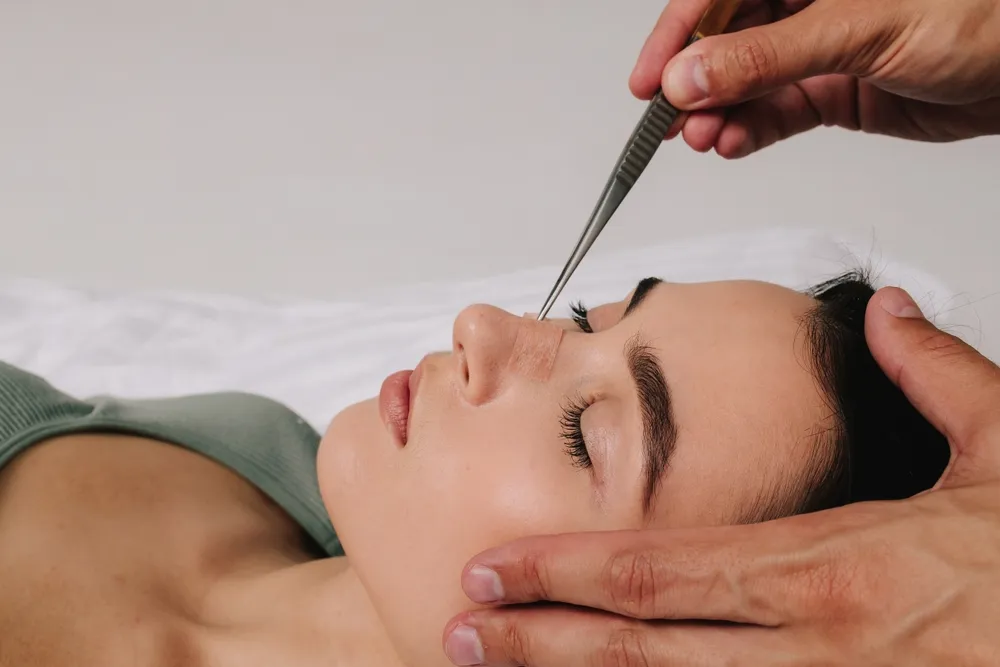
While most rhinoplasty scars heal predictably, some patients develop excessive scar tissue inside the nose or at incision sites, which may affect appearance or breathing. Recognizing these signs early allows for prompt treatment and better outcomes.
1. Soft Tissue Abnormalities
Excessive scar tissue in the nose can cause firm nodules or irregularities beneath the skin. These soft tissue abnormalities may create visible or tactile bumps that can affect your confidence in your rhinoplasty results.
2. Visible Signs of Excess Scarring
Raised, thickened, or discolored rhinoplasty scars may indicate excessive scarring. If a nose surgery scar appears more prominent over time rather than fading, it may require evaluation by your surgeon.
3. Breathing Difficulties
Scar tissue inside the nose can sometimes contribute to nasal obstruction or breathing issues. Scar tissue in the nose after rhinoplasty may affect airflow if it forms unevenly, leading to restricted breathing during recovery. Discussing these concerns with your surgeon can help keep your nasal passages clear while preserving your results.
When Should You Consider Revision or Scar Treatment?
While most nose job scars heal well, there are instances where revision or additional treatments may enhance outcomes and comfort. Being aware of the signs that may prompt further care can help protect your results.
1. If Scars Are More Noticeable Than Expected
If your rhinoplasty scar remains noticeable after a year or affects your facial balance, consulting your surgeon about revision may be appropriate. Minor surgical revisions or scar treatments can refine the area for a smoother appearance.
2. When You Notice Signs of Poor Healing
Delayed healing, persistent redness, or irritation around nose surgery scars may indicate poor healing that requires medical intervention. Your surgeon may recommend treatments to promote healthier healing.
3. If You’re Unhappy With Scar Location or Shape
Sometimes, the location or shape of nose job scarring may not align with your aesthetic goals. Revision procedures can reposition or refine scar placement to achieve a more natural appearance.
4. If Non-Surgical Options Might Improve Appearance
Non-surgical treatments, including laser therapy, microneedling, or steroid injections, can improve the look of nose job scars. These options can help reduce the thickness and discoloration of scar tissue in the nose after rhinoplasty.
How Should You Choose a Surgeon to Reduce Scarring Risk?
Choosing the right surgeon is critical to reducing rhinoplasty scarring and achieving natural-looking results. An informed decision can greatly influence both your recovery experience and long-term satisfaction.
1. Verify Board Certification and Credentials
Ensure your surgeon is board-certified and has specialized training in facial plastic surgery. This certification confirms that they have met high standards for safety and expertise.
2. Look for Proven Experience in Rhinoplasty
Select a surgeon with a track record of performing rhinoplasty procedures successfully. Proven experience reduces the likelihood of complications and excessive scar tissue inside the nose.
3. Review Before-and-After Photos
Examining before-and-after photos helps set realistic expectations for your nose surgery scar healing and outcomes. Look for cases similar to yours to understand potential results.
4. Ask About Surgical Techniques
Discuss the surgical techniques your surgeon uses to minimize nose job scarring. Surgeons who employ meticulous suturing techniques and advanced methods can help minimize scar visibility.
5. Discuss Aftercare Support
Post-surgical care plays a crucial role in the healing process. A surgeon who offers comprehensive aftercare guidance will help reduce scar tissue after rhinoplasty and promote optimal healing.
6. Read Reviews and Testimonials
Reading patient reviews can provide insight into real experiences with nose job scars and satisfaction with results. Look for consistent positive feedback about the surgeon’s care and communication.
Are There Risks or Myths About Rhinoplasty Scars?
Many patients worry that rhinoplasty scarring will be highly visible, but this is often a myth. In most cases, nose job scars are discreet, and even visible incisions typically fade significantly over time. However, there is always a risk of developing thicker or raised scars, which can be managed with treatments like nose scar removal or scar revision if needed.
Your Journey to Confident Healing
Understanding rhinoplasty scarring can help you feel confident as you plan your nose surgery journey. Scarring is a natural part of healing, and with proper care, the appearance of nose job scarring often becomes minimal while preserving the beautiful results of your procedure.
Dr. Bret A. Johnson, MD, recognized as the best rhinoplasty surgeon in Dallas, delivers natural results while prioritizing patient comfort and aesthetic goals. We offer personalized care and financing options to make your journey accessible while ensuring your nose job scars heal optimally. Schedule a consultation today!