Going under the knife for a liposuction does not end after the surgery. The recovery time for liposuction is also a crucial part of your journey.
Focusing on post-operative care is as important as your prepping process.
This article tackles the expected timelines after liposuction and the tips you need to know for smoother recuperation.
What Is the Recovery Time for Liposuction?
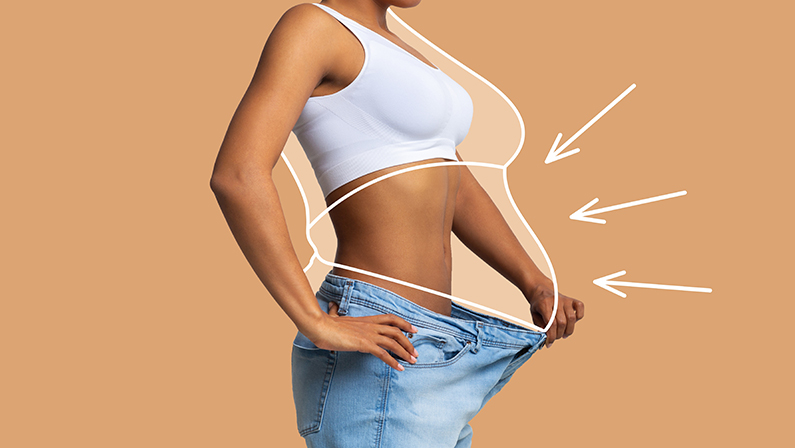
If you want to know how long does it take to recover from liposuction, the answer actually depends on your body and how you handle your post-op recovery.
The average recovery time for liposuction encompasses various phases. In the initial 48 hours, expect discomfort, swelling, and bruising, mitigated by adhering to post-operative guidelines.
The first week introduces a reduction in swelling, allowing a return to light activities. Weeks two to four witnessed a significant decrease in swelling, prompting a potential resumption of normal activities.
Months one to three mark the final stages, with minimal swelling and optimal results becoming apparent. Long-term recovery underscores the importance of maintaining a healthy lifestyle.
Timeline for Recovery After Liposuction
Here are the distinct phases in your liposuction recovery.
- The First Three Days. In the initial three days post-liposuction, patients often encounter the immediate aftermath of the procedure. Expect discomfort, swelling, and bruising during this period. On top of these, rest and limited physical activity are recommended to facilitate an optimal healing environment.
- Weeks 1-2. As the first week unfolds, noticeable reductions in swelling and bruising occur. You can now gradually reintroduce light, non-strenuous activities while maintaining a focus on rest and recovery. In this phase, you’ll also see a transition towards returning to your normal routine. However, careful monitoring of progress during follow-up appointments will still be required by your doctor.
- Weeks 3-5. Entering weeks three to five, a significant reduction in swelling can now be observed. While many individuals can resume daily activities, it is essential to avoid strenuous exercises during this period.
- Week 6 and Beyond. Beyond week six, residual swelling is minimal, and the full effects of liposuction become evident. Patients can appreciate the optimized results, but it is paramount to sustain a healthy lifestyle with regular exercise and a balanced diet.
Best Liposuction Recovery Tips
Here are tips to enhance your healing process and achieve optimal results.
- Eat Well. A balanced, nutritious diet is foundational to the recovery process. Focus on foods rich in vitamins, minerals, and protein to support your body’s healing mechanisms. Incorporate lean proteins, fruits, vegetables, and whole grains while avoiding excessive salt and processed foods.
- Stay Hydrated. Proper hydration is key to promoting healing and reducing the risk of complications. Drink an ample amount of water throughout the day to help flush out toxins, minimize swelling, and maintain overall bodily functions.
- Rest Up. Rest is a fundamental component of the recovery process. Allow your body the time it needs to heal by getting sufficient sleep and incorporating periods of rest throughout the day.
- Take a Walk. While rest is crucial, light physical activity can be beneficial. Short, gentle walks can aid in preventing blood clots, improving circulation, and reducing swelling. Consult with your surgeon to determine the appropriate level of activity based on your specific recovery progress.
- Ask for Help. Recovery from liposuction may necessitate assistance, especially during the initial days. Don’t hesitate to lean on friends or family for support with daily tasks.
Do’s And Don’ts During Recovery After Liposuction
The recovery phase post-liposuction requires a careful balance of actions to ensure optimal healing.
Here are essential do’s and don’ts to guide you through this crucial period.
Dos

- Follow Post-Operative Instructions: Adhering to your surgeon’s guidelines is paramount. This includes wearing compression garments, taking prescribed medications, and attending follow-up appointments to monitor progress, ensuring a smooth recovery.
- Maintain a Healthy Diet: Consume nutrient-rich foods to support your body’s healing processes. Opt for a balanced diet with ample fruits, vegetables, lean proteins, and whole grains to promote overall well-being and aid in recovery.
- Stay Hydrated: Adequate hydration is crucial for optimal healing. Drinking plenty of water helps reduce swelling, flush out toxins, and support your body’s recovery processes. Ensure you stay well-hydrated throughout the recovery period.
- Gradually Resume Physical Activity: While rest is essential, incorporating light, gentle activities like short walks can enhance circulation and prevent complications. Consult with your surgeon to determine the appropriate level of physical activity based on your recovery progress.
- Communicate with Your Healthcare Provider: If you experience any concerns or unusual symptoms during recovery, promptly communicate with your healthcare provider. Regular communication ensures that any potential issues are addressed promptly, contributing to a successful recovery.
Don’ts
- Don’t Ignore Swelling or Discomfort: Persistent swelling or discomfort should not be ignored. If you notice unusual symptoms, consult with your healthcare provider to rule out any complications. Early intervention can prevent potential issues and promote a smoother recovery.
- Skip Medications or Follow-Up Appointments: Consistency with prescribed medications and attending follow-up appointments is crucial for a successful recovery. Skipping medications or appointments can compromise the healing process and lead to complications.
- Limit Alcohol Consumption: Alcohol can interfere with the healing process and increase the risk of complications. Limit or avoid alcohol consumption during the recovery period to support optimal healing and minimize potential risks.
- Avoid Tight Clothing: While compression garments are recommended, excessively tight clothing can hinder blood circulation and impede the recovery process.
Liposuction Post OP Risks and Complications
While liposuction is generally considered safe, understanding potential post-operative risks and complications is crucial for informed decision-making.
- Infection: Post-operative infections are a rare but serious risk. Maintaining proper hygiene, following wound care instructions, and promptly addressing any signs of infection, such as redness or swelling, can mitigate this risk.
- Bruising and Swelling: Expected after liposuction, excessive bruising and swelling can sometimes indicate a concern. While mild bruising is normal, persistent or worsening symptoms should be reported to your healthcare provider for further evaluation.
- Fluid Accumulation (Seroma): Fluid accumulation under the skin, known as a seroma, is a potential complication. Following post-operative care instructions, such as wearing compression garments, helps minimize this risk by promoting proper drainage and preventing fluid buildup.
- Irregularities in Contour: In some cases, irregularities in the contour of the treated area may occur. This could include lumpiness or unevenness. While it’s often temporary, communicating any concerns with your surgeon allows for prompt evaluation and potential corrective measures.
- Numbness or Changes in Sensation: Temporary numbness or changes in sensation may occur in the treated areas. While this is generally expected, any persistent or concerning alterations in sensation should be discussed with your healthcare provider to ensure appropriate monitoring and intervention.
When To Seek Medical Help About Recovery After Liposuction
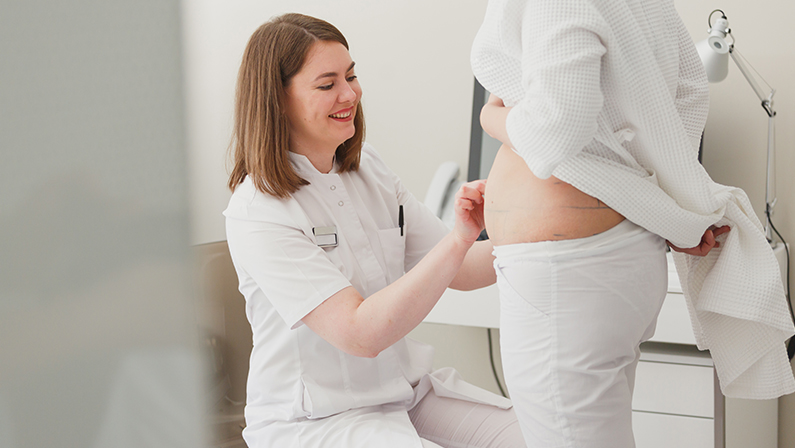
While liposuction recovery typically follows a predictable trajectory, there are instances where seeking medical assistance is crucial.
You may experience persistent, worsening, or unexpected symptoms such as excessive swelling, severe pain, signs of infection, or irregularities in the treated area.
Additionally, any concerns regarding changes in sensation, persistent numbness, or unexpected complications merit immediate attention.
FAQs About Recovery After Liposuction Surgery
Still looking for more information about post-operative care? These are the answers to your most common liposuction recovery questions:
How long will pain last after liposuction?
Post-operative pain varies, with most experiencing discomfort for the initial days. Pain typically diminishes gradually, and any persistent or worsening pain should be discussed with your healthcare provider.
When can I start walking after liposuction?
Gentle walking is encouraged soon after the procedure to enhance circulation. Consult with your surgeon for personalized advice based on your recovery progress.
What happens if you don’t wear a compression garment after liposuction?
Wearing a compression garment aids in reducing swelling and promoting optimal results. Failure to wear it as instructed may lead to increased swelling and potential complications.
How soon after lipo can I exercise?
The timeline for resuming exercise varies. Generally, light activities can be reintroduced after a few weeks, but consult your surgeon for personalized recommendations based on your recovery.
How often should you massage your lymphatic system after liposuction?
Lymphatic massages are often recommended in the postoperative period. The frequency may vary, and following your surgeon’s guidance for the optimal massage routine is advisable.
How long do you have to wear a compression garment after lipo?
The duration of wearing a compression garment varies but is typically recommended for several weeks to support healing from lipo and reduce swelling.
How long does the swelling last after liposuction?
Swelling gradually subsides over weeks to months. While initial swelling decreases significantly in the first few weeks, complete resolution may take several months.
When can I sleep on my side after liposuction?
Sleeping positions may be limited initially, but consult your surgeon for personalized advice. Generally, side sleeping becomes more comfortable as healing progresses.
How long do you keep drains in after lipo?
Drain removal timing depends on individual cases and the extent of the procedure. Your surgeon will determine when it’s appropriate to remove drains.
Is it better to sit or lay down after liposuction?
Finding a comfortable position is essential; however, avoid prolonged sitting or lying down to prevent complications.
How soon can I shower after lipo?
Showering guidelines vary but are typically allowed a day or two after the procedure. Follow your surgeon’s instructions for a safe and effective post-operative hygiene routine.
Smooth and Seamless Liposuction Journey with Dr. Bret Johnson
The recovery phase after liposuction involves patience, adherence to post-operative guidelines, and a keen understanding of the process.
Regular communication with your healthcare provider is key, ensuring that concerns are promptly addressed for a smoother recovery.
As a leading liposuction and cosmetic surgery expert, Dr. Bret A. Johnson has a wealth of experience and a reputation for achieving outstanding results.
Dr. Johnson’s practice is located in Dallas, Texas, and Plano, Texas, where you can get personalized care and innovative techniques for those seeking transformative and safe liposuction and other cosmetic procedures.
If you’re considering liposuction and desire the expertise of a seasoned professional, schedule a consultation with Dr. Bret A. Johnson.
Experience exceptional care and achieve your aesthetic goals in the welcoming atmosphere at his Dallas and Plano, Texas clinics. Contact us today to enhance your confidence and well-being.