Breast augmentation remains one of the most commonly performed cosmetic surgeries worldwide, but its popularity naturally raises an important question for patients considering the procedure: are breast implants safe? With countless online opinions, personal anecdotes, and headlines highlighting both success stories and complications, understanding the real medical perspective is essential.
Safety in cosmetic surgery is not just about the operation itself. It also involves long-term health, implant durability, and the body’s response over time. This article explores the science, risks, benefits, and expert guidance behind breast augmentation so patients can make informed, confident decisions without fear-based misinformation.
What Does “Safe” Mean When It Comes to Breast Augmentation?
In medical terms, safety means minimizing risk while achieving predictable, healthy outcomes. Doctors evaluate safety differently from cosmetic success. A result may appear aesthetically pleasing but still pose medical risks if complications arise later.
Short-term surgical safety focuses on infection prevention, bleeding control, and proper anesthesia management. Long-term safety encompasses implant integrity, immune response, and the potential for future surgeries. Regulatory bodies like the FDA continuously review implant data, clinical studies, and adverse event reporting to assess breast enhancement risks. Their findings show that breast implants are approved medical devices when used appropriately, but they are not lifetime devices and require ongoing monitoring.
Is Breast Augmentation a Good Idea for Everyone?
Breast augmentation is a personal decision, but it is not universally appropriate. While many patients enjoy long-lasting satisfaction, others face physical or emotional challenges. Understanding an individual’s health history, expectations, and tolerance for potential side effects of breast augmentation is critical to determining suitability. A thorough consultation helps identify reasons not to get breast implants when risks outweigh benefits.
What Are the Risks of Breast Augmentation Surgery?
Every surgical procedure carries some degree of risk. Breast augmentation risks can be grouped into surgical, implant-related, and systemic concerns. Risks vary based on implant type, placement above or below the muscle, surgical technique, and patient anatomy.
Common short-term surgical risks
Includes infection, bleeding, delayed wound healing, and anesthesia reactions. These are typically manageable when surgery is performed by an experienced, board-certified surgeon.
Implant-specific risks
Includes capsular contracture, visible rippling, implant displacement, and a ruptured breast implant. Patients often ask, can a ruptured breast implant kill you? In most cases, rupture is not life-threatening, but it can cause inflammation, pain, or cosmetic distortion that requires surgical correction.
Rare but serious concerns
Includes Breast Implant-Associated Anaplastic Large Cell Lymphoma and systemic symptoms sometimes referred to as breast implant illness. These dangers of breast implant usage are uncommon but documented.
How Common Are Complications From Breast Implants?
Long-term clinical data show that many patients will experience at least one complication within 10 to 15 years. Revision surgery rates increase over time due to implant aging, cosmetic changes, or medical issues. This does not mean every patient will have a bad boob job, but it highlights the importance of realistic expectations.
Complication rates differ significantly based on lifestyle factors, smoking status, immune health, and surgeon expertise. Patients who follow post-operative instructions closely tend to experience fewer breast augmentation side effects.
Who Is a Poor Candidate for Breast Augmentation?
Some individuals face higher breast enhancement risks and may be advised against surgery.
Poor candidates often include:
- Patients with untreated autoimmune disorders
- Individuals with unrealistic aesthetic expectations
- Those unwilling to accept future surgeries
- Active smokers are unwilling to quit
- Patients with chronic infections or poor healing capacity
What Is the Safest Type of Breast Implant?
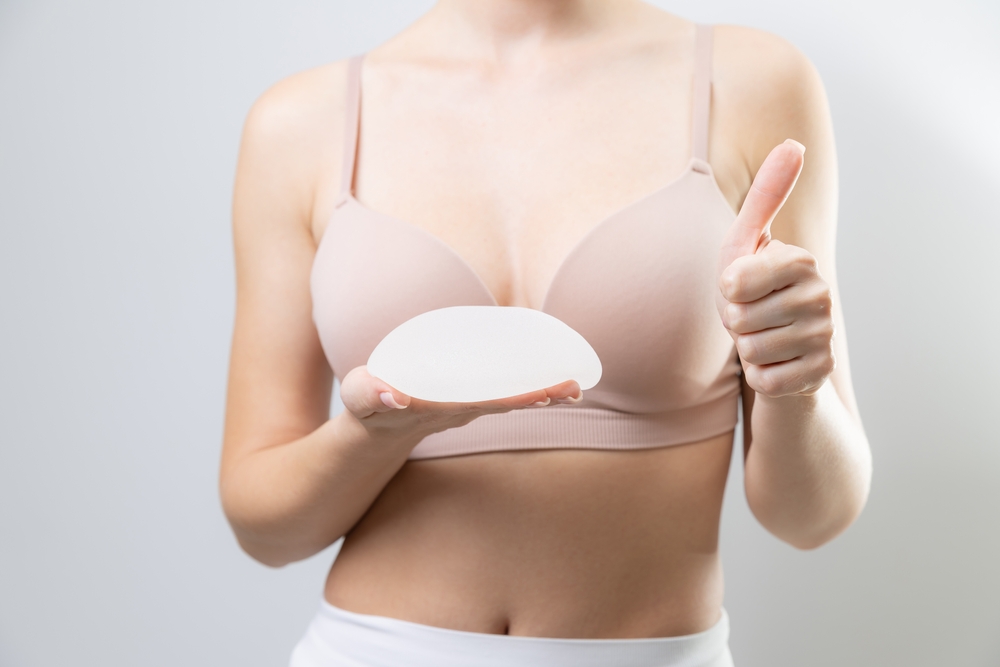
No implant is completely risk-free. Silicone implants generally offer a more natural feel, while saline implants allow immediate detection if a ruptured breast implant occurs. Both types are FDA-approved and considered safe when placed correctly. Textured implants are less commonly used due to a higher association with specific complications, while smooth implants are more commonly chosen for safety and aesthetics.
What Is the Safest Way to Enlarge Breasts?
Surgical augmentation remains the most predictable option. Fat transfer offers a non-implant alternative but comes with limitations in size increase and long-term retention. Non-surgical fillers are not FDA-approved for breast enlargement and carry significant dangers of breast implant alternatives when misused. Choosing an experienced surgeon is the most critical safety factor regardless of method.
How Long Does Breast Augmentation Last?
Breast implants are not permanent devices. Most last between 10 and 20 years, but some require earlier replacement due to rupture, capsular contracture, or cosmetic changes. Monitoring for symptoms of your body rejecting breast implants, such as chronic pain, swelling, or systemic fatigue, is essential for long-term safety.
How Can You Reduce the Risks of Breast Augmentation?
Preparation and professional care significantly lower risks. Patients who actively participate in their care experience fewer breast augmentation complications.
- Choose a board-certified plastic surgeon
- Follow all pre- and post-operative instructions
- Maintain regular implant checkups and imaging
- Avoid smoking and manage chronic conditions
- Address concerns early to prevent progression
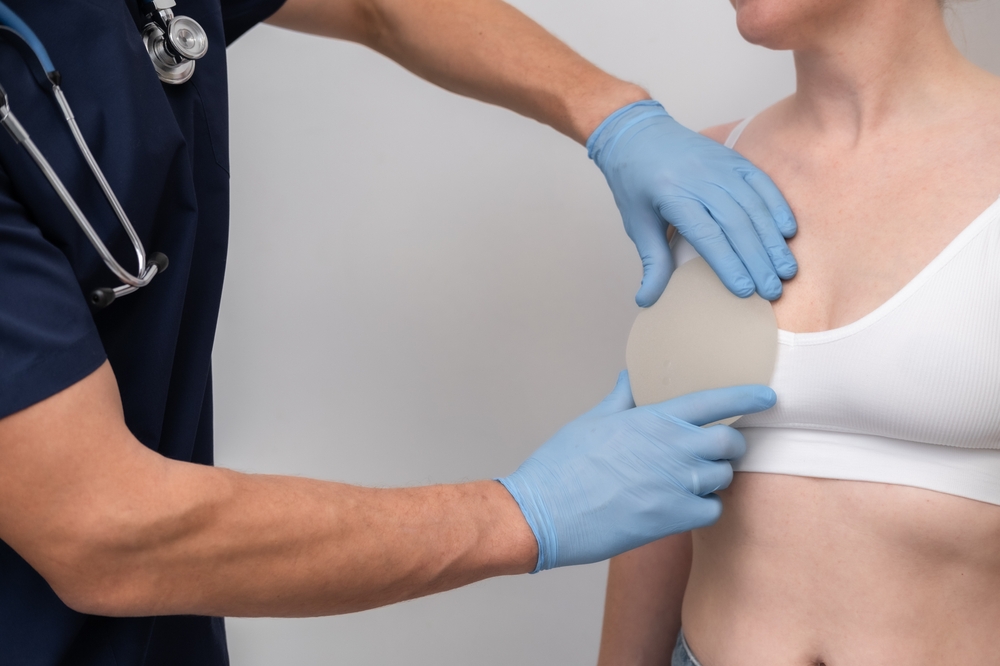
What Do Medical Experts and Regulators Say About Breast Implant Safety?
Medical experts agree that breast augmentation is safe for appropriately selected patients. Regulatory agencies emphasize informed consent, transparency about risks, and long-term monitoring. Surgeons like Dr. Bret Johnson prioritize patient education and individualized planning to minimize breast augmentation side effects while achieving natural results.
Is Breast Augmentation Worth the Risk?
For many patients, the benefits of improved confidence and body satisfaction outweigh potential risks. The key lies in understanding the realities of surgery and committing to ongoing care rather than expecting a permanent, maintenance-free solution.
Making a Confident, Informed Decision About Breast Augmentation
Breast augmentation can be a safe and rewarding procedure when approached with knowledge, caution, and expert guidance. Understanding the risks of breast augmentation, recognizing warning signs early, and choosing a skilled surgeon all contribute to better outcomes. Patients considering augmentation mastopexy in Dallas, TX, benefit from advanced techniques that prioritize both aesthetics and safety.
Dr. Bret Johnson is known for his patient-centered approach, emphasizing education, transparency, and personalized surgical planning. For patients concerned about cost, we also offer financing options to make high-quality care more accessible without compromising safety. With the right information and medical support, patients can move forward confidently and responsibly. Book an appointment today!