When considering a tummy tuck, one of the most common questions patients ask is, “Is abdominoplasty safe?” With nearly 130,000 abdominoplasties performed each year in the United States alone, it’s clear that many people find the benefits of this procedure appealing. However, like any surgery, abdominoplasty comes with its own set of risks and potential complications. This guide will help you understand these factors so you can make an informed decision and set realistic expectations for the procedure.
What is a Tummy Tuck (Abdominoplasty)?
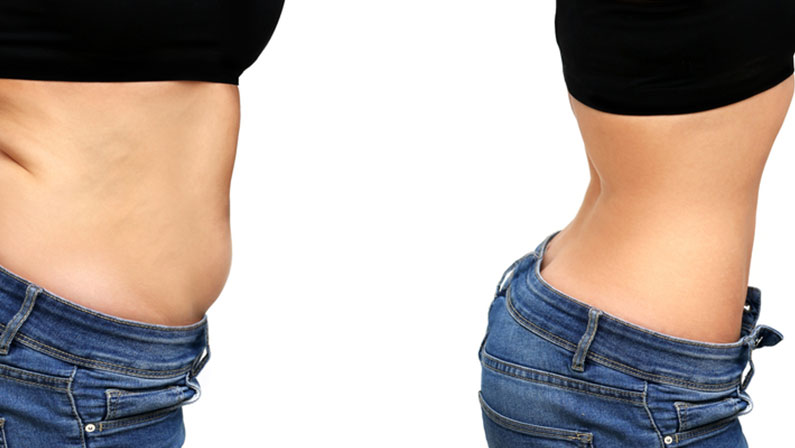
Abdominoplasty, commonly referred to as a tummy tuck, is a cosmetic surgical procedure designed to remove excess skin and fat from the abdominal area while tightening the underlying muscles. The goal is to create a firmer, smoother abdominal profile. Many individuals seek this procedure after significant weight loss or pregnancy. However, this can also lead to loose skin and weakened abdominal muscles.
What Are the Risks and Potential Complications of a Tummy Tuck?
How risky is a tummy tuck?
Like any surgical procedure, a tummy tuck comes with certain risks. Being aware of possible abdominoplasty side effects or potential complications can help you better prepare for the surgery and take necessary precautions to minimize the likelihood of adverse outcomes.
1. Infection
One of the most common risks associated with a tummy tuck is infection. While surgical sites are typically cleaned and monitored carefully, there is always a chance for bacteria to enter the wound. Signs of infection include increased redness, swelling, and discharge at the incision site, as well as fever. Antibiotics and proper wound care are essential for minimizing this risk.
2. Scarring
Scarring is an inevitable part of the healing process after a tummy tuck. While most surgeons make every effort to place incisions in less visible areas and use techniques to minimize scarring, some individuals may be predisposed to keloid or hypertrophic scars. Proper post-operative care, such as using silicone sheets and keeping the scar protected from the sun, can help improve its appearance over time.
3. Bleeding
Excessive bleeding, known as hematoma, can occur after the surgery, particularly if the patient has certain medical conditions or is taking medications that affect blood clotting. While minor bleeding is expected, severe bleeding can cause complications and may require additional surgical intervention.
4. Blood Clots
Blood clots, or deep vein thrombosis (DVT), are a serious potential complication of abdominoplasty. DVT can develop in the legs and, in rare cases, travel to the lungs, causing a life-threatening condition called pulmonary embolism. To prevent blood clots, surgeons often recommend early ambulation and the use of compression garments.
5. Delayed Healing
Some individuals may experience delayed wound healing, especially if they have underlying health conditions like diabetes or are smokers. This can lead to wound breakdown, infection, or more noticeable scarring. Following all post-operative instructions and maintaining good overall health are critical to promoting proper healing.
6. Seroma
Seroma is the accumulation of fluid under the skin after surgery, which can cause swelling and discomfort. While small seromas often resolve on their own, larger ones may need to be drained using a needle or a minor surgical procedure.
7. Skin Loss
In rare cases, inadequate blood supply to the skin can result in skin loss or necrosis. This is more likely to occur in patients who smoke or have a history of vascular problems. Immediate medical attention is required if skin necrosis is suspected.
8. Changes in Sensation
Temporary numbness or a change in sensation around the incision site is common after a tummy tuck. In most cases, normal sensation returns within a few months, but some patients may experience long-term or permanent changes in skin sensitivity.
9. Asymmetry or Unfavorable Aesthetic Outcomes
Achieving perfect symmetry can be challenging in cosmetic procedures. Some patients may experience asymmetrical results, or the final outcome may not meet their expectations. While minor issues can often be corrected with non-surgical treatments or revision surgery, managing expectations is key.
10. Anesthesia Risks
General anesthesia, which is typically used during a tummy tuck, carries its own set of risks, including allergic reactions, respiratory complications, and even heart issues. It is important to discuss your medical history and any known allergies with your anesthesiologist before the procedure.
11. Potential Need for Revision Surgery
Some patients may require revision surgery to address complications or improve the aesthetic outcome. This is more common in cases where the initial procedure did not yield the desired results, or if there were complications during the healing process.
12. Emotional Impact
Undergoing a significant cosmetic surgery like a tummy tuck can have an emotional impact on patients. Some individuals may experience feelings of anxiety or depression during the recovery period, especially if complications arise or if they are dissatisfied with the results.
How Can Patients Minimize Risks Before Surgery?
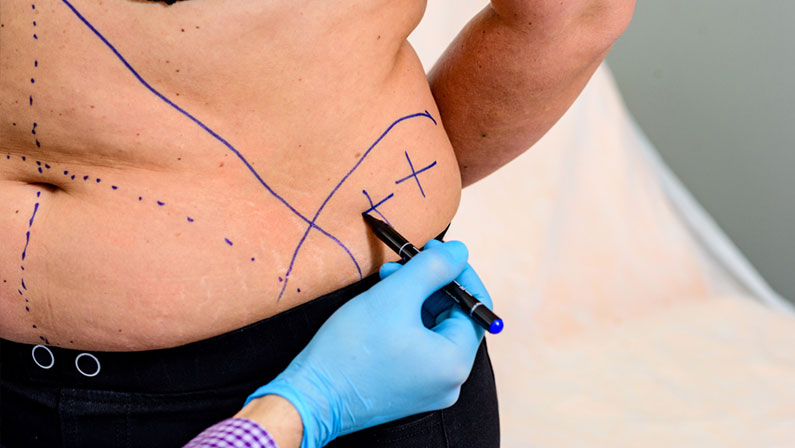 While risks are inherent in any surgical procedure, there are steps patients can take to minimize the chances of complications and ensure a smoother recovery.
1. Choose a Qualified and Experienced Surgeon
Selecting a board-certified plastic surgeon with extensive experience in abdominoplasty is one of the most important factors in reducing surgical risks. An experienced surgeon will have a thorough understanding of the procedure and be able to handle any complications that may arise.
2. Be Transparent About Your Medical History
Provide your surgeon with a complete and accurate medical history, including any medications, supplements, or conditions that could affect the surgery or recovery process. This will help your surgeon make informed decisions and minimize potential complications.
3. Maintain a Healthy Lifestyle
A balanced diet and regular exercise can help optimize your body for surgery and enhance your overall health. Being at a stable weight and having good muscle tone can also improve the outcome of your tummy tuck.
4. Avoid Smoking and Alcohol
Smoking and alcohol can significantly impact your body’s ability to heal and increase the risk of complications. It’s recommended to stop smoking and limit alcohol consumption several weeks before and after the procedure.
5. Follow Pre-Operative Instructions
Your surgeon will provide specific pre-operative instructions, such as avoiding certain medications, fasting before surgery, and arranging for someone to drive you home. Adhering to these guidelines is crucial for a safe and successful procedure.
6. Arrange for Support and Care
Ensure you have someone to help you during the initial recovery period, as you will need assistance with daily activities and wound care.
7. Prepare Your Recovery Space
Set up a comfortable recovery area at home with essentials like pillows, medication, water, and entertainment options to make your recovery period as smooth as possible.
8. Discuss Concerns and Expectations
Having open and honest communication with your surgeon about your concerns, goals, and expectations will help align both parties and reduce the risk of misunderstandings or dissatisfaction with the results.
9. Practice Stress Management Techniques
Managing stress through relaxation techniques like deep breathing or meditation can promote a better mindset going into surgery and support your body’s healing process.
What Should You Expect During the Recovery Process?
After your tummy tuck, you’ll need to take it easy for a while. You might experience some swelling, bruising, and a bit of pain, which are all normal side effects of tummy tucks. Just follow your doctor’s advice and rest up, and you’ll be on the road to recovery in no time.
Who is a Good Candidate for Abdominoplasty?
Ideal candidates for abdominoplasty are individuals in good overall health who are at or near their goal weight and have realistic expectations for the outcome. They should not smoke, and it’s important that they are committed to maintaining a healthy lifestyle post-surgery to preserve the results.
How Does the Experience of the Surgeon Impact Safety?
The experience of the surgeon plays a critical role in the safety and success of an abdominoplasty. Surgeons who specialize in this procedure are more likely to use advanced techniques that minimize tummy tuck risks. This expertise can be the difference between a safe, smooth surgery and potential issues.
What Are the Long-Term Safety Considerations?
To keep your tummy tuck looking good for years to come, it’s important to maintain a healthy weight and lifestyle. You should also see your surgeon for follow-up appointments. If you have big changes in your weight or get pregnant, you might need additional procedures.
It’s also worth noting that while tummy tucks can be very effective, they’re not a magic bullet. The results of the surgery can be affected by factors such as your body’s natural aging process and lifestyle changes. By taking good care of yourself and following your doctor’s advice, you can help ensure long-lasting results.
Are There Alternatives to Abdominoplasty?
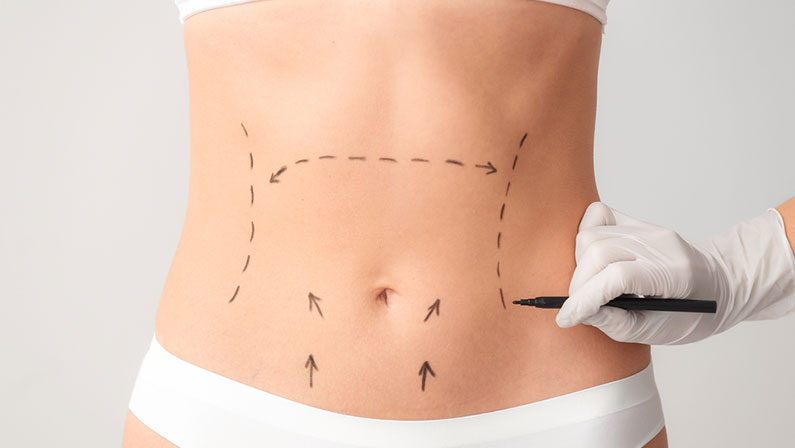
If you’re not ready for surgery, or if you are concerned about the potential complications of a tummy tuck, there are some non-surgical options to consider. CoolSculpting, liposuction, and body contouring treatments can help reduce fat and improve your body shape. However, these treatments can’t address excess skin or repair underlying muscles like a tummy tuck can.
It’s important to consult with a qualified plastic surgeon to discuss your goals and determine the best option for you. They can help you weigh the pros and cons of different procedures and make an informed decision.
What Do Patients Say About the Safety of Abdominoplasty?
Many people who’ve had tummy tucks are happy with the results. But it’s important to do your research and find a surgeon you trust. You can read online reviews and testimonials to get a sense of what other people’s experiences have been like.
Remember, every person’s experience is different. What works for one person may not work for another. It’s important to consult with a qualified plastic surgeon to discuss your goals, potential dangers of tummy tucks, and determine if a tummy tuck is the right procedure for you.
Choosing the Right Surgeon for a Safe Abdominoplasty
When it comes to a tummy tuck, you want to make sure you’re in good hands. A skilled plastic surgeon can help you achieve the results you’re looking for while minimizing risks.
Dr. Bret A. Johnson, MD, a board-certified plastic surgeon based in Dallas, Texas, and Plano, Texas, is highly experienced in performing abdominoplasties and other procedures. They also offer financing options to help make this life-changing procedure more accessible if you are on a budget.
For more information on the procedure, contact Dr. Bret Johnson for a consultation, or explore related resources on the site, such as the cost of abdominoplasty.