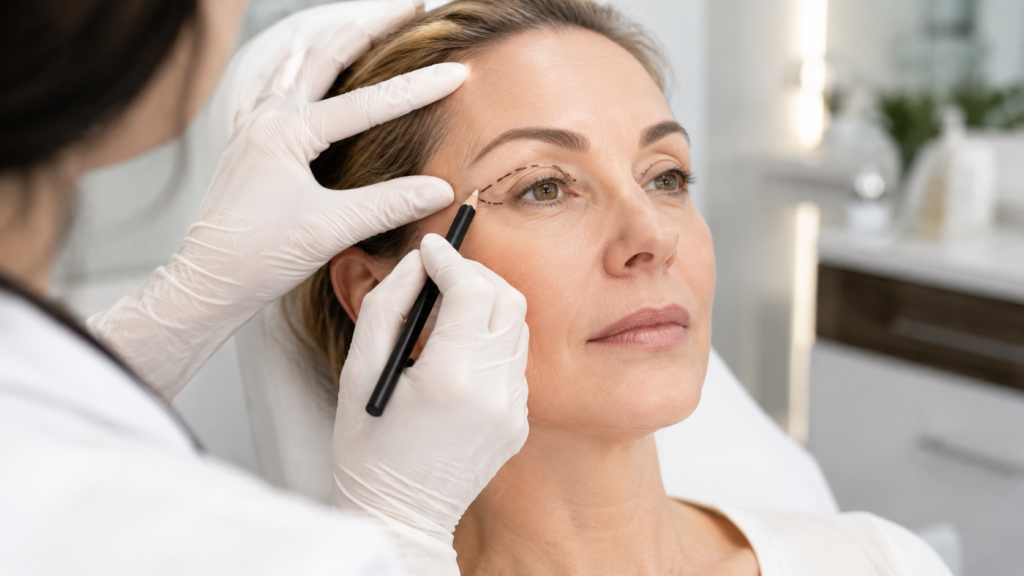
Facial fillers have gained widespread acclaim as a non-surgical option for combating the signs of aging and refining facial contours. They offer a straightforward solution for those looking to smooth out wrinkles and enhance volume in a subtle, yet effective manner.
In this article, we’re going to explore the essentials of facial fillers, focusing on what they are, how they work, and the duration of their effects. Safety is a priority, so we’ll also touch on how these treatments stand up to health standards. Whether you’re considering fillers for the first time or looking to understand more about your ongoing treatments, we’ve got the details you need.
What Are Dermal Facial Fillers?
Dermal facial fillers, often just called facial injections, are treatments used to help your skin look younger and smoother. They are a simple, non-surgical way to reduce wrinkles and add volume to your face, especially in areas like your cheeks, lips, and jawline. These injectable dermal fillers include substances like hyaluronic acid, which is naturally found in your skin, and helps to plump it up and reduce signs of aging.
Because these wrinkle filler injections are so versatile, they’re popular with people who want to refresh their look quickly, without the hassle and downtime of surgery.
Are Dermal Fillers Safe?
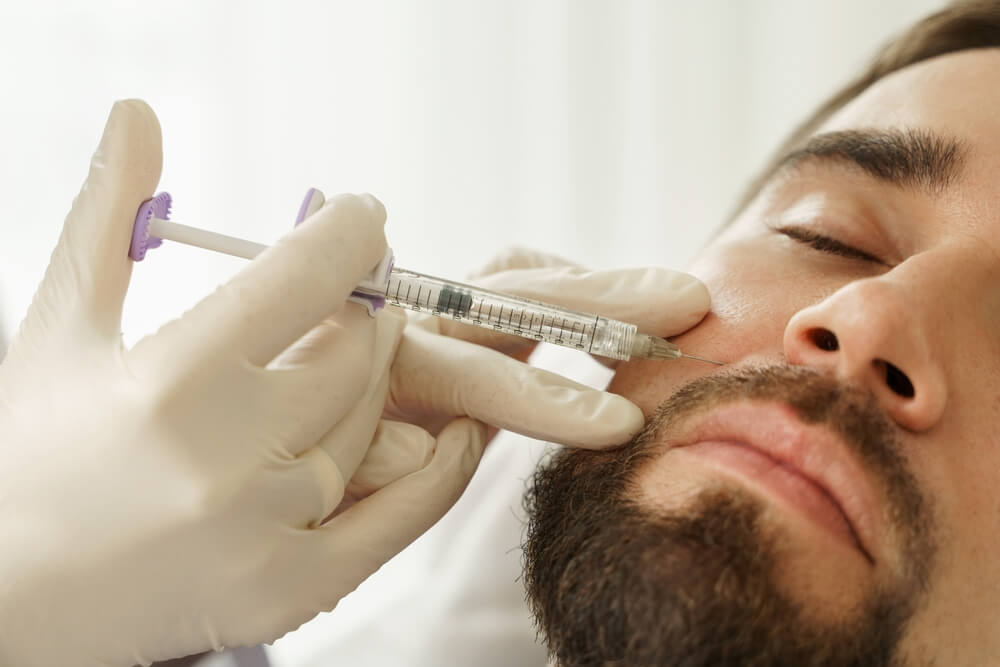
When administered by qualified and experienced practitioners, dermal fillers, when administered by qualified and experienced practitioners, hold an impressive record for safety. The oversight by the FDA in the United States adds an additional layer of reassurance, as it ensures that all commercially available fillers meet stringent standards for use in aesthetic procedures.
This regulatory framework is in place to protect patients by ensuring that the fillers are both safe and effective for cosmetic use.
Optimal Timing for Fillers
Figuring out the best timing for dermal fillers is a personal decision that varies greatly from person to person. It’s not just about chronological age. It’s also about how your skin is aging, which can be influenced by genetics, lifestyle, and environmental factors. Some may start to see the signs of aging in their late 20s or early 30s, while others might not consider fillers until their 40s or 50s.
Your aesthetic goals also play a crucial role in this decision. Whether you’re looking to preemptively combat the first signs of aging or wanting to restore volume and definition that’s been lost over time, the timing will be tailored to your unique needs and desires. An experienced practitioner can help you assess your skin’s condition and discuss your expectations to recommend the most appropriate time to start with fillers.
Target Areas for Fillers
Dermal fillers are quite the multitaskers in cosmetic treatments, serving several roles to enhance facial aesthetics.
They’re commonly used to:
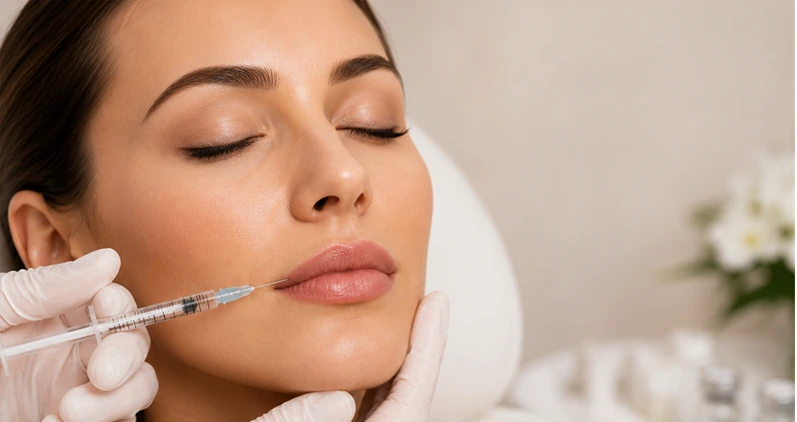
Plump the Lips
Fillers can give your lips a fuller, more defined shape, contributing to a youthful look. They address thinning lips by adding volume and can also smooth out vertical lip lines.
Soften Facial Creases
For deeper lines that facial creams and serums can’t touch, like nasolabial folds or marionette lines, fillers come in as a powerful tool to smooth out these areas for a more refreshed appearance.
Enhance Facial Contours
Cheeks and jawlines are prime candidates for fillers.
Here’s how they work:
- Cheeks: Dermal fillers can be used to add volume to the cheeks, creating a lifted effect that can make cheekbones appear more pronounced.
- Jawline: To achieve a more defined jawline or to balance asymmetry, fillers can provide structure and contour.
Address Hollow Areas
Areas like the temples or under the eyes, which may appear sunken due to age-related volume loss, can be rejuvenated with fillers to restore a more youthful fullness.
Reshape Features
Fillers aren’t just for restoring what’s been lost—they can also be used to subtly enhance and shape facial features for improved symmetry and balance.
Each treatment area responds differently to fillers, and a skilled practitioner can tailor the type and volume of filler to meet the specific needs of each zone. By understanding the unique properties of various filler materials and the dynamic nature of facial anatomy, fillers can be strategically used to achieve natural-looking, yet significant, aesthetic enhancements.
Duration of Dermal Fillers: How long do facial fillers last?

The staying power of dermal fillers is not one-size-fits-all. Generally, you can expect most fillers to maintain their effect for anywhere from 6 to 18 months. The specific lifespan of these fillers can be traced back to the type used—some are designed to be more temporary, while others have a longer-lasting formulation. The area of the face treated also plays a role. Fillers in areas that move more, like the lips, may break down faster than those in less dynamic areas.
Efficacy Timeline for Fillers
One of the appealing aspects of facial fillers is their near-instant gratification. Post-injection, you’ll likely notice a difference right away. The true breadth of their effect, however, unfolds over the following two weeks as swelling subsides and the filler settles into its final position.
Factors Affecting Filler Life
The lasting effect of dermal fillers is not just a matter of product quality or professional application.
Several personal factors can also influence their longevity:
Metabolism
Individual metabolic rates play a significant role. A faster metabolism can break down filler material more quickly, reducing its lifespan.
Sun Exposure
Ultraviolet (UV) rays can degrade the quality of fillers and accelerate the aging process of the skin, which might shorten the effects of the fillers.
Lifestyle Choices
Smoking, for instance, not only affects overall health but can also diminish the lifespan of facial fillers by impacting skin quality.
Vigorous exercise increases metabolism, which can lead to a faster absorption of the fillers by the body.
Skin Care Routine
Proper skin care can extend the life of fillers. Hydrated and well-maintained skin provides a better environment for fillers to last.
Type of Filler
Different filler materials have varying degrees of cross-linking, affecting how long they will remain intact within the skin.
Area Treated
Fillers in areas of frequent movement, like around the mouth, may not last as long as fillers in less active areas, such as the cheeks or under the eyes.
Dermal Filler Experience
The process of receiving fillers is typically swift and straightforward. Most treatments are done in under an hour, allowing for a quick return to daily activities. Many patients appreciate the minimal downtime and the immediate visibility of results.
Potential Side Effects
Dermal fillers are generally well-tolerated, but they do carry the possibility of side effects, similar to any medical procedure.
Here’s what you can potentially expect:
- Bruising: This is the most common side effect. The injection can cause small blood vessels to break, leading to bruising, which typically fades within a week or two.
- Swelling: Some degree of swelling can be anticipated after the procedure. It’s usually the body’s natural response to the treatment and should subside fairly quickly.
- Redness: The treated area may appear red for a few hours following the filler application. For those experiencing prolonged redness, there are effective methods to reduce facial redness.
- Allergic Reactions: While rare, some individuals may have an allergic response to the filler material, manifesting as prolonged redness, swelling, itching, or firmness at the injection site.
To minimize risks, it’s crucial to:
- Consult with a healthcare professional before undergoing treatment.
- Ensure the provider is experienced and qualified.
- Discuss any allergies or skin sensitivities with the practitioner beforehand.
Being aware of these side effects can help you better prepare for your filler treatment and make informed decisions about your aesthetic care.
Dissatisfaction with Results
When the outcome of a dermal filler treatment doesn’t meet expectations, it’s natural to feel a bit disheartened. However, not all hope is lost. Many fillers are formulated to be temporary, meaning the body will gradually metabolize them, and their effects will diminish over time. If you’re not fully satisfied with how the fillers look, waiting it out can often be a wise choice. As the product slowly dissolves, the appearance will adjust, often moving closer to what you had in mind.
For those seeking a quicker resolution, there are options available. Certain enzymes can be injected by a professional to speed up the breakdown of the filler, safely returning your facial contours to their natural state. It’s a straightforward procedure that can mitigate the effects of the filler, usually without significant downtime.
Before taking any steps, it’s critical to revisit your practitioner to discuss your concerns. A skilled professional can offer solutions, whether that means adjusting the filler, adding more to balance the results, or dissolving it altogether. They can also provide valuable insight into what to expect during the waiting period or if you opt for corrective measures.
Ultimately, the key is to communicate openly with your provider about your results and feelings regarding the treatment. In the world of cosmetic enhancements, flexibility, and patience, the informed approach can make all the difference in achieving satisfaction with your results.
The Fade of Fillers
Dermal fillers are not a permanent fixture. With time, the body naturally breaks down the injected substances, a process that varies for each individual based on the type of filler and their metabolism. This fading is a gradual transition, allowing the skin and facial structure to subtly return to their original state before the treatment. It’s a built-in safety net of sorts, providing a non-committal advantage for those unsure about the long-term prospects of cosmetic enhancements.
For patients, this means there’s no abrupt shift in appearance, just a gentle tapering off as the filler dissolves. It’s a predictable path back to the natural look, which can be a comforting thought for anyone hesitant about making permanent changes to their face.
Maintenance of Dermal Fillers
To maintain the effects of fillers, periodic refreshment sessions are suggested. Typically, a follow-up treatment might be scheduled every 6 to 12 months to preserve the initial results, though this can vary widely with different filler formulations and individual responses. Regular maintenance is key to extending the benefits of fillers, as it allows for adjustments to be made in response to the natural aging process or personal preference changes.
These maintenance appointments are an opportunity to reassess one’s aesthetic goals with their practitioner, ensuring that the filler’s results continue to align with the desired outcome. It’s a customizable approach, providing flexibility and control over one’s appearance.
The Value of Dermal Fillers
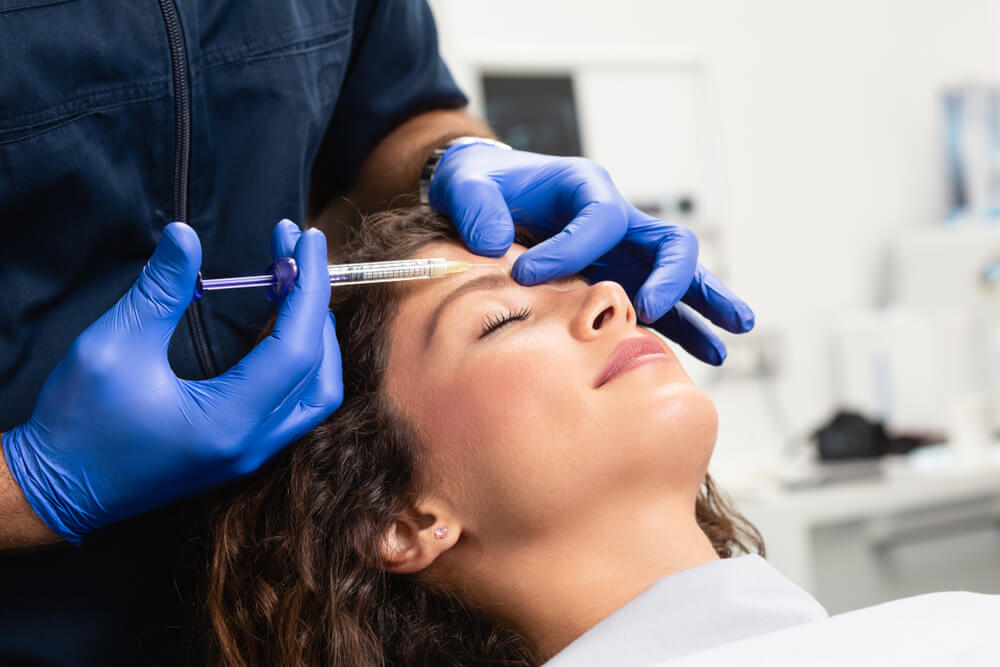
When it comes to dermal fillers, the true value extends beyond the physical results. Yes, they can enhance one’s appearance, but they also often deliver a significant boost in confidence and self-esteem. This intangible benefit can be a game-changer for many, tipping the scales toward making the investment in filler treatments. The non-surgical nature of the procedure and the relatively long-lasting yet not permanent effects are particularly appealing aspects that add to their value.
Fillers offer a cost-effective way to achieve aesthetic goals without committing to the permanence and risk of surgical procedures. They are a testament to the advancements in cosmetic medicine, providing a safe and controlled method to enhance natural beauty.
Facial Fillers: A Gateway to Enhanced Beauty
Facial fillers present a powerful option for those looking to soften the signs of aging and enhance their natural features in a non-permanent, manageable way. Expert practitioners like Dr. Bret A. Johnson, MD, in Dallas and Plano, Texas, stand ready to guide patients through the process with professionalism and care.
Visiting well-established practices ensures that individuals receive the best advice and filler treatment plans tailored to their needs. It ensures that you receive not only the highest quality of care but also personalized attention to detail. The goal is to create a look that complements your individuality without compromising the subtle distinctions that make you unique.
Whether you’re contemplating your first treatment or are an experienced filler user, your journey toward a refreshed and revitalized appearance is just an appointment away. Set an appointment with Dallas Plastic Surgeon today.