If you’re looking to restore volume or smooth out wrinkles, you’ve probably come across two popular options: fat grafting and dermal fillers. Both approaches are used for facial rejuvenation, yet they work in different ways. Each has its own benefits, limitations, and ideal use cases.
Deciding between fat grafting vs fillers often comes down to personal goals, anatomy, and lifestyle. In this guide, we’ll break down what makes each treatment unique and help you understand which may be the right fit for your needs.
What Is the Difference Between Fat Grafting and Dermal Fillers?
The biggest difference lies in the material being used and how it’s sourced. Fat grafting (also known as fat transfer) uses your own fat, typically harvested from areas like the abdomen or thighs. That fat is then purified and injected into areas of the face where more volume is desired.
Dermal fillers, on the other hand, are gel-like substances (usually made of hyaluronic acid or similar compounds) that are injected directly into the skin to smooth lines or restore fullness. While fat grafting is more natural in source, fillers are synthetic and ready-made, offering immediate use with little preparation.
When comparing facial fat grafting vs fillers, it really comes down to: natural vs synthetic, and long-term vs short-term solution.
How Does the Process of Fat Grafting Work?

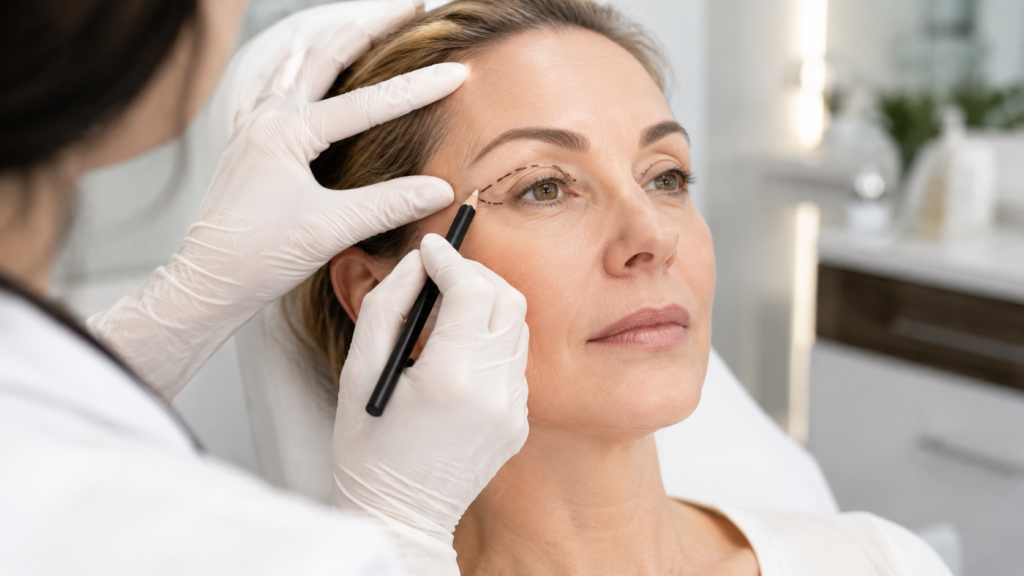
Fat grafting starts with liposuction. A small amount of fat is removed from a donor site, such as your lower belly or inner thighs. The fat is then processed in a centrifuge or similar purification system to isolate the healthiest cells. Once the fat is purified, your surgeon injects it into targeted areas of your face to restore lost volume or enhance features.
The procedure is typically done under local or general anesthesia, depending on the scope. Since fat grafting uses your own tissue, it’s biocompatible and carries minimal risk of allergic reaction. It’s often favored for larger volume corrections or when patients want a more permanent outcome.
What Are Dermal Fillers Made Of and How Are They Used?
Dermal fillers are commonly made from hyaluronic acid, a substance that naturally occurs in your body and helps retain moisture and plumpness in the skin. Other options include calcium hydroxylapatite and poly-L-lactic acid, depending on the brand and goal of treatment.
Fillers are injected directly into areas such as the cheeks, lips, under eyes, or nasolabial folds. The process is quick—usually under 30 minutes—and often requires little to no downtime. Fillers are ideal for fine-tuning and treating multiple areas in one session.
Which Areas of the Face Can Each Option Treat?
Both fat grafting and fillers are versatile, but each has its strengths.
Fat grafting is often used for:
- Cheek volume restoration
- Hollow temples
- Deep nasolabial folds
- Jawline contouring
- Under eye hollows (under eye fat grafting vs fillers is a common decision point)
Fillers are great for:
- Fine lines and wrinkles
- Lip enhancement
- Tear trough (under-eye area)
- Subtle cheek sculpting
- Chin and nose correction (non-surgical rhinoplasty)
In many cases, your plastic surgeon may recommend a combination of both to get the most natural and balanced result.
How Long Do Results Last with Fat Grafting vs. Fillers?
Fat transfer results can be long-lasting, often several years or even permanent in some cases. However, not all of the transferred fat survives, so results may soften slightly in the months following the procedure.
Fillers are temporary. Hyaluronic acid fillers generally last 6–18 months, depending on the brand and treatment area. Areas with less movement, like the cheeks, tend to hold filler longer than lips or smile lines.
If you’re looking for a quick refresh without the commitment, fillers may be a better fit. But for a more permanent correction, fat grafting can be a smart long-term investment.
What Are the Risks and Side Effects of Each Option?
Both procedures are safe when performed by an experienced provider, but they come with their own risks.
Fat grafting may involve swelling, bruising, or asymmetry if some fat is reabsorbed unevenly. There’s also a slightly longer recovery time due to the liposuction step.
Fillers carry a small risk of bruising, lumps, or vascular complications if improperly injected. Fortunately, most hyaluronic acid fillers are reversible with an enzyme called hyaluronidase.
Discussing the details with a board-certified surgeon can help you fully understand what to expect and how to reduce any risks.
How Do Costs Compare Between Fat Grafting and Fillers?
Fat grafting generally costs more upfront due to the surgical nature of the procedure and the use of anesthesia. However, since results can last much longer, it may prove more cost-effective over time.
Fillers are typically priced per syringe, and the total cost depends on how many areas you’re treating. Because they require touch-ups every year or so, ongoing maintenance costs should be factored in.
You can find more details about how much dermal fillers cost here, or talk to your provider about available financing plans.
Who Is a Good Candidate for Fat Grafting or Fillers?
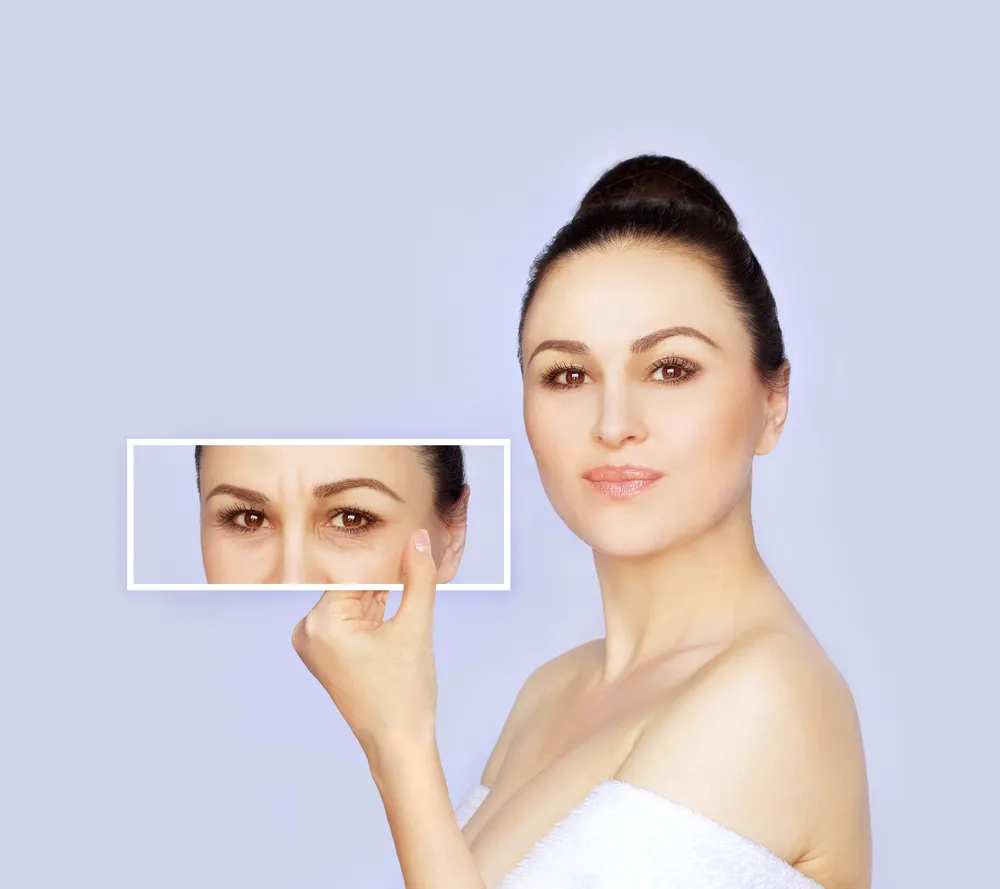
You may be a good candidate for fat grafting if you:
- Want longer-lasting results
- Have enough fat to harvest from
- Are in good general health and don’t mind a longer recovery
You might be better suited for fillers if you:
- Prefer a non-surgical treatment
- Want subtle, short-term results
- Are new to cosmetic treatments and want to test a small change first
Each case is unique, and the best approach is always a personal one.
How Natural Do the Results Look with Each Method?
Fat grafting tends to provide a soft, natural look because it uses your own tissue. It integrates well with existing fat, making it ideal for restoring volume lost from aging.
Fillers also offer a natural result when applied by a skilled injector, though some people may notice a firmer feel under the skin. Overdone filler, or the wrong product in the wrong place, can look artificial, which is why choosing a qualified provider is key.
How Can You Decide Which Option Is Right for You?
When comparing fat grafting face vs fillers, your decision should come down to your goals, lifestyle, budget, and comfort with recovery time. For those focused on long-term facial restoration, fat transfer vs filler might lean toward the surgical route. For others looking to fine-tune or test changes, fillers are a more flexible entry point.
If you’re considering under eye fat grafting vs fillers, it’s important to note that the eye area is delicate, and precision matters. Some patients find fat provides better longevity here, while others prefer the subtlety and reversibility of fillers.
If you’re not sure which option is best, a consultation with a board-certified Dallas plastic surgeon like Dr. Bret A. Johnson can help clarify your choices and create a treatment plan that fits your needs.
Enhance Your Look with Natural, Lasting Results
Both fat grafting and dermal fillers can help you feel more confident by restoring facial balance and volume. Choosing between them depends on what you want to achieve, how long you want the results to last, and how comfortable you are with surgery.
If you are located in Dallas, Texas, we encourage you to schedule a consultation with Dr. Bret Johnson. As a highly skilled Dallas plastic surgeon, Dr. Johnson possesses the experience and artistic eye to help you determine if fat grafting or dermal fillers are the most suitable approach to achieve your aesthetic goals with natural-looking results.
We also offer flexible financing options to make your aesthetic goals accessible. Contact us today so we can discuss your needs and explore your options.