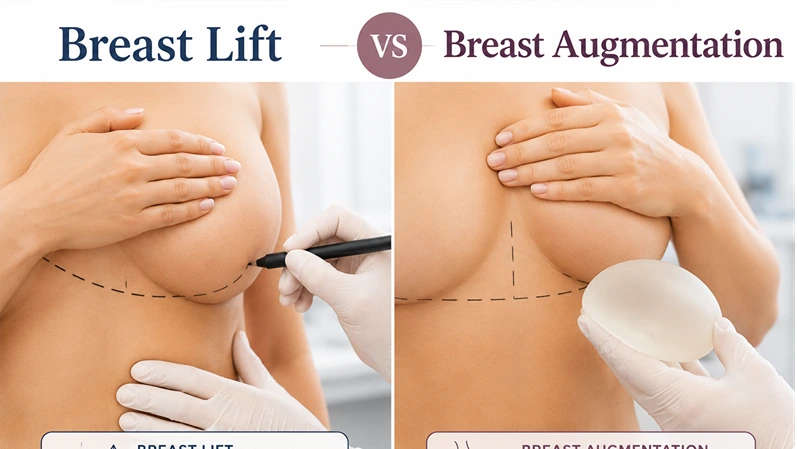
Many people exploring breast enhancement want natural-looking results without implants. That question often leads to fat grafting for breasts. Using your own body fat to enhance shape and volume sounds appealing, but understanding how the procedure works, who it’s best for, and what results look like over time is essential before making a decision.
This guide walks through breast fat grafting in clear terms so patients can feel informed, confident, and prepared.
What Is Fat Grafting for the Breasts?
Fat grafting for breasts is a procedure that uses fat taken from another area of the body and transfers it to the breasts for added volume, contour improvement, or reconstruction. The process relies on liposuction to harvest fat, which is then purified and carefully injected into breast tissue.
This technique is commonly used for cosmetic enhancement as well as fat grafting for breast reconstruction after surgery or trauma.
How Does the Fat Grafting Procedure Work?
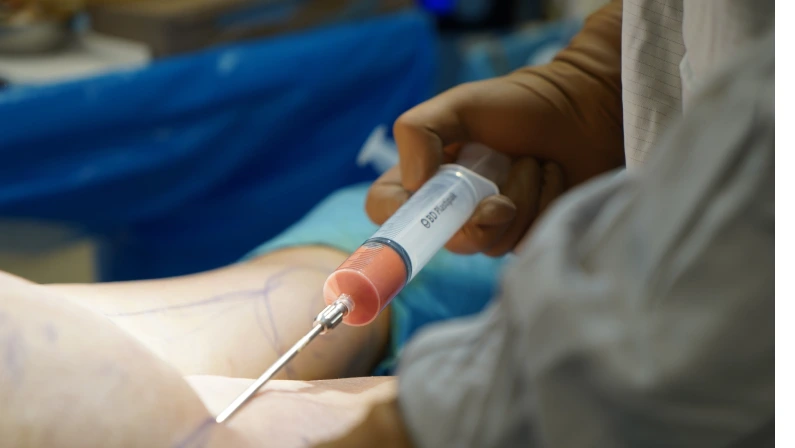
Breast fat grafting happens in stages. Fat is first removed from areas such as the abdomen, flanks, or thighs. That fat is then processed to isolate healthy fat cells. Finally, the surgeon injects the fat into targeted areas of the breast to improve shape, symmetry, or fullness.
Because fat grafting to breast tissue requires precision, placement and technique play a major role in long-term results.
Who Is a Good Candidate for Breast Fat Grafting?
Ideal candidates typically want a modest increase in breast volume and have enough donor fat available. Patients who prefer a natural feel or want subtle enhancement often consider breast augmentation with fat grafting instead of implants.
This approach also works well for patients seeking correction of asymmetry, contour irregularities, or refinement after prior surgery.
What Are the Benefits of Fat Grafting for the Breasts?
One of the biggest benefits is using your own tissue. Breast fat grafting avoids foreign materials and often creates soft, natural results. The procedure can also contour donor areas through liposuction, offering an added aesthetic benefit.
Fat grafting breast lift techniques may also help improve shape and upper pole fullness in select patients.
What Are the Limitations of Fat Grafting Compared to Implants?
Fat grafting does not provide the same dramatic size increase that implants can. Some transferred fat will naturally be reabsorbed by the body, which may limit final volume. In certain cases, more than one session is needed to achieve desired results.
Understanding these limitations helps patients decide between implants, fat grafting, or a combination approach.
What Results Can Patients Expect from Breast Fat Grafting?
Results typically appear natural in look and feel. Patients notice improved contour, subtle fullness, and smoother transitions. Because some fat absorption is expected, surgeons often plan conservatively to maintain balanced outcomes.
How Long Is the Recovery After Fat Grafting for Breasts?
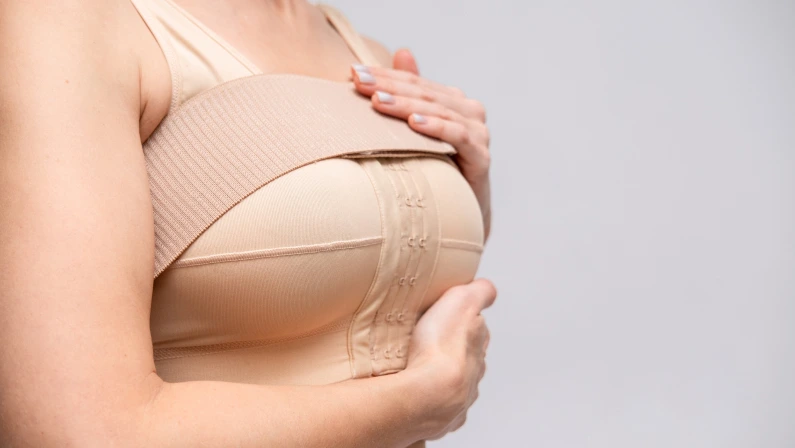
Fat grafting to breast recovery varies by individual. Most patients experience swelling and soreness at both donor and injection sites for several weeks. Light activity usually resumes within days, while full recovery continues over several weeks.
Are There Risks or Side Effects Associated with Fat Grafting?
As with any surgical procedure, fat grafting for breasts comes with potential risks and side effects, though most are mild and temporary when the procedure is performed correctly. Swelling and bruising are the most common and can appear in both the donor areas and the breasts. Mild soreness or tightness is also expected during the early recovery period and usually improves within a few weeks.
Some patients experience firmness or small lumps in areas where fat has been transferred. In rare cases, fat necrosis can occur when transferred fat cells do not survive, leading to cyst formation or localized firmness. Uneven volume or asymmetry may also happen if fat absorption differs from one area to another.
These risks are significantly reduced when fat grafting is performed by an experienced, board-certified plastic surgeon who uses precise harvesting, processing, and placement techniques. Proper planning, careful injection methods, and realistic expectations all play an important role in achieving smooth, natural-looking results and a safe recovery.
How Safe Is Fat Grafting for Breast Enhancement?
When performed by a qualified, experienced surgeon, breast fat grafting is widely considered a safe and well-established procedure.
Surgeons use careful harvesting, processing, and injection techniques to protect the transferred fat and support long-term results. Fat is placed in small, controlled amounts and layered strategically to promote healthy blood supply and minimize complications. These techniques help reduce risks such as fat necrosis or uneven healing.
Clinical studies and long-term patient data have shown that fat grafting to the breast does not increase the risk of breast cancer or interfere with routine screening when done correctly. Surgeons also follow established safety guidelines to ensure future mammograms and imaging remain clear and reliable.
As with any cosmetic procedure, the key factor is experience. Choosing a surgeon who routinely performs breast augmentation with fat grafting and understands breast anatomy makes a significant difference in both safety and outcome.
How Does Fat Grafting Affect Breast Imaging and Screening?
Modern imaging techniques can distinguish between fat grafting changes and concerning findings. Surgeons coordinate with radiologists to ensure routine screenings remain accurate and reliable.
How Much Does Fat Grafting for Breasts Typically Cost?
Fat grafting breast cost depends on surgical complexity, donor areas, and whether multiple sessions are needed. Costs often differ from implants due to the additional liposuction component.
What Questions Should You Ask Your Surgeon About Breast Fat Grafting?
Before moving forward with breast fat grafting, it helps to walk into your consultation prepared. These questions can guide a productive, honest discussion and help set realistic expectations.
1. How much experience do you have with fat grafting for breasts?
Ask how often the procedure is performed and what techniques are used to improve fat survival and symmetry.
2. What percentage of the transferred fat typically survives?
Since some fat is naturally reabsorbed, understanding expected retention helps clarify final volume results.
3. How much volume increase can I realistically expect?
This is especially important for patients comparing breast augmentation with fat grafting versus implants.
4. Will I need more than one fat grafting session?
Some patients benefit from staged procedures, particularly when aiming for a noticeable size change.
5. What does fat grafting to breast recovery look like week by week?
Ask about swelling, activity restrictions, compression garments, and when normal routines can resume.
6. What risks should I be aware of, and how are complications handled?
This includes questions about fat necrosis, uneven results, or the need for revisions.
7. Can fat grafting be combined with other procedures?
Many patients ask about combining fat grafting breast lift techniques or other breast contouring options.
8. How will fat grafting affect future breast imaging or screenings?
Understanding how the procedure interacts with mammograms provides added peace of mind.
Asking these questions helps patients feel informed, confident, and aligned with their surgeon before choosing fat grafting to the breast as their enhancement option.
Choosing a Trusted Expert for Natural Breast Enhancement
Fat grafting for breasts offers a refined, natural option for patients seeking subtle enhancement or reconstruction. Results depend heavily on surgical skill, planning, and individualized care.
Patients looking for a breast plastic surgeon in Dallas can trust Dr. Bret A. Johnson, MD, a board-certified plastic surgeon based in Dallas, Texas. Through his practice at Dallas Plastic Surgeon, patients receive personalized guidance and advanced techniques in breast procedures, including breast fat grafting and reconstruction.
Financing options are available to help patients move forward comfortably. Scheduling a consultation allows patients to explore whether breast augmentation with fat grafting fits their goals and body, with expert support every step of the way.