The big 4-0 can feel like a major milestone. For some, it’s a time for celebration and reflection; for others, it’s when they start noticing a few more tell-tale signs of aging that weren’t there before.
Maybe you’re finding that your face doesn’t quite reflect the energy and youth you still feel on the inside. If you’ve been looking in the mirror and wondering about options to refresh your look, you’re not alone.
Many people in their forties start to explore cosmetic procedures, and for a number of them, a facelift enters the conversation. This guide is here to walk you through everything you might want to know about getting a facelift around this age, keeping things simple, straightforward, and supportive.
Why Do People Consider a Facelift at 40?
People often start thinking about cosmetic rejuvenation when gravity and time begin to change their facial contours. At facelift age 40, the signs of aging are often starting to become noticeable enough to make someone curious about surgical options.
- You might notice a subtle softening around the jawline, sometimes called “jowls,” that wasn’t there in your 30s.
- The skin on your neck may seem a little looser, leading to that “turkey wattle” look some people dislike.
- Many people in their 40s seek a facelift to address deepening lines around the mouth and nose, or mid-face tissue descent.
What Does a Facelift Do?
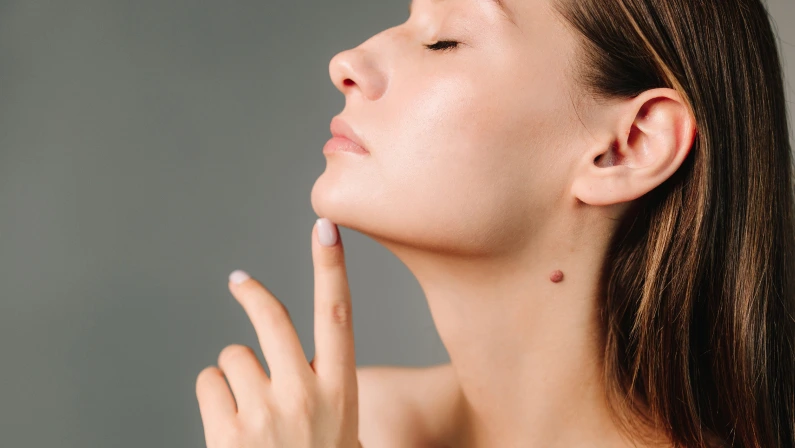
Simply put, a facelift is designed to provide a more youthful facial contour, addressing both skin and underlying tissue that have lost firmness. It can deliver results that topical products and even many non-surgical procedures can’t quite achieve, particularly related to loose skin.
- It helps to tighten and reposition the skin of the face and neck.
- The procedure works on the underlying muscle and fat tissue to restore a more elevated position
- A facelift smooths deep folds that run from the nose to the corners of the mouth (nasolabial folds).
- It improves the appearance of a slack jawline and loose skin under the chin.
Am I a Good Candidate for a Facelift at 40?
When you’re in your forties, the signs of aging are generally less severe than they will be later on, which can actually make you a great candidate for a specific type of facelift.
Younger patients, like those in their 40s, often have good skin elasticity and a strong bone structure, which helps with a smoother surgery and recovery.
Because the aging is still relatively mild, a skilled surgeon can often perform a less extensive, or ‘mini,’ facelift that addresses minor changes while aiming for a very natural-looking and long-lasting result.
It’s really about taking proactive steps to correct early signs of aging rather than reacting to advanced signs later.
What Makes Someone a Good Candidate for a Facelift in Their 40s?
While every patient is unique, there are some common qualities that make a person in their fourth decade a promising candidate for this procedure. These positive factors contribute to better results and a safer experience overall.
- You have good overall physical health, without serious pre-existing medical conditions that could interfere with healing or anesthesia.
- You have realistic expectations about what the surgery can achieve, understanding it’s about looking refreshed, not dramatically different.
- You are a non-smoker, or are willing to quit well in advance, since smoking greatly impairs the body’s healing ability.
How Is a Facelift Performed?
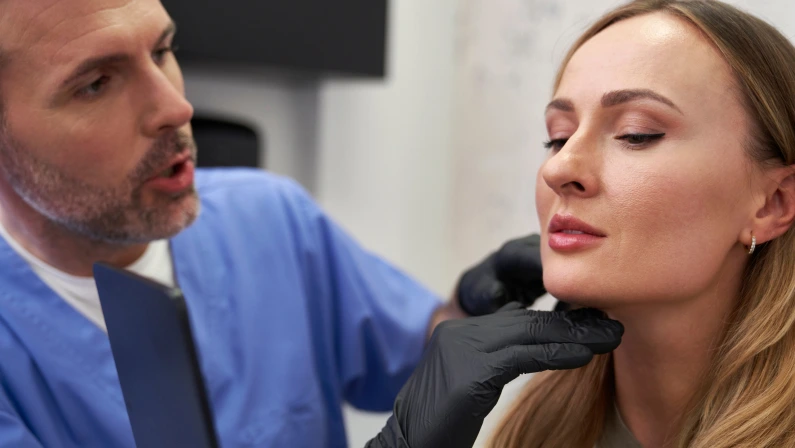
The specific technique used will always be tailored to your individual needs and goals, but all facelifts follow a general flow. The goal is always to create a smoother, tighter facial appearance with incisions that are well-hidden.
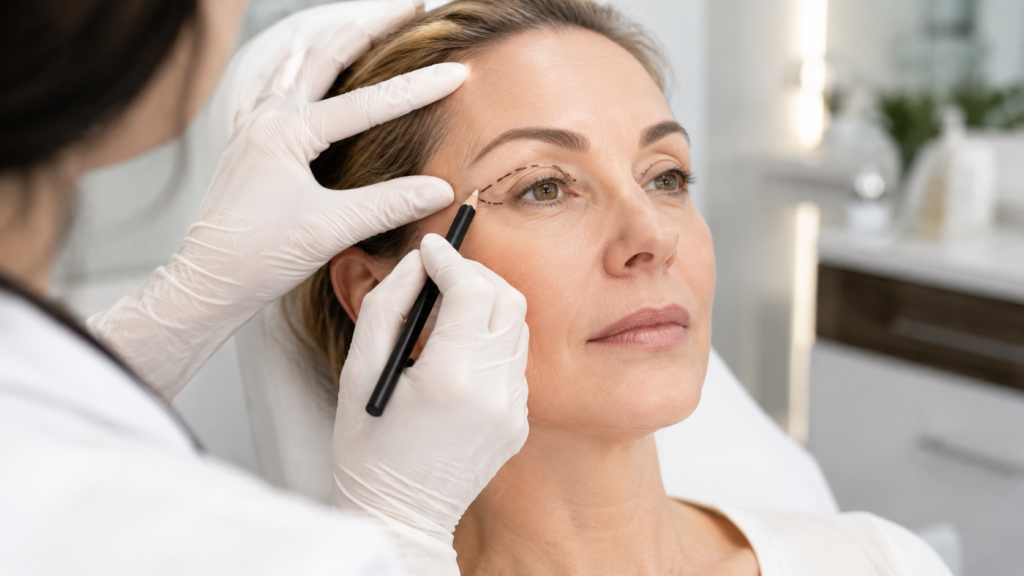
Incisions are typically placed discreetly within the hairline and in the natural folds around the ear. The surgeon carefully separates the skin from the underlying tissue and repositions the deeper facial structures, sometimes trimming excess skin.
Finally, the skin is redraped smoothly over the repositioned contours and the incisions are closed with sutures or sometimes with surgical glue.
What Should You Expect During Recovery?
After your procedure, a recovery period is necessary, and you should plan for some downtime. Immediately after surgery, you’ll have bandages placed around your face and neck to reduce swelling and bruising.
You can expect some swelling and discoloration for the first few weeks, though discomfort is generally manageable with prescribed medication.
Most people feel comfortable returning to work and light activities within ten to fourteen days, though vigorous exercise must be avoided for at least a month. Looking at mini facelift before and after 40 year old photos can give you a good idea of the fantastic results that are possible when working with a qualified surgeon. Your surgeon will provide detailed post-operative instructions to help guide you through this phase and achieve the best possible outcome.
How Long Do Facelift Results Last?
A facelift in 40s does not stop the clock, but it definitely turns it back, and the longevity of the results is one of the procedure’s biggest appeals. For a patient in their 40s, the outcome can be particularly long-lasting. While every person continues to age naturally, the effects of a facelift generally endure for around ten to fifteen years.
Factors like genetics, skin care routine, sun protection, and overall healthy living habits play a significant role in helping maintain your rejuvenated appearance for the longest possible time. Think of it as a solid investment in your appearance that offers benefits for years to come.
Are There Non-Surgical Alternatives to a Facelift at 40?
Absolutely! For those whose signs of aging are still very mild or who just aren’t ready for surgery, there are excellent non-surgical options available.
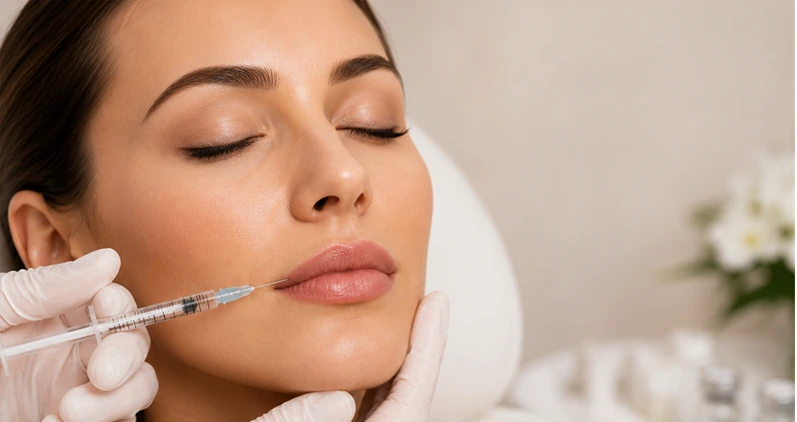
Treatments like injectable fillers can restore lost volume in the cheeks and lips, softening lines and folds. Botox can smooth out dynamic wrinkles on the forehead and around the eyes.
Furthermore, modern laser treatments and intense pulsed light (IPL) therapies can improve skin texture, address pigmentation, and promote collagen production for an overall lift and glow.
It’s helpful to discuss your goals with a qualified professional who can suggest the right treatment plan, expectations on facelift at 40 before and after, which may even involve a combination of both surgical and non-surgical methods.
What Are the Risks and Possible Complications?
While a facelift is a very common procedure, like any surgery, it does carry some risks and potential complications. It’s smart to be fully informed about these possibilities before making a decision.
- Bleeding and infection, though uncommon, are possibilities and can be managed with proper medical attention.
- Temporary numbness in certain areas of the face is a common sensation after surgery.
- Scarring is an unavoidable result of surgery, but a good surgeon places incisions in areas that are easy to hide.
- In rare cases, poor healing or skin discoloration might occur, sometimes requiring follow-up procedures.
How Do You Choose the Right Surgeon for a Facelift?
Selecting the physician who will perform your surgery is perhaps the most important decision you will make in this entire process. A highly qualified surgeon will make a huge difference in both your experience and your results.
- Verify that your surgeon is board-certified, as this indicates they have met rigorous standards for training and experience in plastic surgery.
- Look carefully at before-and-after photos, paying special attention to patients who had aging signs similar to yours.
- Ask about the surgeon’s experience performing facelifts on patients in their 40s to gauge their familiarity with subtle rejuvenation.
- Schedule a consultation to meet the surgeon and staff; you should feel comfortable, heard, and confident in their care.
How Is the Price of a Facelift Determined at Age 40?
The total investment for a facelift can vary quite a bit, even for someone in their forties. The price is typically influenced by several factors, including the surgeon’s fee, which reflects their expertise and reputation, and the location of the practice.
Other 40 year old mini face lift cost include the operating facility fees—whether the surgery is performed in an in-office surgical suite or a hospital—and the cost of anesthesia, which is provided by a board-certified anesthesiologist.
Because a younger patient may sometimes only need a less extensive “mini” lift, the overall cost might be lower than a full facelift, but this is always decided on a patient-by-patient basis after a full consultation.
Your Next Steps to a Refreshed Look

Taking the leap into cosmetic surgery is a personal journey, and gathering information is the perfect starting point.
The 40s are a fantastic time to consider a facelift because the aging process is typically still in its early stages, allowing for more subtle and natural-looking improvements that hold up beautifully over time.
If you’re ready to explore what’s possible, the best facelift surgeon in Dallas is waiting to help you. Schedule a consultation with Dr. Bret Johnson to discuss your unique goals. We offer financing options to help make your aesthetic aspirations a reality, because we believe everyone deserves to feel their absolute best. Contact us today to get started.