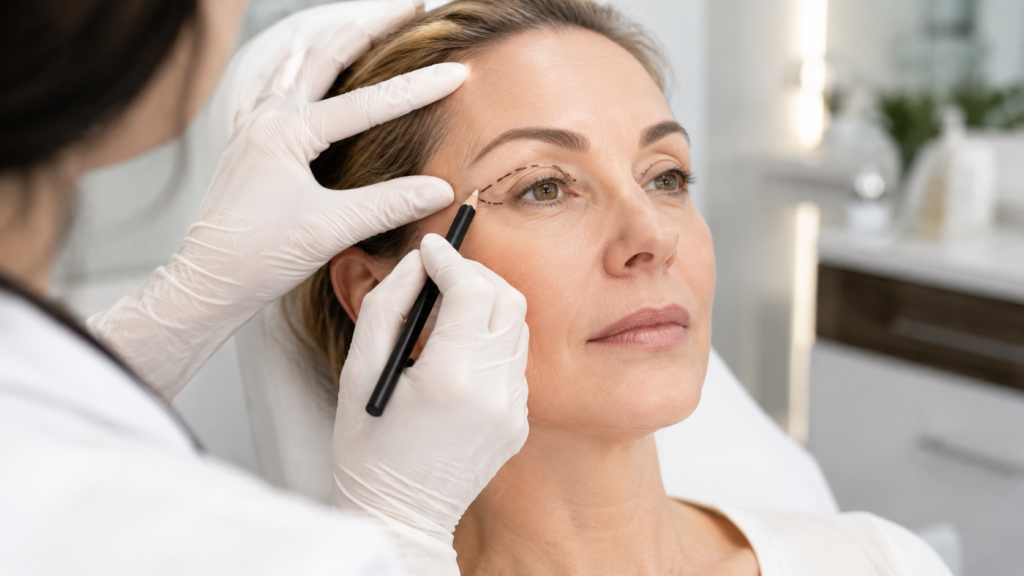
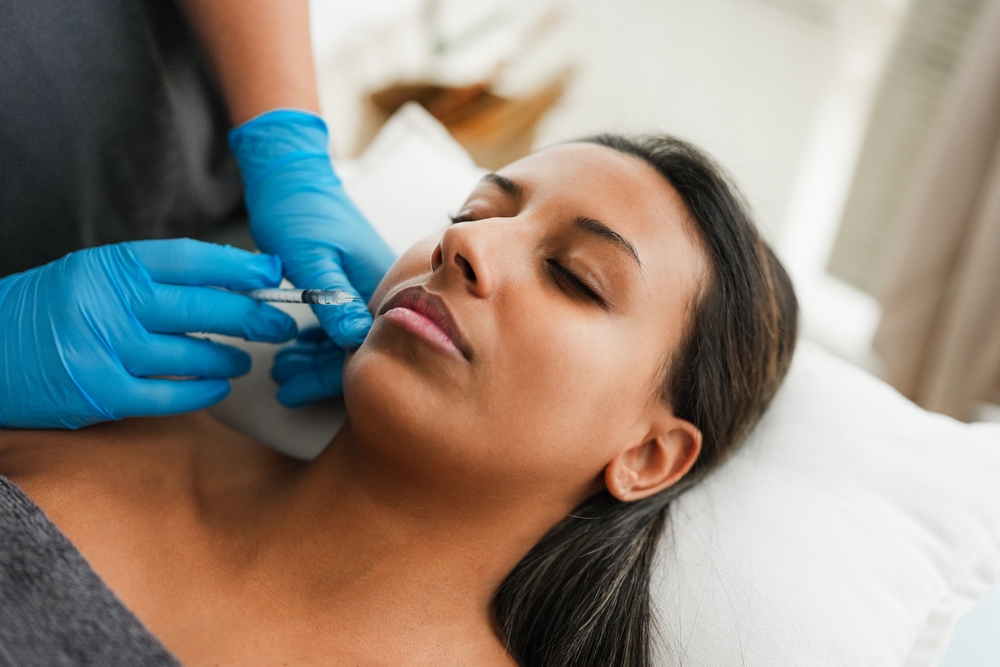
Botox vs dermal fillers is one of the most common questions patients ask when considering non-surgical facial rejuvenation. Both treatments are injectable, both are temporary, and both can improve signs of aging, but they work through completely different mechanisms.
Understanding the difference between Botox and fillers helps patients choose the right treatment for wrinkles, volume loss, and facial contour concerns.
Learn from Dr. Bret Johnson, a trusted provider of injectables Dallas TX patients rely on for personalized Botox and filler treatment plans.
The Core Difference — What Each One Actually Does
The biggest difference between Botox and fillers comes down to what they treat and how they work.
Botox relaxes muscles that create expression lines. Dermal fillers add volume beneath the skin to restore fullness, soften folds, and improve contour. Botox for dynamic wrinkles works by reducing repeated muscle movement, while fillers for volume loss physically support and lift areas that have become hollow or flattened over time.
Both treatments are non-surgical injectables, but they are not interchangeable. Choosing the right option depends on the type of wrinkle or facial concern being treated.
What Is Botox?
Botox is an FDA-approved injectable neurotoxin that temporarily relaxes targeted facial muscles. When those muscles stop contracting repeatedly, the overlying skin becomes smoother and expression lines soften.
Botox for dynamic wrinkles works best for lines caused by repeated facial movement, such as frowning, squinting, or raising the brows. Results usually begin appearing within 3 to 5 days and typically last around 3 to 4 months.
What Botox Treats Best
- Forehead lines
- Glabellar lines or “11s”
- Crow’s feet
- Brow lifting
- Bunny lines on the nose
- Lip lines and lip flip
- Chin dimpling
- Platysmal neck bands
- Jaw slimming and teeth grinding
- Hyperhidrosis or excessive sweating
Patients searching for Botox or fillers for wrinkles often benefit from Botox when the lines are mainly movement-related.
[CTA: Explore Options for Botox in Dallas]
What Are Dermal Fillers?
Dermal fillers are injectable substances used to restore volume, smooth static wrinkles, and improve facial contour. Most modern fillers are made from hyaluronic acid, which naturally occurs in the body and attracts moisture beneath the skin.
Unlike Botox, fillers do not affect muscle movement. Instead, they physically fill areas that have lost volume due to aging, collagen decline, or facial structure changes.
Results are immediate and can last anywhere from 6 months to over 2 years depending on the product and treatment area. Common brands include Juvéderm, Restylane, Sculptra, and Radiesse.
What Dermal Fillers Treat Best
- Nasolabial folds
- Marionette lines
- Lip enhancement
- Cheek contour and volume restoration
- Tear trough hollows
- Jawline definition
- Temple hollowing
- Hand rejuvenation
Patients searching for hyaluronic acid fillers Dallas providers often want treatment for facial volume loss and contour enhancement rather than muscle-related wrinkles.
Dynamic Wrinkles vs. Static Wrinkles — Why It Matters
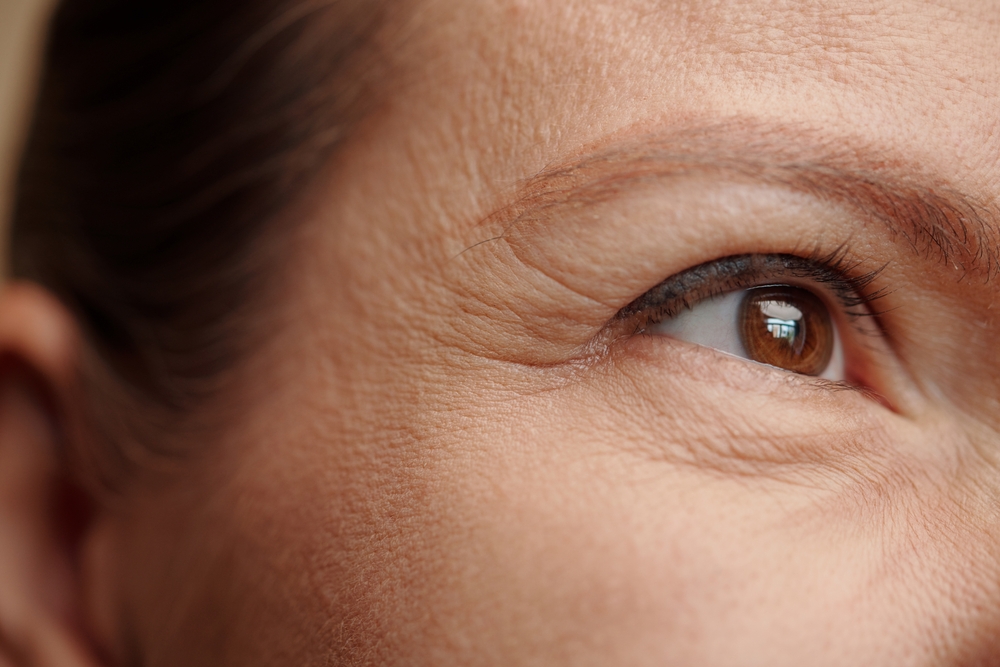
The wrinkle type determines the correct treatment. Using the wrong injectable often produces disappointing or unnatural results.
| Dynamic Wrinkles | Static Wrinkles |
| Visible during facial movement | Visible even at rest |
| Caused by muscle contraction | Caused by volume loss and collagen decline |
| Best treated with Botox | Best treated with dermal fillers |
| Examples: forehead lines, crow’s feet | Examples: nasolabial folds, marionette lines |
Some patients have both dynamic and static wrinkles at the same time, which is why Botox and fillers together are often recommended for more complete facial rejuvenation.
Botox vs. Dermal Fillers — Full Side-by-Side Comparison
When comparing Botox vs fillers which is better, the answer depends entirely on the concern being treated.
| Botox | Dermal Fillers |
| Relaxes targeted muscles | Adds volume beneath the skin |
| Best for expression lines | Best for volume loss and contour |
| Results appear in 3–5 days | Results are immediate |
| Lasts 3–4 months | Lasts 6 months–2+ years |
| No downtime | Mild swelling or bruising possible |
| Wears off naturally | HA fillers reversible with hyaluronidase |
| Priced per unit or area | Priced per syringe |
| Common areas: forehead, crow’s feet, jaw | Common areas: lips, cheeks, jawline |
Botox vs. Fillers for Specific Concerns
For Forehead Lines
Forehead lines caused by repeated brow movement respond best to Botox for dynamic wrinkles. Fillers are rarely used in this area because they do not address the muscle activity causing the lines.
In cases where deep creases remain visible at rest, a combination of Botox and a small amount of filler may improve results further.
For Under-Eye Hollows and Dark Circles
Under-eye hollows are structural and volume-related concerns. Tear trough fillers are usually the preferred option because Botox does not restore lost volume.
This area requires advanced injection technique, making injector expertise especially important.
For Lip Enhancement
Lip enhancement requires dermal fillers because fillers physically add volume and structure.
A Botox lip flip can create a subtle outward roll of the upper lip, but it does not add actual fullness. Patients seeking dramatic lip enhancement usually need filler treatment.
For Cheek Volume
Flattened cheeks and midface volume loss respond best to fillers for volume loss or fat transfer procedures. Botox has no role in restoring cheek fullness.
Longer-lasting products such as Sculptra and Radiesse are commonly used for cheek contouring.
For Jawline Definition
Both Botox and fillers can improve the jawline, but they address different issues.
Botox reduces masseter muscle bulk for jaw slimming, while fillers improve definition and structure along the jawline itself.
[CTA: Learn more about Jaw Contouring in Dallas]
For Crow’s Feet
Crow’s feet are classic dynamic wrinkles caused by repeated squinting and facial movement. Botox is considered the ideal treatment because fillers cannot stop the muscle movement responsible for these lines.
For Nasolabial Folds
Nasolabial folds are primarily related to facial volume loss and tissue descent. Dermal fillers directly soften these folds by restoring support beneath the skin.
Botox is generally not used for this concern.
Can You Get Botox and Fillers at the Same Time?
Yes. Botox and fillers together are commonly used during the same appointment to address multiple concerns simultaneously.
Combination treatments often include:
- Botox for forehead lines and crow’s feet with lip filler
- Botox for frown lines with cheek filler
- Masseter Botox with jawline filler
- Botox brow lift with under-eye filler
This approach treats both movement-related wrinkles and structural volume loss at the same time, which often creates more balanced and natural-looking results.
Dr. Bret Johnson customizes injectable plans based on facial anatomy, aging patterns, and patient goals.
How Much Do Botox and Dermal Fillers Cost in Dallas?
Botox Cost
Botox vs fillers cost varies because Botox is priced differently than fillers. Botox is typically charged per unit or treatment area.
A Botox brow lift may range from approximately $300 to $1,500 depending on dosage and treatment complexity. Full-face Botox varies based on the total number of units used.
Dermal Filler Cost
Dermal fillers Dallas providers offer are usually priced per syringe. Most treatment areas require one to two syringes, though larger areas may require additional product.
Pricing varies depending on the filler brand, product type, and treatment area.
Which Is More Cost-Effective?
Botox has a lower upfront cost but requires maintenance every few months. Fillers cost more initially but last significantly longer.
Patients addressing both wrinkles and volume loss often benefit most from a combination approach because it treats multiple concerns at once.
Financing through Cherry or PatientFi is available for injectable treatments at Dr. Bret Johnson’s practice.
[CTA: Learn more through our Patient Resources]
Why Injector Expertise Matters for Both Treatments
Injectables require precision, anatomical knowledge, and careful technique. The injector’s experience directly affects both safety and aesthetic outcomes.
Potential Botox risks include:
- Eyelid drooping
- Brow asymmetry
- Frozen appearance
- Product migration
Potential filler risks include:
- Vascular occlusion
- Lumps or irregularities
- Overfilling
- Skin damage
Choosing a board-certified plastic surgeon significantly reduces these risks while improving overall results.
Dr. Bret Johnson completed surgical training at UT Southwestern, giving him extensive experience with facial anatomy and advanced injectable techniques.
Botox vs. Fillers — Which One Is Right for You?
Choose Botox If…
- Expression lines are the main concern
- Forehead wrinkles or crow’s feet are prominent
- Jaw slimming is desired
- Minimal downtime is preferred
- A conservative first injectable treatment is desired
Choose Dermal Fillers If…
- Facial volume loss is the main concern
- Lip enhancement is desired
- Nasolabial folds or marionette lines are visible at rest
- Jawline contouring is desired
- Longer-lasting results are preferred
Choose Both If…
- Both wrinkles and volume loss are present
- Full facial rejuvenation is the goal
- Multiple areas need treatment at once
Many patients over 35 benefit from Botox and fillers together because aging often involves both muscle movement and volume decline simultaneously.
Not Sure? Consult Dr. Johnson
The right injectable depends on facial anatomy, wrinkle type, and long-term aesthetic goals. A consultation with Dr. Bret Johnson includes a detailed facial evaluation and personalized treatment recommendations.
Contact Dr. Bret Johnson for a consultation today.
Frequently Asked Questions About Botox vs. Dermal Fillers
What is the main difference between Botox and fillers?
The difference between Botox and fillers is that Botox relaxes facial muscles to reduce dynamic wrinkles, while fillers restore volume beneath the skin to soften static wrinkles and improve contour.
Which lasts longer — Botox or fillers?
Dermal fillers generally last longer than Botox. Most fillers last between 6 months and 2 years, while Botox usually lasts around 3 to 4 months.
Can Botox replace fillers?
No. Botox cannot restore volume, and fillers cannot stop muscle movement. Each treatment addresses different concerns.
Which is safer — Botox or fillers?
Both are considered safe when performed by experienced injectors. Fillers carry slightly higher risk because of potential vascular complications, which makes injector expertise especially important.
Can Botox and fillers be used together?
Yes. Botox and fillers together are commonly used during the same appointment for comprehensive facial rejuvenation.
Does Botox or filler hurt more?
Both involve injections with fine needles and are generally well tolerated. Most patients describe the discomfort as brief and mild.
Which should a first-time patient try?
Botox is often recommended first because it has no downtime, costs less initially, and wears off naturally over time.
How do I know which treatment is right for me?
A consultation with Dr. Bret Johnson helps determine the right treatment based on wrinkle type, facial anatomy, and aesthetic goals.
Schedule a consultation with Dr. Bret Johnson today.
Start with a Consultation — Get the Right Treatment for Your Goals
Botox and dermal fillers are both highly effective non-surgical treatments, but they solve different problems and should not be viewed as interchangeable options. The best choice depends on wrinkle type, facial volume, anatomy, and long-term goals.
Dr. Bret Johnson is a trusted provider of injectables Dallas TX patients rely on for safe, natural-looking injectable treatments. His background in facial surgery and anatomy allows for precise placement, balanced results, and individualized treatment planning.
View all our procedures or visit us at 9101 North Central Expressway, Suite 560, Dallas, TX 75231.
Schedule a consultation with Dr. Johnson to learn if Botox, dermal fillers, Dallas treatments, or a combination approach is right for you. Call (469) 250-9065 or contact the practice online today.