Asian rhinoplasty is a specialized form of nose reshaping surgery tailored to meet the unique anatomical and aesthetic needs of Asian individuals.
This procedure has gained significant popularity due to its ability to harmonize facial features while maintaining ethnic identity. In this article, we will explore what Asian rhinoplasty entails, why it is so sought after, and the specific cosmetic issues it addresses.
What is Asian Rhinoplasty?
Asian rhinoplasty is a type of nose surgery that focuses on reshaping and enhancing the nasal structure specifically for Asian patients. Unlike traditional rhinoplasty, which often aims at reducing the size of the nose, Asian rhinoplasty typically involves augmenting certain areas to achieve a balanced and natural look.
Surgeons performing this procedure have a deep understanding of the distinct nasal characteristics common in Asian populations, such as a lower nasal bridge, wider base, and thicker skin.
What Makes Asian Rhinoplasty Such a Popular Procedure?
Several factors contribute to the popularity of Asian nose rhinoplasty.
- Cultural Considerations: Many patients seek to enhance their features while preserving their cultural identity, making this specialized procedure highly appealing.
- Natural Results: With advancements in surgical techniques, patients can expect natural-looking results that enhance their inherent beauty without appearing overdone.
- Boost in Self-Confidence: For many, improving nasal proportions can significantly boost self-esteem and confidence, impacting their social and professional lives positively.
What Cosmetic Issues Does Asian Rhinoplasty Address?
Before diving into the specific areas addressed by Asian rhinoplasty, it’s essential to understand that each patient’s needs are unique, requiring a customized approach. Below, we discuss the main cosmetic concerns typically targeted in this procedure.
Bridge of the Nose
The bridge of the nose in many Asian individuals is often flatter and lower compared to other ethnicities.
Asian rhinoplasty can enhance this area by:
- Augmentation: Surgeons may use implants or grafts to raise the nasal bridge, providing a more defined profile.
- Balancing the Face: A higher bridge can bring a sense of symmetry and balance to the face, which is aesthetically pleasing.
Nasal Tip
The nasal tip in Asian patients tends to be broader, less defined, and occasionally upturned. Addressing this concern, Asian rhinoplasty before and after focuses on:
- Refinement: Narrowing and defining the nasal tip to create a sharper, more refined appearance.
- Projection: Improving the projection of the nasal tip to enhance facial proportion and overall aesthetics.
Nostrils
Wide nostrils are another common concern addressed in Asian nose surgery. Surgeons aim to:
- Reduce Width: Techniques such as alar base reduction can be used to narrow the nostrils and reduce the width of the nose.
- Shape Adjustment: Adjusting the shape of the nostrils to complement other facial features and enhance the nasal structure.
Asian rhinoplasty is a specialized procedure designed to address unique anatomical features while maintaining the ethnic identity of the patient. It involves specific techniques to improve the nasal bridge, define the nasal tip, and refine the nostrils, helping patients achieve a harmonious and confident appearance.
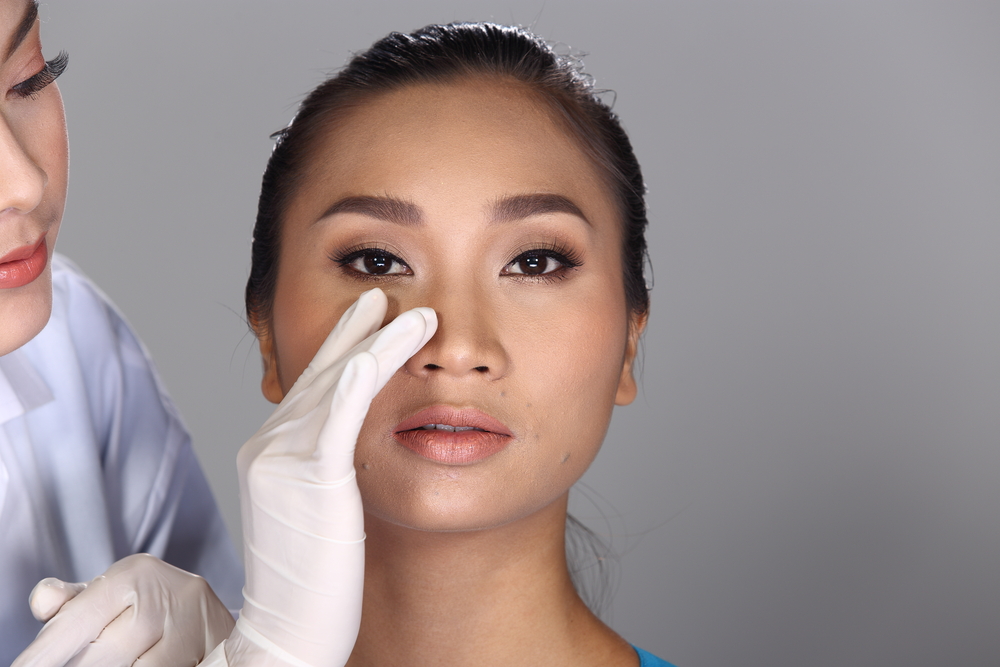
Benefits of Asian Rhinoplasty
Asian rhinoplasty offers numerous benefits that go beyond mere aesthetic improvement.
Here are some of the key advantages:
- Enhanced Facial Harmony: By addressing specific nasal issues, such as a low nasal bridge or a broad nasal tip, Asian rhinoplasty helps to create a more balanced and harmonious facial appearance.
- Preservation of Ethnic Identity: Surgeons specializing in Asian rhinoplasty are skilled in enhancing features without compromising ethnic characteristics, allowing patients to improve their appearance while maintaining their cultural identity.
- Boost in Self-Confidence: Enhancing nasal features can lead to improved self-esteem, positively affecting both personal and professional relationships.
- Functional Improvements: In some cases, Asian rhinoplasty can also address functional issues, such as breathing difficulties, by correcting structural problems within the nose.
- Minimal Scarring: With advanced surgical techniques, the procedure typically results in minimal visible scarring, as most incisions are made inside the nostrils or along natural creases.
How is Asian Rhinoplasty Performed?
Asian rhinoplasty involves various specialized techniques tailored to the unique needs of each patient.
Here is an overview of the procedure:
- Consultation and Planning: The process begins with a thorough consultation where the surgeon evaluates the patient’s nasal structure and discusses their aesthetic goals. Advanced imaging technology may be used to simulate potential outcomes.
- Anesthesia: The procedure is usually performed under general anesthesia or local anesthesia with sedation, ensuring the patient’s comfort throughout the surgery.
- Incision and Access: Depending on the desired changes, the surgeon may use either an open or closed rhinoplasty approach. In an open rhinoplasty, a small incision is made along the columella (the tissue between the nostrils), while a closed rhinoplasty involves incisions within the nostrils.
- Reshaping the Nose:
- Bridge Augmentation: Grafts or implants are used to raise and define the nasal bridge.
- Tip Refinement: Cartilage is reshaped or reinforced to create a more refined and projected nasal tip.
- Nostril Adjustments: The alar base may be reduced to narrow the nostrils and improve overall nasal width.
- Closure: Once the desired shape is achieved, the incisions are carefully closed with sutures, and the nose is typically stabilized with a splint or tape.
- Recovery: Patients are monitored during the initial recovery period, and follow-up appointments are scheduled to ensure proper healing and address any concerns.
How Much Does Asian Rhinoplasty Cost?
The cost of Asian rhinoplasty can vary widely based on several factors:
- Surgeon’s Experience: More experienced and reputable surgeons may charge higher fees for their expertise.
- Geographical Location: Costs can differ significantly depending on the region or city where the surgery is performed.
- Complexity of the Procedure: The extent of the changes required and whether the surgery is primarily cosmetic or also involves functional corrections can affect the overall cost.
- Facility Fees: Charges for the surgical facility, anesthesia, and post-operative care also contribute to the total cost.
On average, Asian rhinoplasty can range from $4,000 to $15,000. It is essential for patients to discuss all potential costs during their consultation and to be aware of any additional expenses that may arise throughout the surgical process.

Asian Rhinoplasty Frequently Asked Questions
Asian rhinoplasty is a specialized procedure designed to enhance the nasal features while preserving ethnic identity. Here are some frequently asked questions to help you better understand the process and its benefits.
Is Asian Rhinoplasty Safe?
Yes, Asian rhinoplasty is generally safe when performed by a board-certified and experienced plastic surgeon. As with any surgical procedure, there are risks involved, but these can be minimized with proper preoperative planning, advanced surgical techniques, and comprehensive aftercare. It’s essential to choose a cosmetic surgeon who specializes in Asian rhinoplasty to ensure the best possible outcomes.
Am I a Good Candidate for Asian Rhinoplasty?
A good candidate for Asian rhinoplasty typically:
- Desires to improve the appearance of their nose while maintaining their ethnic characteristics
- Has realistic expectations about the outcomes
- Is in good overall health
- Has completed facial growth (generally by late teens)
- Does not have significant medical conditions that could complicate surgery or recovery
A thorough evaluation by your surgeon will help determine if you are a suitable candidate for the procedure.
When Will I See the Final Results of My Asian Rhinoplasty?
Initial improvements can often be seen soon after surgery, but the final results typically take about 6-12 months to fully materialize. Swelling will gradually subside, and nasal contours will refine over time, revealing your new nasal shape.
Why is Ethnic Rhinoplasty Essential?
Ethnic rhinoplasty is essential for maintaining the unique characteristics that define different ethnicities while achieving the patient’s aesthetic goals. It ensures that the surgical techniques used respect and preserve ethnic features, providing results that appear natural and harmonious with the patient’s overall facial structure.
What Are the Common Mistakes Made in Asian Rhinoplasty?
Common mistakes in Asian rhinoplasty include:
- Over-reduction of the nasal bridge, which can lead to an unnatural appearance
- Excessive narrowing of the nostrils, resulting in an unrealistic look
- Failure to preserve or appropriately augment certain ethnic features, leading to a loss of ethnic identity
- Inexperience with specialized techniques required for Asian nasal structures, which can result in suboptimal outcomes or complications
Choosing the best Asian rhinoplasty surgeon who understands the nuances of Asian nasal anatomy is crucial to avoiding these common pitfalls.

Achieving Your Ideal Look with Dr. Bret Johnson
Whether you are considering Asian rhinoplasty to enhance your appearance or to address functional issues, selecting a skilled and experienced rhinoplasty surgeon in Dallas is pivotal. Dr. Bret Johnson is renowned for his expertise in ethnic rhinoplasty, ensuring tailored and aesthetically pleasing results while preserving your natural ethnic characteristics.
We also offer financing options to make your journey toward your ideal look more accessible. Contact our office today for a consultation and learn how Dr. Bret Johnson can help you achieve the beautiful, balanced nose you desire.