Body contouring has surged in popularity as a solution for sculpting and refining your physique. There are non-invasive methods like CoolSculpting or surgical procedures such as liposuction that promise to enhance your body shape and boost your confidence.
But while many are already considering these types of treatment, how long do the results really last?
Are they worth the price, or are they just for cosmetic hype? Here’s what you need to know before deciding to get one.
Understanding Body Contouring
Body contouring encompasses a range of cosmetic procedures that aim to reshape and enhance the body’s silhouette by targeting stubborn fat deposits, sagging skin, or unwanted bulges.
These procedures can be broadly classified into non-invasive treatments, like CoolSculpting and radiofrequency therapy, and surgical options, such as liposuction or tummy tucks.
Each technique works differently—non-invasive methods typically use controlled cooling, heat, or ultrasound to break down fat cells, while surgical procedures involve physically removing excess fat and skin.
The choice of method depends on various factors, including the area being treated, desired results, and individual health considerations.
What Are The Different Types Of Body Contouring Procedures?
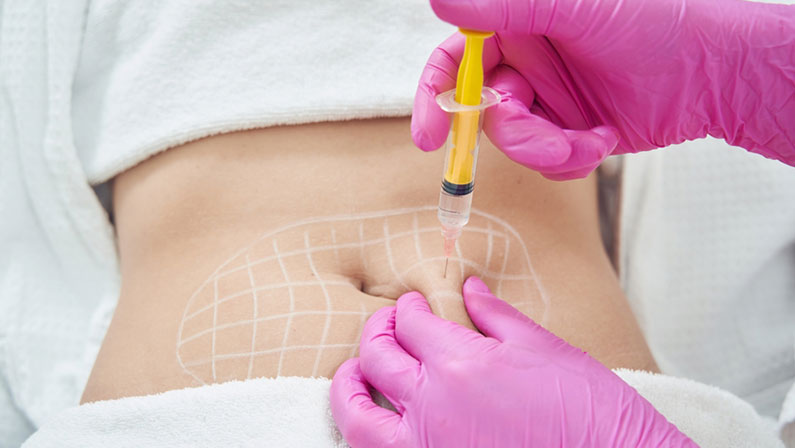
Body contouring procedures come in various forms. Each is designed to help you achieve a more defined and aesthetically pleasing physique. They range from minimally invasive to more intensive surgical options, catering to different needs, goals, and preferences.
Surgical
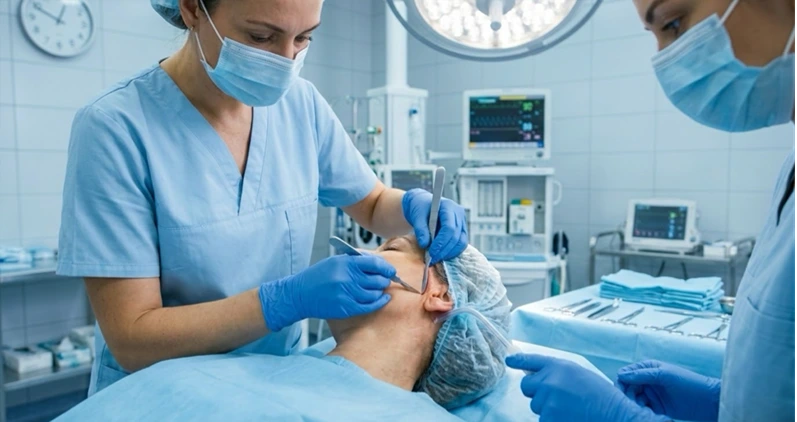
Surgical body contouring procedures are typically more intensive and involve incisions, anesthesia, and a longer recovery period. The most common surgical options include liposuction and tummy tucks.
Liposuction is designed to remove localized fat deposits that are resistant to diet and exercise, through a suction technique. It’s versatile and can be used on various parts of the body, including the abdomen, thighs, arms, and back.
Tummy tucks (abdominoplasty), on the other hand, go a step further by not only removing excess fat but also tightening loose skin and repairing weakened abdominal muscles, resulting in a firmer, smoother midsection.
Other surgical procedures, like arm lifts or thigh lifts, focus on removing excess skin and reshaping specific body areas.
While these surgeries offer body sculpting results, they require significant recovery time and carry the risks associated with invasive surgery.
Non-Surgical
For those seeking body contouring with minimal downtime and without the invasiveness of surgery, non-surgical options are highly appealing.
CoolSculpting is a popular choice that uses cryolipolysis, a process where fat cells are frozen and gradually eliminated by the body’s natural processes. This technique is effective for reducing fat in areas like the abdomen, thighs, and flanks.
Laser treatments, such as SculpSure, use controlled laser energy to heat and destroy fat cells without damaging surrounding tissues.
Similarly, radiofrequency and ultrasound treatments utilize energy to break down fat cells and tighten the skin simultaneously.
Non-surgical body contouring methods typically require multiple sessions and have a gradual, cumulative effect.
They are ideal for those looking to refine their body contours with little to no recovery time, although the results are generally subtler and less immediate than those of surgical options.
What Is the Typical Duration of Body Contouring Results?
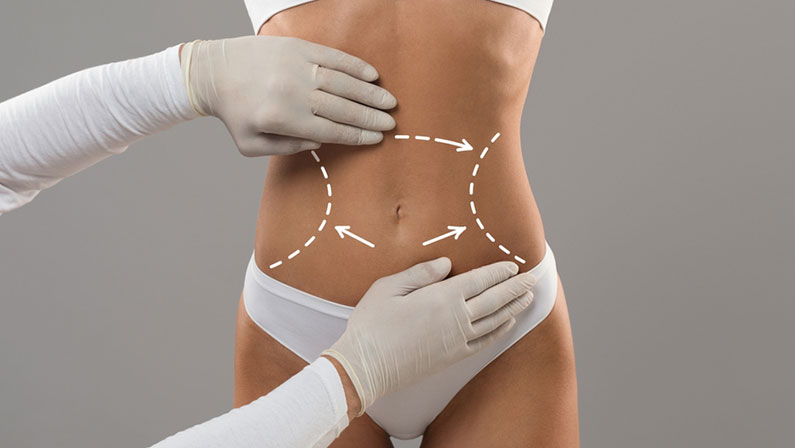
The duration of body contouring results varies widely based on the type of procedure, the patient’s lifestyle, and individual body responses. You may ask, is body contouring permanent, or does it only last for months?
For surgical methods like liposuction or tummy tucks, the results are generally long-lasting, provided that the patient maintains a stable weight and healthy lifestyle. These procedures permanently remove fat cells, meaning that the treated areas are less likely to regain fat, although remaining fat cells can still expand with significant weight gain.
Non-surgical treatments like CoolSculpting or laser therapies offer results that can last several months to a few years, but these depend heavily on maintaining a balanced diet and regular exercise. While these methods can effectively reduce fat in targeted areas, they don’t prevent new fat cells from forming if weight gain occurs.
Factors Influencing Longevity of Body Contouring Results
The lasting effects of body contouring procedures depend on various factors beyond the initial treatment. Understanding these influences can help you maintain your results for as long as possible.
- Lifestyle Choices: Maintaining a healthy diet and regular exercise routine is crucial in preserving the results, as these habits prevent significant weight gain that could alter the new contours.
- Type of Procedure: Surgical options tend to offer more permanent results since they physically remove fat cells, whereas non-surgical treatments typically require ongoing sessions to sustain their effects.
- Skin Elasticity: The skin’s ability to contract and adapt to new contours plays a vital role, with younger skin or skin with good elasticity generally providing longer-lasting results.
- Genetics and Age: Individual factors such as genetics and aging can affect how your body responds to and maintains the changes from contouring procedures, influencing how long the benefits last.
Comparing Surgical and Non-Surgical Body Contouring
Is body contouring effective? When deciding between surgical and non-surgical body contouring options, it’s essential to consider the distinct benefits and limitations of each approach. Both methods can effectively reshape your body, but they differ significantly in terms of invasiveness, recovery time, and the permanence of their results.
- Invasiveness and Recovery: Surgical procedures, like liposuction and tummy tucks, involve incisions and anesthesia, leading to a longer recovery period, while non-surgical treatments are minimally invasive with little to no downtime.
- Effectiveness and Permanence: Surgical methods often yield more dramatic and lasting results by permanently removing fat cells, whereas non-surgical treatments typically provide more subtle changes and may require maintenance sessions.
- Suitability and Risks: Surgical contouring is generally suited for those seeking significant body transformation and who are willing to accept surgical risks, while non-surgical options are ideal for those preferring gradual changes with lower risk and less recovery time.
Post-Procedure Care and Its Importance
Proper post-procedure care is crucial in ensuring the success and longevity of body contouring results. Following your doctor’s recommendations can help minimize complications, speed up recovery, and maintain the aesthetic benefits of your treatment.
- Follow-Up Appointments: Attending scheduled follow-up visits allows your doctor to monitor your healing process, address any concerns, and ensure the best outcome.
- Compression Garments: Wearing compression garments as advised can help reduce swelling, support the treated area, and improve contouring results, especially after surgical procedures.
- Hydration and Diet: Staying hydrated and maintaining a balanced diet supports the body’s natural healing processes and prevents unnecessary weight gain that could affect the results.
- Activity and Rest: Adhering to activity restrictions and gradually reintroducing exercise as guided by your doctor helps avoid complications and promotes a smoother recovery.
- Skin Care: Using prescribed or recommended skin care products can enhance healing, reduce scarring, and maintain the health and elasticity of the skin in treated areas.
- Weight Management: Long-term success of body contouring heavily relies on keeping a stable weight, as significant fluctuations can alter the results and necessitate further treatments.
How do age and genetics influence the duration of body contouring results?
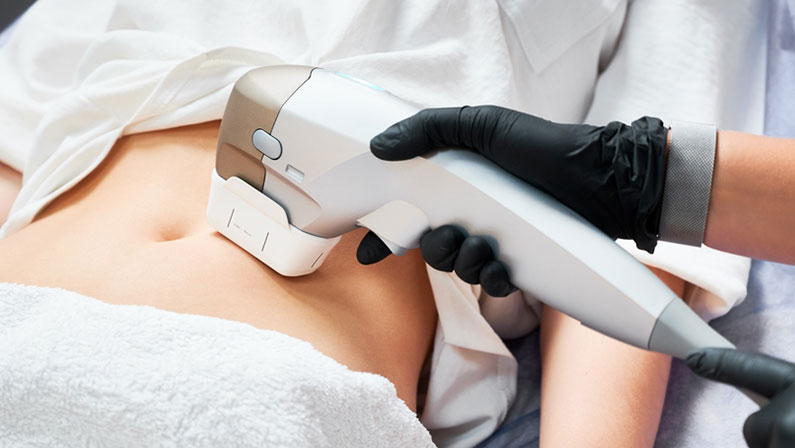
Age and genetics play pivotal roles in determining how long body contouring results will last. As we age, our skin loses elasticity, and the body’s metabolic rate decreases, which can impact how well we maintain our new contours post-procedure.
Younger individuals or those with genetically better skin elasticity typically enjoy longer-lasting and more defined results because their skin adapts more effectively to the body’s new shape. Conversely, older patients might experience quicker changes due to sagging skin and slower recovery.
Additionally, genetic predispositions to fat distribution and storage can influence how the body responds to and maintains the results from contouring procedures. Understanding these factors helps set realistic expectations and underscores the importance of maintaining a healthy lifestyle to prolong the benefits of body contouring.
How frequently should follow-up treatments be scheduled?
The frequency of follow-up treatments for body contouring depends on the type of procedure and individual goals. Surgical procedures like liposuction usually do not require regular follow-ups after the initial recovery period unless they are to manage potential complications or address additional areas.
However, non-surgical treatments such as CoolSculpting, laser therapy, or radiofrequency sessions might need to be repeated every few months to a year to maintain the desired effects, as they do not remove fat cells permanently but rather reduce their size.
Your practitioner will typically recommend a personalized follow-up plan that aligns with the specific treatment used, the areas treated, and how well your body maintains the initial results. Consistent follow-up ensures optimal outcomes and helps adjust to any changes in your body over time.
Can body contouring results be considered permanent?
Body contouring results can be long-lasting, but they are not necessarily permanent. Surgical procedures like liposuction or tummy tucks remove fat cells from the body permanently; however, if a patient gains significant weight after the procedure, remaining fat cells in treated areas can still expand, and new fat cells can form in untreated areas, potentially altering the results.
Non-surgical methods typically reduce fat cell volume rather than removing them, meaning the treated area can regain fat with weight gain, and results may gradually diminish without ongoing maintenance. Additionally, factors like aging and changes in skin elasticity can influence how long the results appear as desired.
To maximize the longevity of body contouring results, maintaining a healthy diet, regular exercise, and stable weight is crucial.
FAQs
Here are answers to some common questions about how long does body sculpting last:
Can Body Contouring Results Last a Lifetime?
While body contouring results can be long-lasting, they are not necessarily permanent. Surgical procedures like liposuction can remove fat cells permanently, but maintaining the results requires a healthy lifestyle. Non-surgical treatments typically reduce the size of fat cells rather than removing them, which means that without proper diet and exercise, the results may diminish over time.
Are There Any Guarantees for the Duration of Body Contouring Results?
There are no absolute guarantees for the duration of body contouring results, as they depend on various factors, including the type of procedure, individual body responses, and post-treatment care.
While surgical methods often provide more lasting results by removing fat cells, the permanence of any body contouring outcome is influenced by lifestyle habits, weight fluctuations, and the natural aging process.
How Can Someone Find a Qualified Provider to Ensure the Best Outcomes?
Finding a qualified provider is crucial for achieving the best outcomes from body contouring procedures. Look for board-certified plastic surgeons or dermatologists who specialize in body contouring, and review their credentials, experience, and patient testimonials.
Consultations are also vital to discuss your goals, evaluate the provider’s expertise, and ensure they have a clear, personalized plan for your treatment.
Choosing the Best Plastic Surgeon in Dallas
When considering body contouring procedures, selecting the right plastic surgeon is important to achieving your desired results safely and effectively.
Dr. Bret Johnson, a renowned expert in the field, offers exceptional care and expertise in body contouring procedures in Dallas.
With his skill and dedication, coupled with state-of-the-art facilities and personalized treatment plans, you can trust that you’re in capable hands.
Additionally, we understand the financial aspect of cosmetic procedures and offer flexible financing options to make your transformation journey more accessible.
Schedule a consultation with Dr. Johnson today to start your path to a more confident and sculpted you.